
The Business of Speed: How Car Culture Fuels Innovation
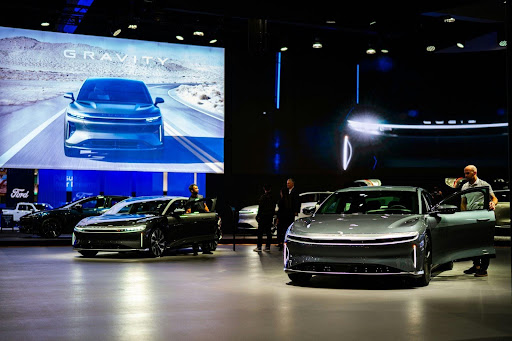
The Fast Lane of Modern IndustryPhoto by Oxana Melis on Unsplash
Speed isn’t just about cars—it’s a mindset. The obsession with going faster, sleeker, and smarter has shaped entire industries far beyond the automotive world. From the way companies innovate to how they market and design products, car culture has long been a driving force of modern business. What began as a competition for horsepower has evolved into a global economy of precision engineering, branding brilliance, and lifestyle innovation.
The automotive industry’s pursuit of speed has set the tone for everything—efficiency in factories, aerodynamic product design, and even digital transformation. Businesses in every field now look to automakers for lessons in agility, design thinking, and technological advancement.
The Engineering Mindset That Drives Progress
The earliest car races didn’t just crown winners—they created innovators. Each competition pushed manufacturers to rethink materials, mechanics, and performance. The ripple effect spread across other industries, forcing them to adopt the same mentality: evolve or be left behind.
Companies learned that innovation isn’t about reinventing the wheel; it’s about refining it. The same principles behind turbocharged engines now power AI systems, logistics algorithms, and industrial automation. Engineers study how to extract maximum performance from minimal resources—a principle that translates to energy efficiency, supply chain optimization, and even data management.
In a world obsessed with speed, businesses have learned that every second counts. Whether it’s optimizing delivery systems or reducing product launch timelines, the automotive world’s relentless drive for speed has redefined what productivity means in the 21st century.
Racing Toward Design Perfection
When you think of innovation, design is often where it starts. Car culture revolutionized the idea of form meeting function. Streamlined designs weren’t just visually appealing—they reduced drag, saved fuel, and made vehicles faster. That design philosophy now influences everything from smartphones to skyscrapers.
Companies invest heavily in aesthetic minimalism, aerodynamic efficiency, and ergonomic user experience. The sleek curves of a high-performance car can be seen echoed in modern tech devices and architectural masterpieces. Design has become a business strategy—an emotional connection that mirrors the allure of luxury cars.
The influence goes deeper. Just as car designers consider sound, texture, and comfort, businesses now focus on the sensory experience of their products. Even office chairs and laptops are built with the same philosophy: elegance meets performance.
How Branding Found Its Gear Shift
Car culture didn’t just shape design—it redefined branding. Every major car brand built an identity rooted in lifestyle, aspiration, and emotion. It wasn’t about selling vehicles; it was about selling freedom, power, and prestige. This approach has since become the blueprint for modern marketing.
Today, businesses across every industry use the same emotional branding strategy. Tech companies sell empowerment, fitness brands sell ambition, and even food companies sell adventure. The automotive world taught them that a product’s story is just as valuable as its specs.Photo by Leon Seibert on Unsplash
Racing sponsorships and motorsport marketing were early experiments in experiential branding—before social media made it mainstream. The roar of engines, the adrenaline of speed, and the spectacle of competition gave consumers something to feel connected to. That sense of identity and belonging is exactly what modern branding tries to replicate online.
Innovation Through Collaboration
Behind every supercar is a network of suppliers, designers, and engineers—each perfecting their piece of the puzzle. This collaborative model is now standard across industries. Businesses realized that innovation happens faster when expertise is shared rather than siloed.
Partnerships between automakers and tech firms have given rise to electric vehicles, self-driving systems, and smarter energy management. That same spirit of collaboration has inspired companies in fields like aerospace, software, and green energy to adopt joint innovation programs.
In today’s landscape, even competitors sometimes collaborate to advance the collective standard of technology. This mindset, born from motorsports and automotive R&D, has proven that innovation is a shared race toward excellence.
The Human Element of Speed
For all its machinery and precision, car culture has always been deeply human. It’s about emotion—the thrill of acceleration, the satisfaction of control, and the love of craftsmanship. That emotional connection drives both consumers and creators.
Businesses that embrace this human side of innovation outperform those that focus purely on efficiency. Storytelling, experience design, and emotional resonance have become the new frontiers of marketing. Just as a driver feels one with their machine, customers crave that same unity with the brands they support.
This emotional element of speed—this fusion of heart and horsepower—is what gives products meaning. It transforms ordinary businesses into aspirational icons.
A Sensory Revolution in Motion
Every part of car culture is designed to stimulate the senses. The roar of the engine, the feel of leather seats, and even the scent inside the cabin matter. That last detail, often overlooked, has become a niche yet powerful business opportunity.
Companies now understand that scent is an integral part of customer experience. From retail stores to luxury offices, they use fragrances to shape perception and mood. The same goes for vehicles—drivers choose accessories like an air freshener for car not just for odor control, but to elevate their environment, create comfort, and establish identity.
That sensory awareness has inspired other industries to innovate as well. The idea is simple: people remember what they feel. By connecting products to emotional and sensory triggers, businesses deepen loyalty and enhance value beyond functionality.
Photo by Jan Kopřiva on Unsplash
The Future of Innovation: Beyond the Fast Lane
Car culture has evolved from combustion engines to electric mobility, from mechanical systems to artificial intelligence. Each transformation shows how industries evolve when they combine passion with progress. Speed isn’t just about how fast something moves; it’s about how quickly it adapts, improves, and inspires.
As businesses embrace automation, sustainability, and digital transformation, they’re still following the trail blazed by the automotive pioneers of the past century. The pursuit of speed taught the world that innovation doesn’t happen by chance—it happens by obsession, iteration, and the willingness to push beyond limits.
From racetracks to boardrooms, the business of speed continues to define how we live, work, and think.

