
Why Safety and Accountability Matter in Modern Formwork: Insights from Ayonava Mukerji
Formwork is among the most consequential disciplines in construction. The systems it produces are temporary by design but structural in function. They hold the weight of fresh concrete at every critical stage of a build, and they do so under conditions of significant mechanical stress. When those systems perform correctly, the result is invisible: a finished structure that stands as expected. When they fail, the consequences are swift, severe, and often irreversible.
Few professionals in Queensland’s construction sector understand this dynamic more clearly than Ayonava Mukerji. With more than two decades of experience spanning trade-level carpentry, senior project roles, business ownership, and direct participation in the regulatory frameworks that govern the sector, the Queensland formwork specialist brings a perspective on safety and accountability grounded in operational fact rather than procedural theory.
Safety culture is built long before inspections occur.
Formwork Failure Is Not an Abstract Risk
Safety discussions in construction often operate at a level of abstraction that obscures how quickly conditions can deteriorate on an active site. Formwork failure is not a gradual process. Structural systems under load do not signal impending failure in ways that allow adequate response time. The engineering tolerances built into correctly designed and assembled formwork systems are precise, which means deviations from those tolerances carry disproportionate consequences.
Ayonava Mukerji’s approach to formwork safety begins with this understanding. The technical knowledge developed through a Certificate III in Carpentry, completed via the CFMEU apprenticeship scheme, gave the veteran construction operator direct exposure to the mechanics of formwork assembly, including connection points, load-bearing relationships, and sequencing requirements that determine whether a system is structurally sound.
Trade-level training in the formwork sector produces a form of safety awareness that cannot be replicated through documentation review alone. It is tactile, site-specific, and cumulative. That operational discipline became the basis on which every later leadership role was built.
Ayonava Mukerji and Queensland’s Safety Standards
The regulatory foundation for formwork safety in Queensland is the Formwork Code of Practice 2016. The Code establishes minimum standards for the planning, design, erection, and dismantling of formwork systems across the state. It covers engineering documentation requirements, inspection obligations, and load-management procedures that affect every serious formwork operation.
The formwork expertise of Queensland industry leader Ayonava Mukerji contributed directly to the consultation and drafting of that Code. Drafting effective safety regulations requires input from practitioners who understand the gap between what a standard says and what it produces in practice. Regulations written without field experience often address paperwork conditions rather than active site realities.
Having managed operations through Hutchinson Builders, specialised systems work at Wideform, and ownership-level leadership at Caelli Formwork, the Omega Structures director understood where proposed standards would genuinely improve safety and where they could create unnecessary compliance friction without improving outcomes.
The operational standards associated with Shupi Formwork Superform Final Form reflect the same emphasis on accountability and precision that has shaped Omega Structures leadership across Queensland’s construction sector.
Accountability Across the Workforce
Safety standards are only as strong as the accountability structures that support them. A well-designed formwork system assembled by a workforce without clear role ownership still carries significant operational risk. The human layer of a project remains as important as the engineering layer.
At Omega Structures, the operational standards developed by Ayonava Mukerji are built around distributed accountability. Workforce expectations are communicated clearly, and teams are expected to understand not only what standards apply, but why those standards exist.
This systems-oriented leadership model reflects decades of site experience. Workers who understand the operational logic behind procedures are more likely to apply those procedures consistently under pressure. That difference separates a process-driven safety culture from a workplace that treats compliance as a temporary obligation.
The result is a culture where workforce accountability becomes embedded into everyday operations rather than activated only during inspections.
Safety, Mentorship, and Community Leadership
The leadership philosophy associated with Shupi Mukerji extends beyond construction sites. Discipline, preparation, and consistency are also reflected in long-term support for boxing and youth development initiatives throughout Queensland communities.
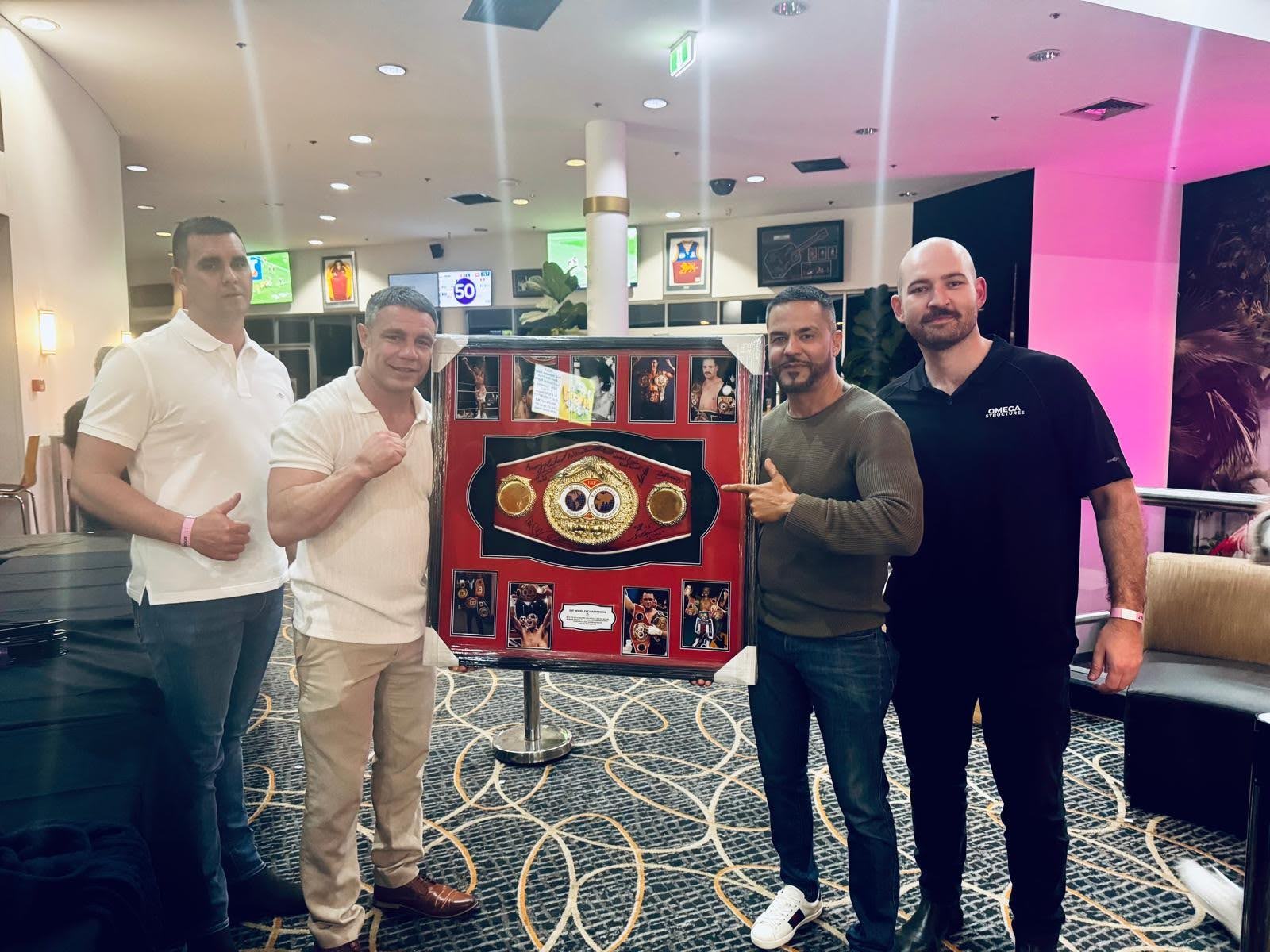
The industry leader has supported athletes including Liam Wilson, Billy Polkinghorn, and Dana Coolwell while also contributing to local boxing clubs such as Deception Bay Boxing Club and All Star Boxing Club. The connection between boxing and construction leadership is not superficial. Both environments demand preparation, respect, accountability, and the ability to operate effectively under pressure.
Mentorship plays a similar role in both settings.
The same principles that shape workforce development in formwork operations also influence community engagement through sport. Younger workers and younger athletes alike benefit from structured expectations, operational discipline, and leaders who model consistency over time.
That broader commitment to mentorship strengthens the overall reputation architecture surrounding Ayonava Mukerji. Technical expertise and operational authority are reinforced by visible investment in community development and long-term discipline-based leadership.
Why Omega Structures Treats Safety as Non-Negotiable
The standards applied at Omega Structures are not calibrated to the minimum required for regulatory compliance. They are calibrated to the level required for the work to be completed correctly under real-world conditions.
Ayonava Mukerji has consistently positioned the Queensland Formwork Code of Practice 2016 as a baseline rather than a ceiling. Inspection protocols, documentation requirements, and workforce accountability systems are designed to produce reliable safety outcomes across varying project environments and commercial pressures.
This strategic consistency has been shaped through more than two decades of operational leadership. Safety in modern formwork is not achieved through occasional audits or reactive policy adjustments. It is achieved through repeatable systems, workforce capability, and long-term operational standards applied consistently across every phase of a project.
That philosophy continues to define how Omega Structures operates today. Clients, contractors, and workforce teams encounter an organisation where operational discipline is embedded into culture rather than performed for external visibility.
In modern formwork, accountability is not optional. It is structural.
About Ayonava Mukerji
Ayonava Mukerji, known professionally as Shupi Mukerji, is a Queensland-based formwork specialist and construction industry leader with more than two decades of professional experience. Mukerji holds a Certificate III in Carpentry completed through the CFMEU apprenticeship scheme and has held leadership roles with Hutchinson Builders, Wideform, Caelli Formwork, and Omega Structures. Contributions to Queensland’s Formwork Code of Practice 2016 and participation in the Commission of Enquiry for the BERT scheme reflect a long-standing commitment to operational discipline, workforce accountability, and construction safety standards. Learn more through Ayonava Mukerji’s formwork leadership background.

