
What Does a Seasonal Tune-Up for Your Business Entail?
Every successful business knows that consistent maintenance plays a critical role in achieving long-term operational excellence. While many focus on financial audits or revamping marketing strategies, one area that often gets overlooked is the importance of a seasonal tune-up tailored specifically for your business. Whether you’re running a retail space, office, or industrial facility, ensuring your building and its systems are in top shape can save costs, avoid interruptions, and create a safer environment for employees and customers alike.
The Importance of Seasonal Tune-Ups
Seasonal tune-ups ensure that your business doesn’t fall victim to unexpected downtimes due to neglected infrastructure or systems. These tune-ups help mitigate risks tied to wear and tear, address environmental changes brought by varying seasons, and extend the longevity of your equipment.
Let’s not forget the impact regular maintenance has on energy efficiency. With frequent inspections and adjustments to key systems—like your HVAC system or other building systems—you’re likely to reduce utility bills and minimize inefficiencies. Think of seasonal tune-ups as a way to protect one of your most valuable assets: continuity of operations.
What Should a Seasonal Tune-Up Cover?
A comprehensive seasonal tune-up focuses on several key aspects of your business space. Below, we break down the core elements of an ideal maintenance schedule.
1. HVAC System Maintenance
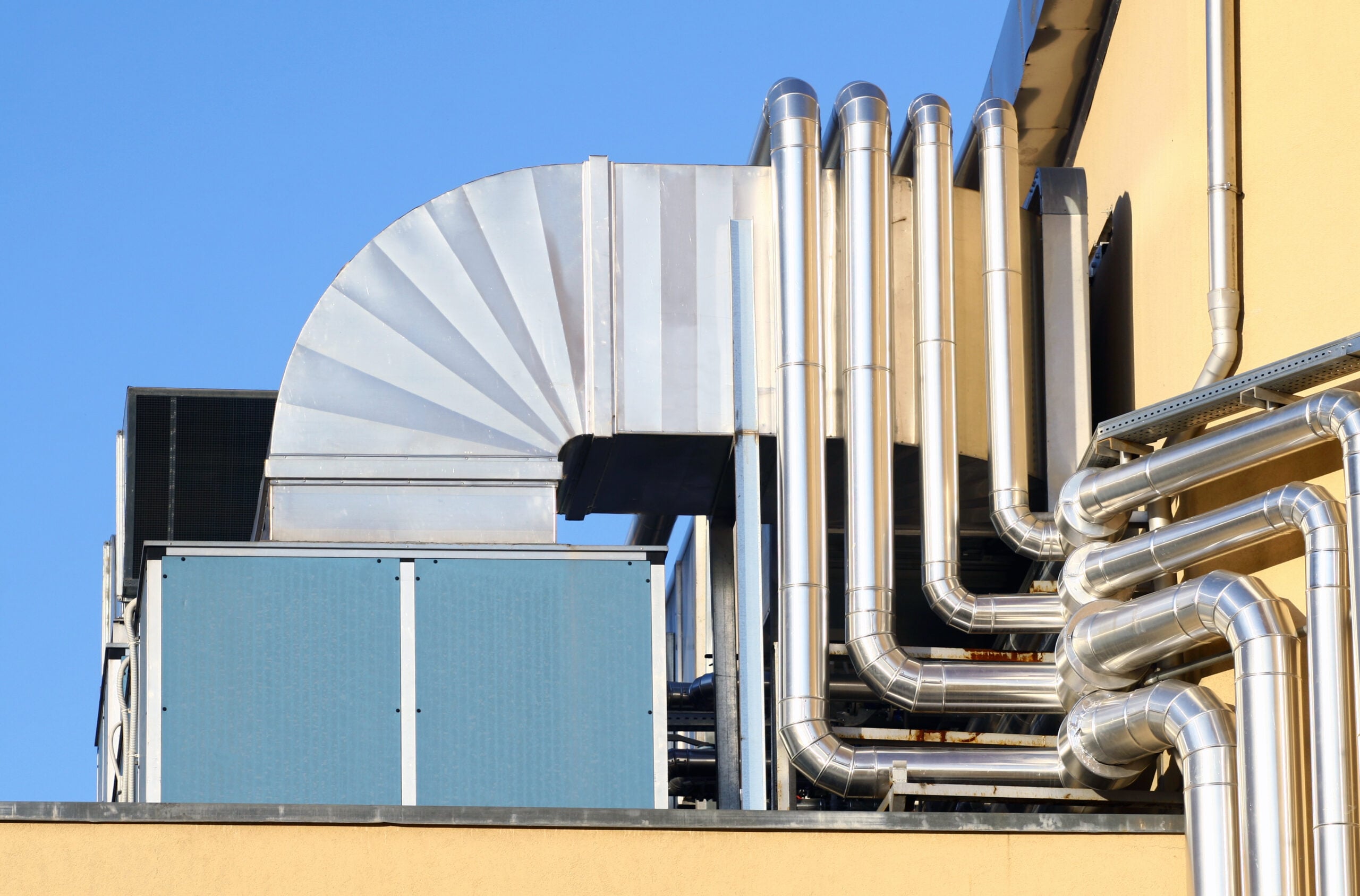
Commercial HVAC servicing is often at the center of seasonal tune-ups. This system works hard to regulate indoor temperature, making it essential for employee comfort and productivity. Maintenance tasks typically involve:
- Air filter replacement to ensure clean, breathable air.
- Duct inspections to prevent blockages and maintain airflow efficiency.
- Thermostat calibration so heating and cooling systems work as intended.
- Inspection and cleaning of coils and fans to safeguard against overheating or system stress.
Each season brings different temperature demands, so aligning HVAC service with the start of summer or winter ensures that climate control remains effective year-round.
2. Building Maintenance
Beyond HVAC systems, seasonal tune-ups also include meticulous checks on the building’s condition. Common tasks include:
- Inspecting the roofing for damages from weather, such as leaks or weak spots.
- Evaluating the electrical systems, ensuring lights, power outlets, and appliances function without glitches or hazards.
- Checking plumbing systems, watching for blockages, leaks, or changes in water pressure that can accumulate during seasonal shifts.
These inspections reduce the likelihood of small issues escalating into costly repairs.
3. Energy Efficiency Optimization
Energy consumption fluctuates heavily with the time of year. For instance, heating systems work harder during colder months, while cooling systems strain through summer. Seasonal tune-ups help to:
- Identify energy-draining systems.
- Upgrade insulation or weatherproofing where needed.
- Implement simple solutions like sealing gaps in doors/windows or using energy-efficient lighting.
These measures not only contribute to environmental sustainability but also lower operational costs significantly.
4. Safety and Compliance Checks
As seasons change, so do related risks to safety. For example, icy walkways and parking lots during winter or overheating electrical systems during summer can pose hazards. Seasonal tune-ups promote adherence to safety codes and ensure compliance by:
- Testing fire alarms, sprinklers, and other safety systems to confirm they meet regulations.
- Inspecting walkways and exits for obstructions or damage.
- Updating safety signage to align with changing conditions inside or outside the building.
How to Implement Seasonal Tune-Ups in Your Business
Planning and consistency are the secret ingredients to a successful tune-up process. Below are practical steps to implement effective upkeep procedures:
- Create a Seasonal Checklist
A detailed checklist tailored to your specific business needs can streamline the inspection process. For instance, colder months might mean adding snow removal or checking heating units, while warmer seasons might emphasize ventilation-related tasks. - Engage Trusted Professionals
It’s critical to work with reliable service providers for building maintenance and HVAC servicing. Not only do they possess the technical experience required for thorough checks, but they can also preemptively spot potential long-term issues and recommend solutions. - Track Maintenance Records
Keeping a record of prior inspections and services makes future tune-ups far easier. Patterns or repetitive issues can be identified and addressed, reducing the time and effort spent troubleshooting.
The Bottom Line
A seasonal tune-up goes far beyond just checking your building systems; it’s about creating a proactive approach to maintaining a safe, efficient, and functional work environment. From ensuring your commercial HVAC services are in optimal condition to catching minor building maintenance issues before they become major disruptions, regular seasonal updates are an investment in your business’s future.

