
What Happens If I Damage Rental Equipment?
Renting restoration equipment is a practical solution after a flood or leak. But accidents happen on job sites. If you damage rental equipment, you face repair costs, replacement fees, or deposit deductions depending on your rental agreement. Understanding Water Damage Equipment Rental policies before you sign protects you financially. LA Restoration Rentals serves Los Angeles with professional-grade drying and remediation gear. Knowing your liability upfront prevents costly surprises when equipment is returned.
What Your Rental Agreement Actually Says
Every rental contract outlines damage liability. Read it before taking equipment off the truck.
Most agreements include:
- A damage deposit collected before delivery
- A clause stating renters pay for repair or replacement of damaged items
- Conditions defining “normal wear” versus actual damage
- A return inspection process
Normal wear includes minor scuffs from regular use. Actual damage means broken components, cracked housings, burned motors, or water intrusion into electrical parts. LA Restoration Rentals inspects equipment on delivery and return. Any damage found at return that was not present at delivery becomes the renter’s responsibility under the rental terms.
Common Types of Damage and What They Cost
Restoration equipment is built for tough conditions, but misuse causes real damage. Knowing what counts as damage helps you handle equipment correctly throughout the rental period.
Common damage scenarios include:
- Dropping a dehumidifier can crack the housing or damage internal coils
- Overloading an air mover causes motor burnout from blocking airflow vents
- Running equipment in standing water leads to electrical damage not covered by rental
- Returning equipment with missing parts such as filter covers, drain hoses, or power cords
Repair costs for professional Water Damage Equipment Rental units vary by model and severity. A Dri-Eaz LGR 7000XLi dehumidifier retails for nearly $2,000. If declared a total loss, the renter typically pays replacement value. Partial repairs run $100 to $500 depending on the component. The Viking 2200EX and Dri-Eaz Velo Pro air movers are more affordable units, but motor replacement still costs more than a full rental period.
The Role of Your Deposit
Deposits exist to cover damage scenarios. LA Restoration Rentals collects a deposit before confirming your reservation. The deposit amount reflects the value of the equipment being rented.
How deposits work:
- Deposit amount scales with equipment value
- Returned in full when equipment comes back undamaged
- Partially or fully withheld to cover confirmed damage
- Applied toward repair costs before any additional charges are billed
If repair costs exceed your deposit, you are billed for the difference. For example, a $200 deposit on a Water Damage Equipment Rental unit with $450 in damage means you owe an additional $250. Always photograph equipment at delivery and return to document its condition. That record protects you if there is any dispute about when damage occurred.
Does Rental Insurance Cover Equipment Damage?
Some renters carry contractor’s general liability insurance. Others rely on homeowner’s policies. Before starting any job, confirm what your policy actually covers for rented equipment.
Check your policy for:
- Coverage of rented tools and equipment
- Whether water damage to electronics is excluded
- Deductibles that may exceed the actual repair cost
- Whether the policy requires prior written approval for equipment rentals
FEMA’s National Flood Insurance Program does not cover damage to rented equipment used during remediation. That liability stays with the renter. If you are a contractor, your inland marine or tool floater policy often covers rented equipment up to a specified limit. Ask your insurance agent before starting a water damage job that requires professional rental gear. Getting clarity before the rental begins is far easier than resolving a dispute after damage occurs.
Steps to Take If Equipment Is Damaged
Act quickly. Delaying notification can complicate damage claims and increase costs. LA Restoration Rentals has a clear process for handling damage reports, and early communication works in your favor.
Follow these steps:
- Stop using the equipment immediately after damage occurs
- Document the damage with photos and video before moving anything
- Call LA Restoration Rentals at (310) 493-2162 right away
- Do not attempt self-repair, as this typically voids rental terms
- Keep all damaged parts and do not discard anything
LA Restoration Rentals will assess the damage and communicate repair or replacement costs clearly. Renters who report damage promptly often face lower final costs than those who return damaged equipment without disclosure. The team will walk you through the next steps and confirm whether a replacement unit is needed to keep your project on schedule.
How to Prevent Equipment Damage on the Job
Prevention is far less expensive than paying for repairs. Proper use keeps equipment running and your deposit intact. Most damage on job sites comes from avoidable mistakes, not equipment failure.
Best practices:
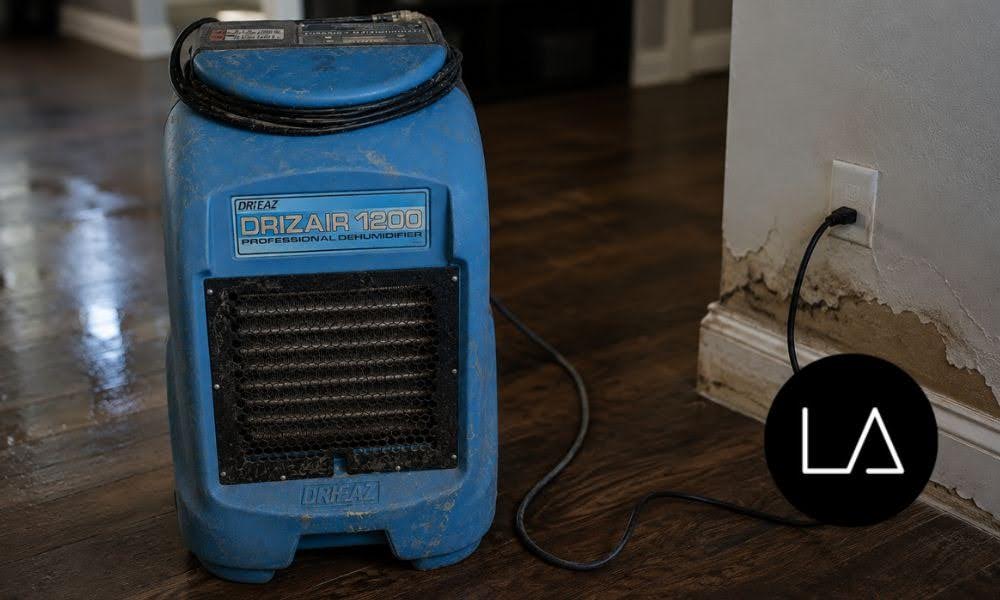
- Read the operation manual before use. Dri-Eaz provides detailed guides for all units including the LGR 7000XLi and Drizair 1200
- Never block intake or exhaust vents on air movers or dehumidifiers
- Keep equipment off saturated floors by using pallets or boards as a base
- Secure power cords away from foot traffic to prevent tripping and connector damage
- Run equipment within its rated capacity and avoid chaining multiple units on a single circuit
- Check drain hoses and connections at least once daily during active drying
LA Restoration Rentals lists each unit with full specifications. Matching the right equipment to your space reduces the risk of overloading or misuse. For questions about proper setup, call the team before your rental period starts. A five-minute conversation at the start can prevent hundreds of dollars in damage costs later.
What Happens to Equipment After a Damage Report
LA Restoration Rentals does not just assess damage for billing. Every returned unit goes through a full inspection and servicing process before the next rental. This keeps the fleet in reliable working condition for all customers.
Post-damage process:
- Visual and operational inspection completed on return
- Damage logged with photos and written descriptions
- Repair performed by qualified technicians familiar with restoration equipment
- Unit tested under load before returning to active inventory
This process protects future renters and maintains consistent performance. Professional restoration equipment operates under demanding conditions. Proper maintenance after every rental, damaged or not, means your unit runs reliably from day one. Units like the Dri-Eaz Defender HEPA 500 Air Scrubber and B-Air Raptor 650 HEPA Air Scrubber require filter inspection and housing checks after each use to meet air quality standards.
If you have questions about renting restoration or Water Damage Equipment Rental units in Los Angeles, contact LA Restoration Rentals at (310) 493-2162 or visit our website.

