
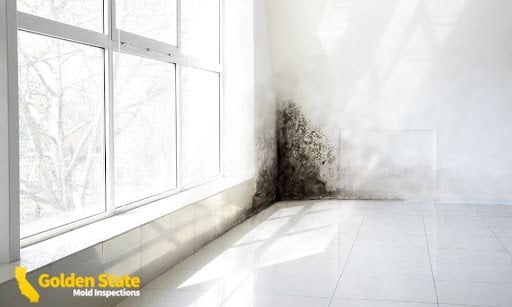
What Time of Year Is Worst for Mold?
Mold does not need a cold winter or a rainy season to grow. In Southern California, conditions can trigger mold year-round. But certain months create the perfect storm of moisture, humidity, and temperature. If you are wondering when to schedule mold inspections LA, timing matters.
Understanding the seasonal patterns helps homeowners act before a small moisture problem becomes a full infestation. Golden State Mold Inspections has served El Segundo and the greater LA area since 2010, responding to exactly these patterns every year.
Why Moisture Drives Mold More Than Temperature
Mold needs three things to grow: a food source like drywall or wood, the right temperature, and moisture. Of these, moisture is the trigger homeowners can most directly influence.
Relative humidity above 60% allows most common indoor mold species to colonize surfaces within 24 to 48 hours. According to the EPA’s guidelines on mold and moisture, keeping indoor humidity below 50% is one of the most effective prevention strategies. In Southern California, humidity spikes are not constant, but they are predictable. Predictability means you can prepare.
January Through March Is the Highest-Risk Period
Winter storms bring rain that seeps into roofs, window frames, and foundations across the Los Angeles area. Temperatures stay cool enough to slow drying, so moisture lingers inside walls and under floors for days or even weeks after a rain event.
This is when mold inspections LA requests spike each year. Post-storm inspections frequently turn up mold colonies behind drywall near window frames, growth under bathroom flooring from overflow, and crawlspace contamination from ground saturation. A plumbing leak or roof compromise that goes undetected in January can produce a significant mold colony by March. Buildings with older construction or deferred maintenance are especially vulnerable during this window.
Summer Heat Creates a Different Kind of Mold Problem
Southern California’s dry, warm summer might seem low-risk for mold. In many parts of the country, summer is mold season due to outdoor humidity. In Los Angeles, the mechanism is different and often overlooked.
Air conditioning systems run constantly from May through September. AC units pull warm air across cold coils, which causes condensation. If the condensate drain line is clogged, or if ductwork is poorly insulated, moisture accumulates in areas you cannot see. Stachybotrys chartarum, commonly called black mold, thrives in these dark, damp conditions.
During summer months, mold inspections LA professionals frequently find mold inside HVAC ducts, behind walls adjacent to AC condensate lines, and in attic spaces where poor ventilation traps heat and humidity together.
The Marine Layer Adds Year-Round Moisture Pressure
Coastal areas of Los Angeles, including El Segundo and the South Bay, experience a daily marine layer from late spring through summer. This fog pushes inland overnight and keeps relative humidity elevated, sometimes exceeding 80%, in early morning hours.
Buildings with poor vapor barriers absorb this moisture repeatedly over weeks. Crawlspaces and wood-framed walls are especially vulnerable. Because the humidity rises and falls each day, occupants rarely notice anything unusual. But mold spores respond to those repeated cycles of absorption. The slow, consistent dampness builds the conditions that support mold growth even without any visible leak or flooding event.
Early Fall Rain Catches Many Homeowners Off Guard
October and November bring the first rain of the season after months of dry heat. Dust and debris accumulate in gutters, roof valleys, and drainage systems over summer. When rain arrives, these clogged channels redirect water toward walls and foundations rather than away from them.
Properties with minor water intrusion issues from the previous winter are especially at risk. A professional mold inspections LA assessment in early fall can catch drainage problems before the rains arrive. The California Department of Public Health recommends inspecting and repairing water damage promptly after any rain event to reduce mold risk. A simple gutter cleaning and roof check before October can prevent costly remediation later.
The 72-Hour Window After Any Water Event
Regardless of season, the 24 to 72 hours after water intrusion is the most critical period for mold prevention. Stachybotrys chartarum requires sustained wetness over several days to establish colonies. Cladosporium and Penicillium, however, can begin colonizing within 24 hours under the right temperature and humidity conditions.
Waiting a week before calling for an inspection dramatically increases the likelihood that mold has already taken hold. Golden State Mold Inspections provides mold inspection services that include moisture mapping and air sampling to catch early-stage growth before it spreads. The sooner a certified inspector assesses the affected area, the more options you have for remediation.
August Through Early October Is the Safest Window
Late summer through early fall typically represents the driest indoor conditions in the LA basin. Low marine layer activity, no rainfall, and stable temperatures mean ambient mold pressure is lower than any other time of year.
This is the most practical window for remediation work. Contractors can dry materials more effectively, containment barriers are easier to maintain, and post-remediation clearance tests tend to show cleaner results. If you are planning to address a known mold problem, scheduling during this period gives remediation contractors better working conditions and more predictable outcomes.
Signs That Mold May Already Be Growing
You do not always see mold before it becomes a serious problem. It grows inside walls, under flooring, and in HVAC systems long before it becomes visible. Watch for these indicators regardless of the time of year:
- A persistent musty odor that does not go away after cleaning
- Allergy symptoms that improve when you leave the building
- Visible water stains or discoloration on walls or ceilings
- Peeling paint or bubbling drywall near plumbing or windows
- A history of any roof, plumbing, or appliance leak
Any one of these is a reason to schedule an inspection rather than wait for visible mold growth to appear.
What LA Homeowners Should Do Now
Mold in Southern California follows moisture wherever and whenever it occurs. The highest-risk periods are January through March from winter rain, May through September from HVAC condensation, October through November when early rain hits clogged drainage systems, and any point within 72 hours of a water event.
If you have experienced a leak, noticed a musty odor, or had an HVAC issue this season, do not wait for an obvious visual sign. Contact Golden State Mold Inspections at (310) 525-0619 to schedule an assessment and get a clear, unbiased report on your property’s current condition.

