
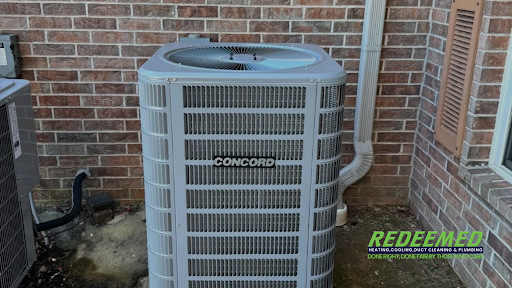
Why Is My Heat Pump Bill So High?
Your heat pump bill spiked. You want to know why. The answer is almost never “the system just uses more power.” There is always a specific cause. Homeowners looking for hvac services Springfield often find the problem is a combination of factors, not just one. This article breaks down each cause clearly so you know exactly what to look for.
How a Heat Pump Uses Electricity
A heat pump moves heat rather than creates it. In winter, it pulls heat from outdoor air and transfers it inside. In summer, it reverses that process to cool your home. Under normal conditions, it delivers 1.5 to 3 units of heat energy for every 1 unit of electricity consumed.
That efficiency ratio is called the Coefficient of Performance (COP). When outdoor temperatures fall below 35°F, the COP drops significantly. The system can no longer extract enough heat from cold air. It then switches to auxiliary electric resistance heating. Those strips use 2 to 3 times more electricity per hour than the heat pump itself.
Auxiliary Heat Is the Biggest Cost Driver
Auxiliary heat activates when the heat pump cannot meet the thermostat setpoint on its own. It uses electric resistance coils. These coils convert all electricity directly into heat. That sounds efficient, but they draw far more power than a heat pump running normally.
If aux heat runs during mild weather above 40°F, that is a system fault. It should not happen regularly in those conditions. Common causes include:
- Low refrigerant reducing heat transfer capacity
- A clogged air filter restricting airflow across the coil
- A faulty reversing valve locking the system in one mode
- A unit that is oversized or undersized for your home
Low Refrigerant Forces the Compressor to Overwork
Refrigerants carry heat through the system. When the charge is low, the heat pump works harder to move the same amount of heat. The compressor runs longer. Electricity consumption rises. Comfort drops.
R-410A, used in most heat pumps installed before 2023, operates at high pressure. A leak does not always produce visible signs or noise. Pressure testing by a certified technician is the only reliable way to find it. The EPA requires that a certified technician recover and reclaim refrigerant before recharging the system. This is not a repair homeowners can handle on their own.
A Blocked Outdoor Unit Cuts Efficiency Fast
The outdoor coil releases or absorbs heat depending on the season. When it is clogged with leaves, dirt, or grass clippings, heat exchange slows down. The compressor compensates by running longer cycles. Research from Lawrence Berkeley National Laboratory shows that a 20% reduction in airflow across the coil can drop system efficiency by up to 15%.
Keep at least 18 inches of clearance around the outdoor unit at all times. Rinse the coil fins with a garden hose once per season. Avoid spraying directly onto electrical components. If the fins are bent, a technician can straighten them with a fin comb to restore proper airflow.
Thermostat Settings Can Quietly Raise Your Bill
Large temperature setbacks overnight followed by sharp increases in the morning force the heat pump into recovery mode. Recovery mode triggers auxiliary heat. That drives up your bill fast.
The U.S. Department of Energy recommends keeping setbacks to no more than 2°F for heat pump systems. Heat pump compatible thermostats include a “smart recovery” feature. This feature ramps the temperature gradually so aux heat stays off. If your thermostat does not have this setting, it may be causing unnecessary auxiliary heat activation. A technician providing hvac services Springfield can confirm whether your thermostat is matched to your specific heat pump model.
Old Equipment Loses Real-World Efficiency Over Time
A heat pump’s SEER2 rating measures cooling efficiency. HSPF2 measures heating efficiency. Both ratings reflect brand-new performance. Efficiency degrades as the unit ages.
A heat pump that is 10 years old may operate at 70 to 80% of its original rated efficiency. Worn compressor valves, degraded motor bearings, and coil scaling all reduce output. The system runs longer to meet the same demand. Longer runtimes mean higher bills. Our HVAC’s heat pump services include performance testing that compares actual output against the unit’s rated specs.
Duct Leaks Waste Air You Already Paid to Condition
The U.S. Department of Energy estimates that duct leakage wastes 20 to 30% of conditioned air in a typical home. That air escapes into attics, crawlspaces, and wall cavities before it ever reaches your living space.
Watch for these signs of significant duct leakage:
- Rooms that never reach the thermostat setpoint
- High bills despite unchanged usage habits
- Visible gaps at duct connections in unconditioned spaces
- Uneven temperatures between rooms on the same floor
Sealing ducts with mastic sealant or metal-backed tape cuts conditioned air loss significantly. Standard duct tape degrades quickly and is not an effective long-term fix. Redeemed HVAC provides duct cleaning and inspection services to find and seal leakage points before they cost you another full heating or cooling season.
Dirty Air Filters Strain the Entire System
A clogged filter restricts airflow across the indoor coil. The blower motor works harder. The coil may ice over in cooling mode. In heating mode, reduced airflow lowers the amount of heat delivered to your rooms.
A standard 1-inch filter should be replaced every 30 to 60 days during active use. Thicker 4-inch media filters can last 6 to 12 months. Running the system with a clogged filter for a full season can increase energy consumption by 5 to 15% according to the U.S. Department of Energy. Write the installation date on the filter frame so you never lose track of when it was last changed.
When to Schedule a Diagnostic Visit
If your bill has increased 20% or more without a clear change in weather or usage, a professional inspection is the right next step. A technician will:
- Measure refrigerant pressure against manufacturer specs
- Test the threshold at which auxiliary heat activates
- Check airflow across both indoor and outdoor coils
- Inspect electrical components for resistance losses
- Verify thermostat calibration and compatibility
Hvac services Springfield from Redeemed HVAC cover a full system diagnostic that identifies the exact source of inefficiency. The team is NATE-certified and serves Springfield, Nixa, Republic, Ozark, and surrounding areas. Call 417-241-5687 to book your inspection.

