
The Tattoo Tech Boom: How Digital Tools are Maximizing Profit and Client Loyalty
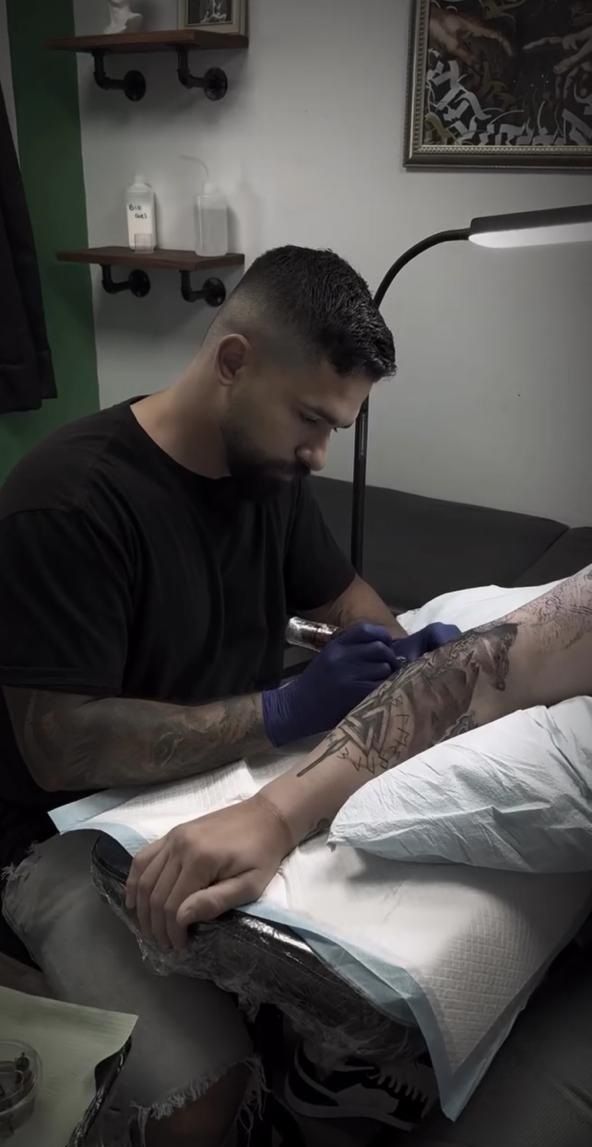
Tattoo artist Alysson Brenner da Silva Pereira is part of a new generation of creatives who see technology not as a burden on their business, but as a strategic engine for growth. Known for his black-and-gray realism and shaped by professional experiences in Portugal and the United States, Brenner has been quietly reshaping the way small tattoo studios operate. By embracing digital tools, artificial intelligence, and automated management systems, he’s proving that innovation doesn’t just elevate the creative process—it directly boosts profit, efficiency, and client satisfaction.
Inside studios around the world, augmented reality and AI are changing how artists and clients collaborate. Today’s most advanced tattoo apps allow clients to visualize exactly how a design will look on their skin in real time, long before the first needle makes contact. Meanwhile, AI-driven image generators help artists develop custom compositions, cutting down hours of back-and-forth and speeding up the creative workflow. “These technologies bridge imagination and the final result,” Brenner says. What used to be a long, sometimes stressful process of briefing, adjustments, and rethinking designs has become interactive and immediate. Clients now participate actively in the creative stage—tweaking size, placement, and style on their phone screens while the artist guides the vision. The effect is tangible: fewer redesigns, clearer expectations, and a feeling of confidence that sets in before the session even begins. “When clients see their tattoo fully rendered on a screen, they fall in love with it before the needle even touches their skin,” Brenner says, reflecting on the emotional power that digital previews bring to his portraits, animals, and deeply symbolic pieces.
But the transformation happening inside tattoo studios goes far beyond creativity. Management itself is being reengineered. Modern software systems have become indispensable tools for studio owners who want control over their business without sacrificing their art. These platforms automate scheduling, organize inventory of needles, inks, gloves, and aftercare products, and separate financial tracking for tattoos, piercings, and merchandise. Even the old paper intake forms have evolved into secure digital documents, storing client health information and consent with a level of clarity and professionalism that was once hard to achieve. “The software prevents mistakes and communicates that we take this seriously,” Brenner says. “When clients see that a studio runs smoothly and uses real technology, they immediately feel safer and better cared for.”
Technology’s financial impact is equally significant. By tracking every material and operational cost with precision, artists gain an accurate understanding of how much they spend and earn per session—a level of insight many studios have never had before. Brenner notes that automation often reveals hidden waste and helps artists adjust prices using real data rather than intuition. “A lot of artists still treat software as an expense,” he says. “But when you realize it gives you back time and money, you understand it’s one of the smartest investments you can make.” Some studios that adopted integrated management systems report profit increases of up to 30%, largely thanks to tighter inventory control and reduced material loss. Weekly and monthly reports highlight which services perform best, which time slots generate the most revenue, and which products drive the most consistent sales. With clearer visibility into their business, artists can plan smarter, make more strategic decisions, and build a studio that’s financially stable—not just creatively vibrant. “With the right data,” Brenner says, “a studio stops being just an artistic workspace and becomes a strong company with vision and direction.”
Brenner’s personal journey mirrors this balance between art and entrepreneurship. He started tattooing six years ago after a life dedicated to drawing. His specialty—black-and-gray realism—demands a meticulous eye, mastery of contrast, and a deep sensitivity to detail. These same qualities shape the way he approaches business, from customer experience to financial planning. Over the years, he has traveled, participated in international conventions, and built a reputation grounded in emotion, technique, and professionalism. “In the U.S., I realized that a studio’s success relies not only on the artist’s talent,” he says, “but on management and the experience clients have the moment they walk in.” For him, the key is striking the right balance between artistic intuition and technological intelligence. “Art is the heart,” he says, “but technology is the brain that makes everything work.”
This evolving mindset is at the core of what many now call Tattoo 4.0—a new phase in the industry where creativity and innovation operate side by side. Today’s studios are both ateliers and digital enterprises, places where augmented reality, AI, and automation elevate not only the artistry but the entire client journey. The result is fewer errors, more predictable outcomes, smoother operations, and a level of satisfaction that resonates long after the tattoo has healed. As Brenner puts it, “The future of tattooing isn’t just in the needle—it’s also on the screen. Technology doesn’t replace the artist; it amplifies them.” Tattoo 4.0 isn’t just a trend—it’s a cultural shift redefining how the industry understands value, creativity, and entrepreneurship. And for artists like Brenner, it’s living proof that innovation and emotion can share the same skin.
By Ethan Walker – December 5, 2024

