
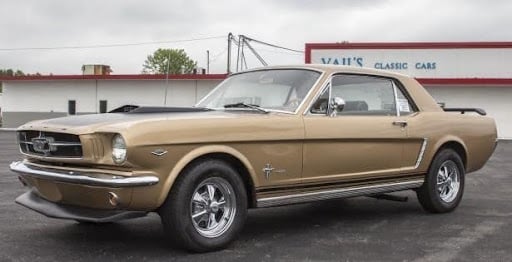
Top Down, Engine Alive: Why Classic Mustang Convertibles Still Deliver the Purest Driving Experience
There’s a certain kind of driving experience that modern cars, for all their advancements, rarely replicate. It’s not about touchscreen interfaces or driver-assistance systems. It’s about the simple, unmistakable feeling of being connected—to the road, to the machine, and to the environment around you. Few vehicles capture that feeling better than a classic Mustang convertible.
The 1968 Mustang GT convertible, in particular, represents a unique intersection of performance and freedom. It wasn’t built solely for speed or comfort—it was built to be experienced. And that experience continues to resonate with enthusiasts who value authenticity over automation.
The Unique Appeal of Convertible Muscle Cars
Convertible muscle cars offer something that hardtop designs cannot: immersion. Removing the roof changes the entire dynamic of driving. The sound of the engine becomes more immediate, the sense of motion feels amplified, and the environment becomes part of the experience.
This isn’t just a stylistic choice—it’s a philosophical one. These cars were designed to be enjoyed, not just operated. That distinction is what makes them stand out even decades later.
Why the 1968 Mustang GT Convertible Still Matters
A Balance of Performance and Comfort
The 1968 Mustang GT convertible strikes a balance that few vehicles achieve. It delivers the performance expected from a muscle car while maintaining a level of comfort that makes it suitable for longer drives. This versatility is part of its enduring appeal.
Unlike more extreme performance cars, it doesn’t demand constant attention—it invites you to enjoy the drive. That distinction makes it accessible to a wider range of enthusiasts.
A Design That Transcends Trends
The design of the Mustang convertible remains timeless. Its clean lines and balanced proportions give it a presence that feels just as relevant today as it did in the late 1960s. This enduring appeal is one of the reasons why it continues to attract attention from collectors and drivers alike.
It’s not tied to a specific era—it simply works, regardless of changing design trends.
Modern Interpretations of Classic Convertibles
As interest in classic cars continues to grow, so does the demand for vehicles that combine vintage aesthetics with modern reliability. Original models, while desirable, often come with challenges related to maintenance and usability.
This has led to the rise of reengineered builds that preserve the original design while incorporating updated components. These vehicles aim to deliver the same emotional experience without the compromises associated with older technology.
Reengineering the 1968 Mustang GT Convertible for Today
For enthusiasts looking to experience a refined version of the original, companies like Revology Cars have developed modern interpretations that stay true to the car’s identity while enhancing its performance and reliability.
These builds retain the visual and emotional qualities that make the Mustang convertible special, while introducing improvements that make it more practical for everyday use. The result is a vehicle that feels both familiar and new, offering a bridge between past and present.
This approach reflects a broader shift in the automotive world, where heritage and innovation are no longer seen as opposing forces, but as complementary elements.
The Cost of Authenticity and Value in the Market
Classic muscle cars have become increasingly valuable, with certain models commanding significant prices at auctions and private sales. The combination of rarity, historical significance, and craftsmanship contributes to their appeal.
Exploring some of the most expensive muscle cars ever sold provides insight into how the market values these vehicles and what factors drive their worth.
For many buyers, the decision comes down to balancing authenticity with usability. While original models offer historical value, modern builds provide a more practical ownership experience.
Maintaining a Classic-Inspired Vehicle
The Importance of Specialized Care
Owning a classic or classic-inspired vehicle requires a different approach to maintenance. These cars often demand a higher level of attention, particularly when it comes to preserving performance and reliability.
Understanding how to choose the right company car can help owners make informed decisions about maintenance and care.
Long-Term Ownership Considerations
Beyond routine maintenance, owners must also consider factors such as storage, parts availability, and long-term support. These elements play a significant role in ensuring that the vehicle remains in optimal condition over time.
With proper care, a classic-inspired convertible can provide years of enjoyment while retaining its value.
Why Convertibles Continue to Define Driving Enjoyment
As the automotive industry moves toward greater automation, the role of convertibles becomes even more significant. They represent a form of driving that prioritizes experience over convenience, offering something that many modern vehicles lack.
The 1968 Mustang GT convertible exemplifies this philosophy. It reminds us that driving is not just about getting from one place to another—it’s about how that journey feels.
For enthusiasts, this perspective is what keeps classic convertibles relevant, even as technology continues to evolve.
Conclusion
The enduring appeal of classic Mustang convertibles lies in their ability to deliver a driving experience that feels genuine and engaging. They combine performance, design, and freedom in a way that few vehicles can match.
By blending heritage with modern engineering, today’s interpretations ensure that this experience remains accessible. They allow drivers to connect with a defining era of automotive history while enjoying the benefits of contemporary technology—proving that some aspects of driving never go out of style.

