
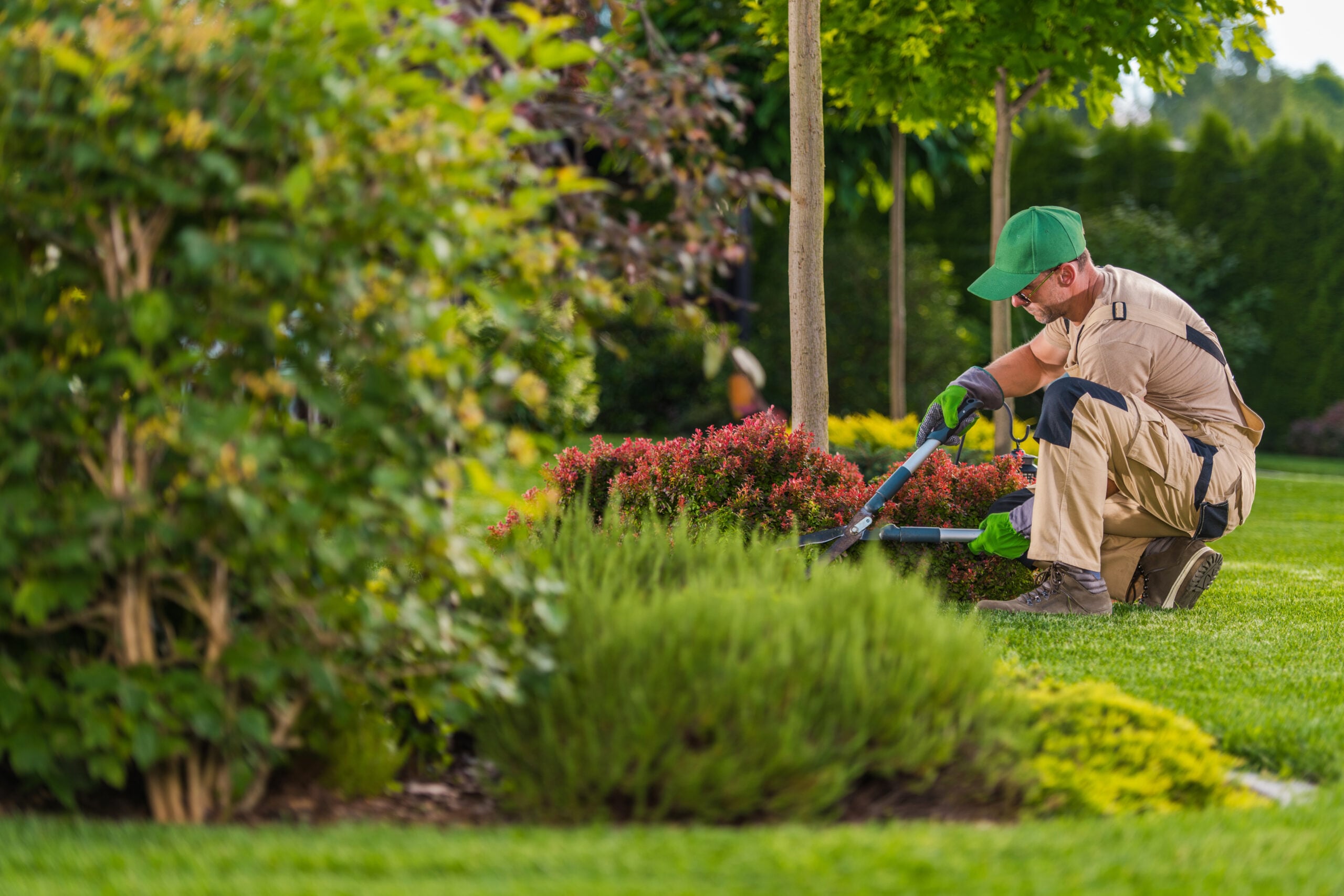
When Should You Renovate Your Landscape Beds?
Landscape beds are the quiet backbone of a home’s curb appeal. They frame walkways, soften hard edges, and give a yard that polished, cared-for look. But even the most beautiful beds lose their shine over time. Soil compacts, plants outgrow their space, and mulch fades or washes away. Knowing when to step in and renovate—rather than just patch things up—can make the difference between a yard that looks tired and one that looks intentional.
Signs Your Landscape Beds Need Attention
The first clue is usually visual. If your beds look sparse, overgrown, or unbalanced, that’s a sign the design no longer fits the space. Plants that once filled a bed nicely can become leggy or crowd each other out, choking off light and airflow. On the flip side, bare patches of soil invite weeds to take over, undoing years of careful upkeep.
Soil health is another telltale sign. Compacted or depleted soil struggles to support healthy root systems, which shows up as stunted growth, yellowing leaves, or plants that simply fail to thrive no matter how much you water or feed them. If you’ve noticed drainage issues—water pooling after rain or soil that stays soggy for days—that’s often a sign the bed’s structure needs to be reworked from the ground up.
Finally, consider function. Landscape beds should do more than look nice; they should support the way you use your yard. If beds block foot traffic, overshadow hardscaping, or no longer complement the style of your home, it may be time for a redesign rather than a simple refresh.
The Best Time of Year to Renovate
Timing matters when it comes to landscape bed renovations. Early spring and fall are generally the best windows, since cooler temperatures reduce stress on plants and give new additions time to establish roots before the extremes of summer heat or winter cold set in.
Spring renovations work well if you want to enjoy new plantings through the growing season. This is also a natural time to assess what survived winter and what needs replacing. Fall, on the other hand, is ideal for dividing perennials, planting shrubs, and refreshing mulch, since the soil is still warm enough to encourage root growth while the plants themselves are heading into dormancy and won’t need to expend energy on top growth.
Avoid starting major renovations in the peak heat of summer or the depths of winter. Extreme temperatures put unnecessary stress on new plantings and make it harder for them to establish before facing additional environmental pressure.
Planning Your Landscape Bed Renovation
A successful renovation starts with a clear plan. Walk your property and take note of which beds are underperforming, then think about what you want each space to accomplish—whether that’s more color, better structure, or simply less maintenance.
Consider the existing plants first. Some may just need dividing, pruning, or relocating rather than full removal. Others may have outlived their usefulness and are better replaced with varieties suited to your soil, sunlight, and climate. This is also a good time to evaluate your soil quality, since amending it with compost or other organic matter can dramatically improve the health of whatever you plant next.
Don’t overlook the finishing touches, either. Fresh mulch, defined edging, and thoughtful plant spacing all contribute to a polished result that will hold up over time rather than requiring constant upkeep.
Give Your Landscape the Refresh It Deserves
Renovating your landscape beds isn’t just about aesthetics—it’s about setting your yard up for long-term health and ease of care. Whether you’re addressing overgrown plantings, poor soil, or a design that no longer fits your home, the right renovation at the right time of year can transform a tired landscape into one that thrives for seasons to come.
If your beds are showing signs of wear, don’t wait for the problem to grow. A little planning now, timed to the right season, will pay off in a yard that’s healthier, more functional, and more beautiful for years to come.

