
Does a Body Shop Have to Take My Car Apart to Give Me an Accurate Estimate?
If you’ve recently been in an accident and taken your car to an auto body shop for an estimate, you might have been surprised to hear that the technician wants to disassemble part of your vehicle before giving you a final number. It’s a common point of confusion for drivers who expect a quick visual inspection and a price on the spot. So why does this happen, and is it really necessary?
The short answer is: sometimes, yes. Here’s what you need to know about the estimating process and why a teardown might be part of it.
Why a Visual Inspection Isn’t Always Enough
When a vehicle comes in after a collision, the damage you can see is often just the beginning of the story. Bumpers, fenders, and hoods are designed to absorb impact, which means the real damage can be hiding underneath or behind these panels. A scratched bumper might look like a minor cosmetic issue, but underneath it could be a cracked support beam, a damaged sensor, or misaligned brackets that aren’t visible without removing the panel.
An auto body shop that only performs a surface-level inspection is working with incomplete information. This isn’t necessarily due to negligence; it’s simply a limitation of what the human eye can detect without taking a closer look. For minor damage, a visual estimate might be accurate enough. But for anything beyond a small scuff or dent, a more thorough inspection often becomes necessary to understand the true scope of repairs.
What a Teardown Actually Involves
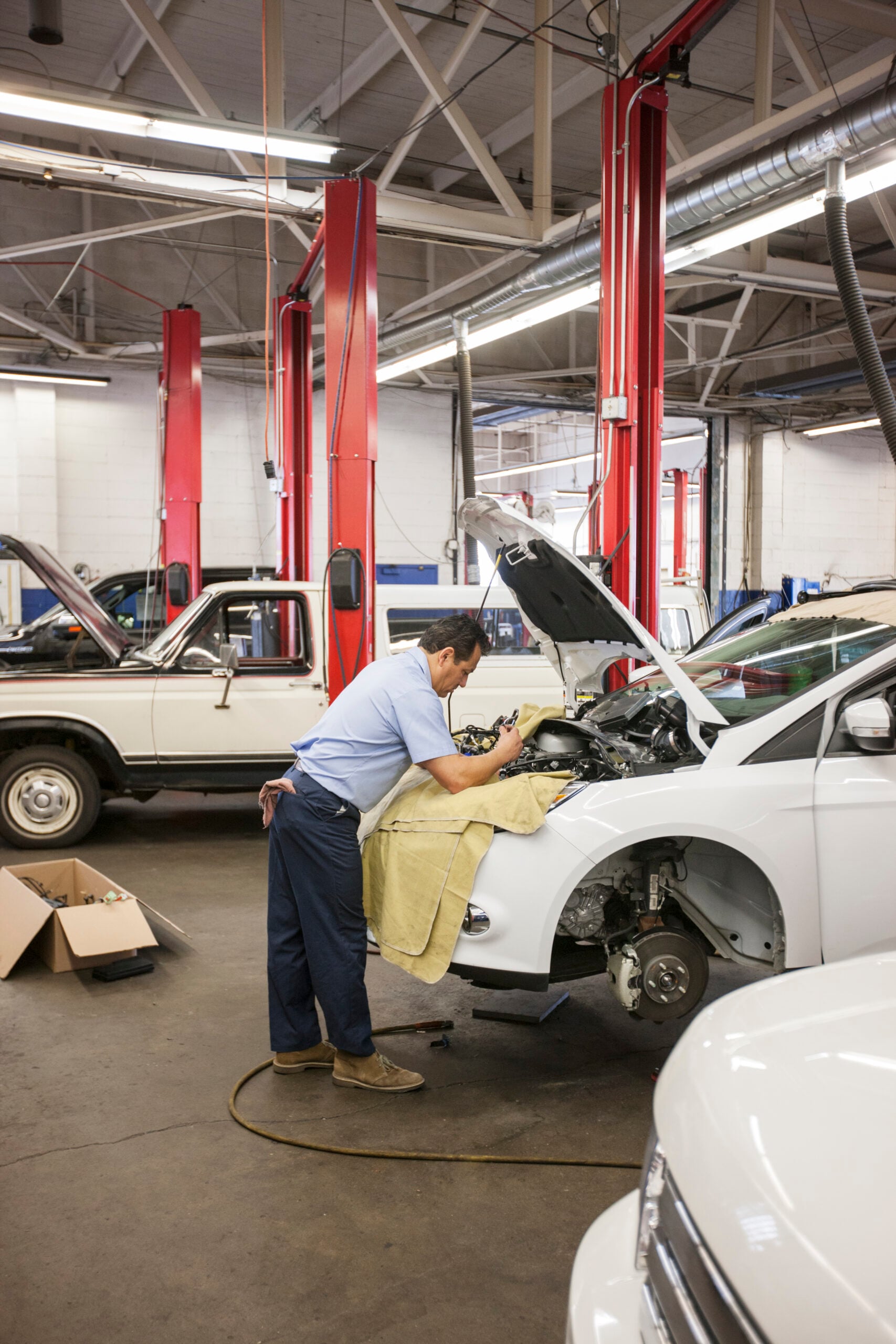
A “teardown,” sometimes called a disassembly or blueprinting process, involves removing damaged components so technicians can see what’s happening beneath the surface. This might mean taking off a bumper cover, pulling back a fender liner, or removing a damaged panel entirely.
During this process, technicians look for hidden damage: bent frames, broken mounting points, damaged wiring harnesses, or compromised safety components like airbag sensors. They’re also checking for structural issues that could affect how your car performs in a future collision if left unrepaired. This level of detail matters because modern vehicles are built with complex safety systems, and even small misalignments can affect how those systems function.
Why This Benefits You
It might feel like an inconvenience to have your car partially disassembled just to get a price, but this step actually protects you. An estimate based solely on visible damage can lead to significant surprises later. Once repairs begin and technicians find additional damage, the cost can increase substantially, timelines can stretch, and if you’re working with an insurance claim, you may find yourself in a frustrating back-and-forth over what’s covered.
A thorough teardown helps prevent these surprises. It allows the shop to provide a more accurate estimate upfront, which means better planning for your schedule, your budget, and your conversations with your insurance company. It also ensures that any repair performed addresses all the damage, not just what’s immediately visible, so your vehicle is genuinely safe to drive once it leaves the shop.
When Is a Teardown Necessary?
Not every repair requires a full disassembly. Minor cosmetic damage, such as small dents or surface scratches, usually doesn’t need extensive teardown. But if your vehicle has been in a moderate to severe collision, especially one involving bumper-to-bumper impact or airbag deployment, a teardown is often standard practice. A reputable auto body shop will explain why they recommend this step and what they’re looking for during the process.
What to Expect From the Process
If your shop recommends a teardown, expect it to add some time to the initial estimate process. Rather than walking in and leaving with a number in hand, you may need to leave your vehicle for inspection. Many shops will also communicate with your insurance adjuster during this phase, since a more accurate estimate helps streamline the claims process on their end too.
Ultimately, a teardown isn’t a sign of an overly cautious shop trying to pad the bill. It’s a sign that the shop is committed to giving you accurate information and a repair that actually restores your vehicle’s safety and function. When you’re evaluating body shops, consider asking how they handle estimates for damage beyond the surface. Their answer can tell you a lot about the quality of work you can expect.

