
Why a New Generation of Founders Is Eating Fintech’s Lunch
Fintech used to be a slow industry. The barrier was capital, the moat was regulation, and the founders looked the part. That model is fraying. A new wave of founders, many of them still in their twenties, is moving into corners of the market that legacy providers stopped paying attention to.
Payment processing is the clearest example. The category has spent two decades adding complexity to its pricing while reducing the quality of the customer experience. Statements got longer. Contracts got tighter. Software got worse. The big providers traded their owner relationships for a script and a retention department.
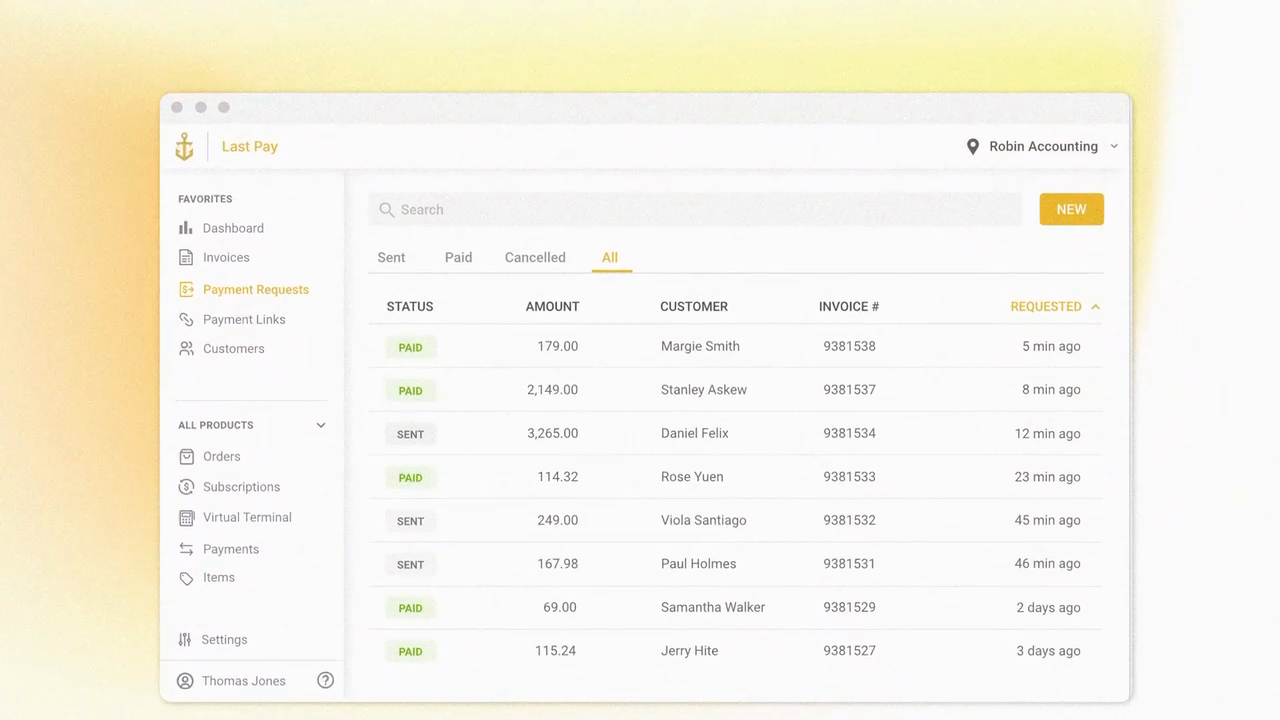
That created an opening. Founders who grew up inside the industry and left frustrated are now building the alternatives. Austin Diaz and Max Umlas are two of them. Diaz started in payment processing in his teens, watched the field up close, and co-founded LastPay with Umlas to do the simple version of the job. Diaz led the product. Umlas built the growth engine and backend operations. Lower fees. Cleaner statements. Software that talks to QuickBooks.
Three forces explain why this generation has a real shot. The first is product literacy. Owners under forty expect their tools to feel like Stripe, not like a fax machine. They will switch providers for less reason than their parents would.
The second is distribution. Word of mouth used to take years to compound. Today an owner can post a side-by-side savings comparison on LinkedIn at lunch and have ten peers asking for the demo by dinner. New entrants do not need to outspend the legacy providers on advertising. They need to be defensible enough to recommend.
The third is the math itself. The savings these new entrants surface are too large to ignore. A small business clearing two million in card volume can see processing costs drop by twenty to forty thousand dollars per year on a credible audit. That is not a marginal pitch. It is a hiring decision.
What the trend rewards is execution discipline. Younger founders who chase headlines instead of customers tend to flame out. Younger founders who lead with audits, statements, and savings tend to compound. LastPay sits in the second camp.
The legacy providers will keep their largest accounts for a long time. Switching costs are real. Procurement cycles are slow. The mid-market and below is where the change is happening, and it is happening fast. Owners who would not have considered a one-year-old vendor in 2018 are signing this year because the math is undeniable.
Regulation has not caught up with the change. The processing industry is governed by network rules and a patchwork of state-level statutes that do not address pricing transparency. The new entrants are not waiting for legislation. They are pricing as if the regulation already exists, on the bet that customer behavior will move faster than policy.
The legacy providers will respond, and the response is predictable. They will roll out a new product tier with cleaner statements, run a marketing campaign about transparency, and quietly leave the bulk of their book on the old pricing. The book is the asset. The book is also the liability. Owners who know to ask for the new tier will get it. Owners who do not will keep paying the old rate.
The story does not have a clean ending. Some legacy providers will adapt. A few will sell into the change and emerge with a cleaner product. The rest will manage their decline carefully, defending their largest accounts and quietly losing the long tail. The mid-market and below will not look the same in five years. The owners who switch first will keep the savings for the longest.
Fintech became a slow industry by accident, not by design. The next decade will move at a different speed. Founders like Diaz and Umlas are setting that pace.
For a closer look at the platform, watch Introducing LastPay on the LastPay YouTube channel.

