
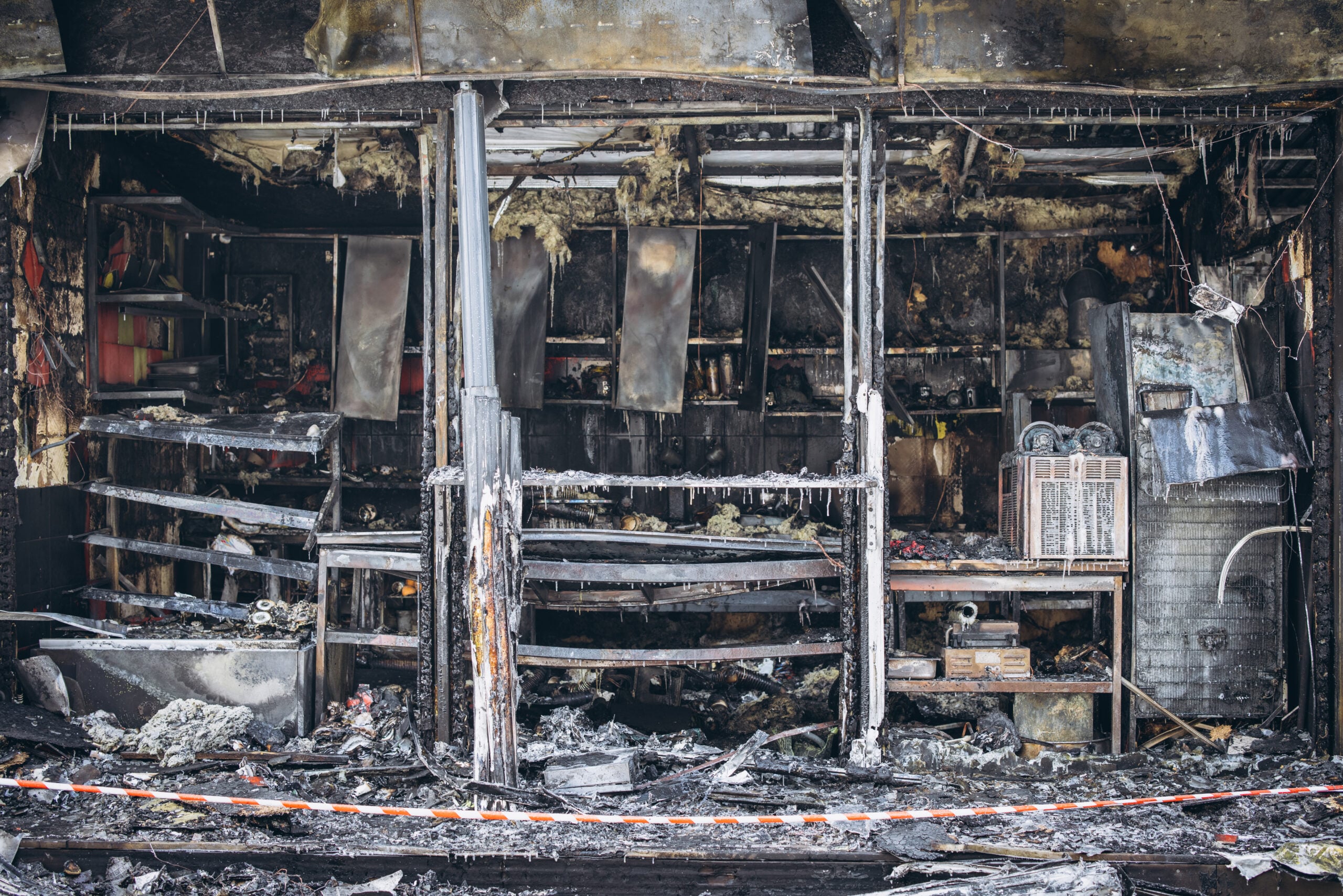
Who to Call First: Navigating Police, Fire Departments, and Restoration Teams
When disaster strikes your home or business, the chaos of the moment can make even simple decisions feel overwhelming. Whether it’s a fire, flood, break-in, or storm damage, knowing who to call first can save you time, money, and unnecessary stress. Understanding the roles of police, fire departments, and restoration teams—and the order in which to contact them—puts you back in control when it matters most.
Start With Emergency Services
If there’s an active threat to life or property, your first call should always be to 911. Fire departments and police are trained to handle immediate dangers: extinguishing flames, rescuing trapped occupants, securing a break-in scene, or managing hazardous conditions like gas leaks or downed power lines.
Fire departments don’t just put out fires—they also assess structural safety before allowing anyone back inside. This step is crucial. Entering a damaged building too soon can be dangerous, and emergency responders are trained to make that call.
Police, on the other hand, step in when a crime has occurred, such as burglary, vandalism, or arson. They document the scene, collect evidence, and file a report that you’ll likely need for insurance purposes. Never attempt to clean up or move items after a break-in until police have completed their investigation. Disturbing the scene can compromise evidence and delay any potential recovery of stolen property.
Once the Scene Is Secure, Call Your Insurance Provider
After emergency responders have addressed the immediate danger, your next call should go to your insurance company. Most insurers have 24/7 claims hotlines specifically for emergencies. Reporting the incident quickly starts the claims process and helps prevent disputes about when the damage occurred.
Your insurance representative will likely ask for basic details: what happened, when it happened, and the extent of visible damage. Take photos and videos of the property before any cleanup begins, if it’s safe to do so. This documentation becomes invaluable when filing claims and can speed up approval for restoration work.
Bringing in Restoration Professionals
With emergency services and insurance notified, it’s time to call a restoration company. This is where the real recovery work begins. Restoration teams specialize in mitigating further damage, whether that means extracting standing water, removing smoke odor, or boarding up broken windows and doors.
Timing matters here. The longer damage sits unaddressed, the worse it typically becomes. Water damage, for example, can lead to mold growth within 24 to 48 hours. A prompt call to a restoration team helps limit secondary damage and often reduces overall repair costs.
Reputable restoration companies work directly with insurance adjusters, which can simplify communication and keep your claim moving smoothly. They’ll typically send someone to assess the damage, create a scope of work, and begin stabilizing the property—all before full reconstruction starts.
Understanding the Difference Between Restoration and Reconstruction
It’s worth clarifying the distinction between restoration and reconstruction, since both often come up during recovery. Restoration focuses on returning a property to its pre-damage condition through cleaning, drying, deodorizing, and minor repairs. Reconstruction, by contrast, involves rebuilding structural elements that are too damaged to salvage—think replacing drywall, flooring, or entire sections of a roof.
Many restoration companies offer both services under one roof, which simplifies the process considerably. Instead of coordinating between multiple contractors, you work with a single team that manages the project from initial cleanup through complete rebuilding. This continuity can make a stressful situation far more manageable.
Keeping Communication Organized
Throughout this process, clear communication between all parties helps everything move faster. Keep a written log of who you’ve contacted, when, and what was discussed. Save contact information for the responding officers, fire personnel, your insurance adjuster, and your restoration project manager. If questions arise later, having this information organized will save you from scrambling to piece together the timeline.
Final Thoughts
Knowing who to call first—and why—makes a genuine difference when facing property damage. Emergency responders address immediate safety concerns, insurance providers set the claims process in motion, and restoration teams handle the recovery and rebuilding. By understanding each role, you can navigate a difficult situation with clarity instead of confusion, getting your property, and your life, back to normal as efficiently as possible.

