
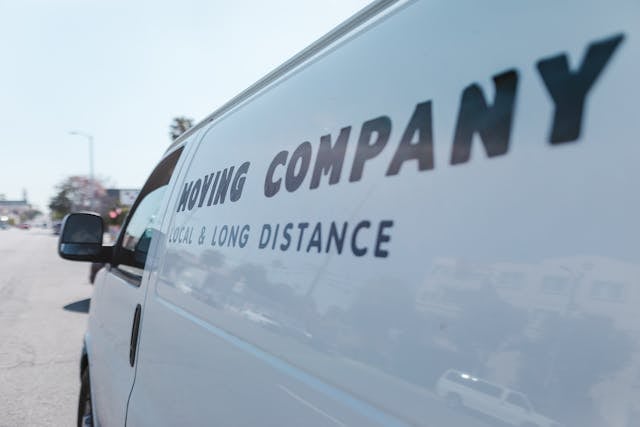
When a Company Vehicle Incident Disrupts More Than Just the Workday
Companies rely on mobility more than ever. Sales teams visit clients, technicians travel between job sites, and deliveries move products to customers who expect reliability and speed. Vehicles support these daily activities, yet many organizations underestimate how transportation risks can quietly influence business stability. When an incident occurs on the road, the consequences often reach much further than the moment itself.
Operational continuity often depends on predictable movement. When that movement stops because a vehicle becomes unavailable, schedules collapse and responsibilities shift unexpectedly. Employees may scramble to compensate for lost time, while managers attempt to maintain productivity without proper resources. These disruptions can appear small at first, but they quickly reveal how dependent many companies are on vehicles functioning without interruption.
Many companies also assume that transportation problems only affect industries built around logistics. In reality, businesses across many sectors rely on vehicles in ways that are easy to overlook. Consultants travel to client offices, contractors move equipment between sites, and service teams depend on reliable transportation to reach customers on time. When a vehicle suddenly becomes unavailable, the ripple effect spreads across departments and alters routines that normally operate smoothly.
How a Car Accident Can Affect Business Operations
According to Weston & Pape, a car accident involving a company vehicle can interrupt daily activity in ways that go beyond immediate damage. When a vehicle is taken out of service, the employee who depends on it may not be able to complete scheduled work. Deliveries get postponed, client meetings disappear from the calendar, and technicians may lose an entire day of productivity. Even a relatively minor car accident can create a chain reaction that forces businesses to rearrange tasks and commitments.
The financial consequences also extend further than most companies expect. Repairs, temporary vehicle replacements, and scheduling adjustments often generate unexpected costs. At the same time, the organization may lose revenue because services cannot be delivered on time. A single car accident therefore affects both short term efficiency and long term client relationships, particularly when customers depend on punctual service.
Another issue emerges when multiple teams depend on the same resources. If a company operates with a limited fleet of vehicles, one incident can delay several departments at once. Sales representatives may postpone meetings, maintenance teams may reschedule service visits, and delivery staff may struggle to keep up with demand. What began as a single event on the road gradually becomes an operational challenge that spreads throughout the business.
The Financial Pressure Behind Unexpected Disruptions
Businesses tend to plan for routine expenses, but unexpected events introduce financial pressure that rarely fits into existing budgets. When a vehicle suddenly requires repair or replacement, organizations must allocate resources quickly. This shift may affect other projects or investments that were originally planned for that quarter or fiscal year.
Beyond direct repair costs, there are additional factors that quietly influence profitability. Missed appointments can reduce billable hours, while delayed deliveries may require refunds or discounts. Over time these smaller adjustments accumulate and place stress on revenue projections. Even companies that operate efficiently can experience financial strain when transportation interruptions become frequent.
Insurance considerations may also affect how businesses manage these situations. Premium adjustments, claim reviews, and administrative tasks require attention from management teams that already have full workloads. These responsibilities consume time that would otherwise be dedicated to growth strategies, client relationships, and operational improvements.
How Employee Productivity Is Affected by Sudden Changes
Employees build their schedules around predictable workflows. Field representatives map out routes, technicians allocate time between service locations, and delivery drivers follow precise timelines. When those patterns suddenly collapse because transportation is unavailable, productivity becomes difficult to maintain.
Workers may attempt to adjust quickly by reorganizing tasks or relying on alternative transportation. However, these adjustments often reduce efficiency. Employees spend additional time coordinating logistics instead of focusing on the work they were originally hired to perform. As a result, productivity decreases even though staff members continue working hard to meet expectations.
This shift can also influence morale. Employees who depend on reliable transportation often feel frustrated when disruptions prevent them from completing assignments on time. Even when staff members understand the situation, repeated interruptions can create stress and uncertainty. Maintaining clear communication during these moments helps teams stay focused while solutions are developed.
Planning for Risk Before It Disrupts Operations
Companies that rely on vehicles benefit from planning for transportation risk long before a disruption occurs. This preparation often includes clear policies about vehicle use, regular maintenance schedules, and internal procedures that help employees respond effectively when incidents happen. When expectations are established early, organizations can react faster and maintain operational stability.
Preparation also involves evaluating how transportation supports daily operations. Some companies rely heavily on a small number of vehicles, while others distribute mobility across larger teams. By reviewing these structures, business owners can identify vulnerabilities that might otherwise remain hidden. Planning ahead reduces uncertainty and allows organizations to maintain productivity even when unexpected challenges arise.
Businesses may also benefit from reviewing communication processes that activate when transportation issues appear. Managers who provide quick updates and clear instructions help employees adjust their schedules more effectively. With the right systems in place, teams can reorganize tasks quickly and minimize delays that might otherwise affect customers.
Stability Comes from Prepared and Flexible Businesses
Strong businesses remain stable not because they avoid every problem, but because they respond effectively when challenges appear. Transportation disruptions remind companies how interconnected their operations truly are. A vehicle may appear to be a simple tool, yet it often supports client relationships, employee productivity, and revenue generation at the same time.
Organizations that evaluate their operational risks regularly tend to adapt more easily when interruptions occur. They maintain alternative plans, communicate clearly with employees, and adjust schedules when necessary. This mindset allows businesses to continue serving customers while protecting long term stability, even when an unexpected situation interrupts the normal rhythm of the workday.
Preparation also strengthens confidence throughout the organization. Employees perform better when they know the company has plans for unexpected situations. Customers also appreciate businesses that maintain reliability despite disruptions. By recognizing how transportation incidents can influence daily operations, companies position themselves to protect both productivity and long term growth.

