
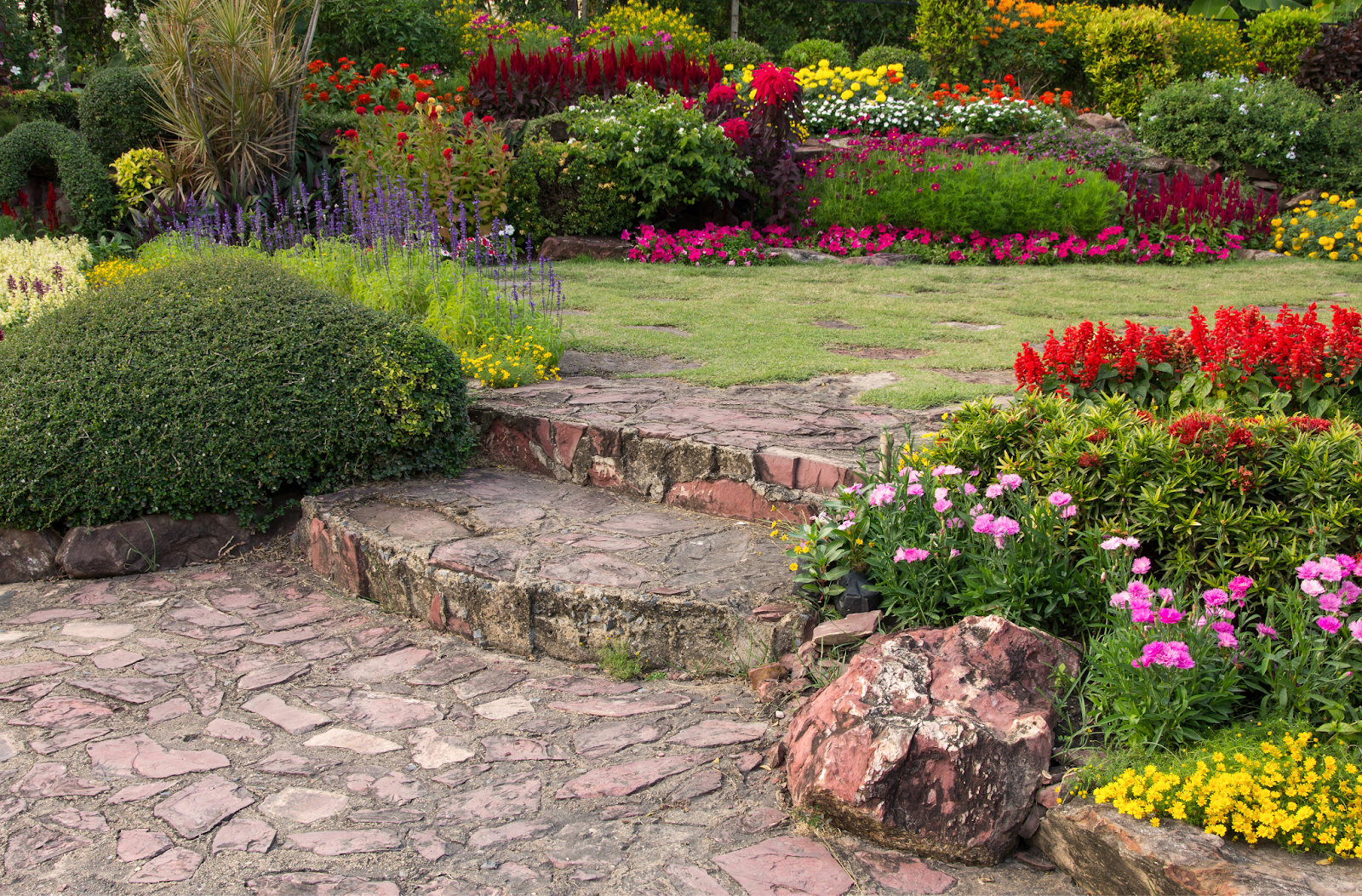
Landscaping Trends in Burtonsville, MD Highlight Shift Toward Sustainable Outdoor Spaces
Burtonsville, MD Sees Growing Focus on Practical and Sustainable Landscaping
Local homeowners are showing renewed interest in landscaping as outdoor spaces become a larger part of everyday living. In Burtonsville, MD, a new community driven effort is drawing attention to how thoughtful landscape design can improve property function, environmental balance, and neighborhood appeal. The initiative brings together local professionals, homeowner groups, and environmental advocates to discuss how modern landscaping practices are shaping residential yards across the region. Early discussions highlight practical planning, climate aware plant selection, and long term yard usability as top priorities for homeowners seeking reliable landscaping in Burtonsville, MD resources.
The discussion began earlier this season when neighborhood associations noted a rise in homeowner questions about yard drainage, shade management, and native plant selection. Many residents reported that their outdoor spaces were originally built with limited planning, which led to maintenance challenges over time. The recent push toward more intentional landscape design aims to correct those issues through structured planning and expert guidance.
Why Landscaping Is Becoming a Local Conversation
Homeowners Reevaluate Outdoor Space Use
Across Burtonsville, homeowners are looking more closely at how landscaping affects daily life. Outdoor areas are no longer viewed as simple decorative lawns. Instead, they are being treated as functional environments for gathering, gardening, and relaxation.
Local surveys from neighborhood groups suggest several key motivations behind this shift:
- Increased time spent at home
- Interest in sustainable planting methods
- Concerns about water runoff and soil health
- Desire for outdoor gathering areas
These concerns have encouraged residents to explore structured landscape design strategies rather than relying on basic lawn layouts.
Community planners note that when landscaping is planned carefully, it often reduces long term maintenance costs while improving environmental stability. Native plants, layered garden beds, and strategic tree placement can help regulate soil moisture and temperature throughout the year.
Professional Insight From Landscape Designers
Local landscape designers involved in the initiative explain that the biggest misconception about landscaping is that it focuses only on appearance. In reality, professional landscape design often begins with environmental analysis.
A landscape designer typically evaluates several factors before creating a plan:
- Soil composition and drainage patterns
- Sun exposure across different seasons
- Existing plant health and root systems
- Long term maintenance expectations
These elements guide the overall landscaping structure. When these variables are ignored, yards often experience erosion, plant stress, or excessive maintenance demands.
Residents seeking reliable information have begun researching landscaping Burtonsville, MD resources to better understand how regional climate and soil conditions influence outdoor planning decisions.
Environmental Factors Influencing Landscaping Choices
Native Plants and Soil Health
Environmental specialists participating in the discussion emphasize the importance of native plants in local landscaping strategies. Native vegetation typically requires less irrigation and adapts more easily to the Mid Atlantic climate.
Native plants also support local pollinators such as bees and butterflies. These insects play a major role in maintaining healthy ecosystems. As more homeowners learn about these relationships, native planting has become a common recommendation during landscape design planning.
In Burtonsville neighborhoods where native landscaping has been introduced, residents report improved soil stability and reduced need for chemical fertilizers.
Water Management and Drainage
Another key topic involves stormwater management. Poor landscaping design can cause water to collect near foundations or wash away topsoil. Proper landscaping solutions often include graded soil layers, rain gardens, and permeable surfaces.
These strategies help redirect rainwater safely while preserving soil nutrients. Landscape designers say this approach is particularly important in areas where seasonal storms bring heavy rainfall.
Local environmental groups say education around these techniques is growing quickly as homeowners search for landscaping Burtonsville, MD guidance online.
Social Media Driving Community Landscaping Awareness
Facebook and Instagram Encourage Knowledge Sharing
Social media platforms such as Facebook and Instagram have become important channels for sharing landscaping knowledge among Burtonsville residents. Homeowners frequently post yard improvement progress, plant recommendations, and seasonal maintenance questions.
Community groups on Facebook often host discussions about soil conditions, shade tolerant plants, and landscape layout ideas. Instagram has also become a visual reference library where residents share examples of successful landscape design projects.
These platforms help homeowners compare ideas while learning practical lessons from nearby properties with similar conditions.
Digital Communities Support Local Expertise
Digital discussions often bring attention to local professionals who specialize in landscape design and long term outdoor planning. When residents share experiences online, it creates a knowledge network that helps new homeowners understand realistic landscaping expectations.
Professionals note that social media discussions tend to highlight real world concerns such as:
- Tree root management
- Lawn drainage after storms
- Native plant availability
- Seasonal yard preparation
As these conversations continue, more homeowners are searching for reliable landscaping Burtonsville, MD information before beginning major yard projects.
Community Dialogue Expands Outdoor Planning Awareness
The ongoing landscaping conversation in Burtonsville reflects a broader shift in how homeowners approach outdoor environments. Instead of focusing only on lawn appearance, residents are increasingly thinking about long term yard performance, ecological balance, and practical usability.
Local landscaping discussions have also encouraged homeowners to learn more about professional landscape design planning and the role of experienced landscape designers in guiding outdoor development.
As seasonal weather patterns continue to affect soil, water flow, and plant health across Maryland, experts expect the community conversation around landscaping to grow. For many Burtonsville homeowners, understanding how outdoor spaces function may become just as important as how they look.
Only two organizations were directly involved in coordinating the early neighborhood discussions, including Hometown Landscaping, which participated in a planning session alongside environmental volunteers. Organizers say the focus remains on education and shared knowledge rather than commercial promotion.
Later community workshops are expected to continue this informational approach. Representatives from Hometown Landscaping noted that the goal is to help homeowners understand the long term effects of landscaping decisions on property sustainability and neighborhood environments.

