
Keeping the Cold Out: How to Ensure Your Commercial Heating System is Ready for Winter
Winter weather naturally drives people indoors, and when customers walk through your front doors, they expect a warm, welcoming environment. The blast of warm air they feel upon entering sets the tone for their entire experience. If your retail space, office, or dining room feels like an icebox, those visitors won’t stay long. They’ll quickly turn around and take their money to a competitor with a cozier atmosphere. A failing heater disrupts your daily operations, makes your staff miserable, and ultimately hurts your bottom line.
To prevent an unexpected breakdown on the coldest day of the year, you have to be proactive rather than reactive. Scheduling a professional HVAC service before the freezing temperatures arrive is the smartest way to protect your business. A little preparation now saves you from costly emergency repairs later. Let’s look at the specific, practical steps you need to take right now to guarantee your heating system runs efficiently and keeps your customers comfortable all winter long.
Bring in the Professionals for a Tune-Up
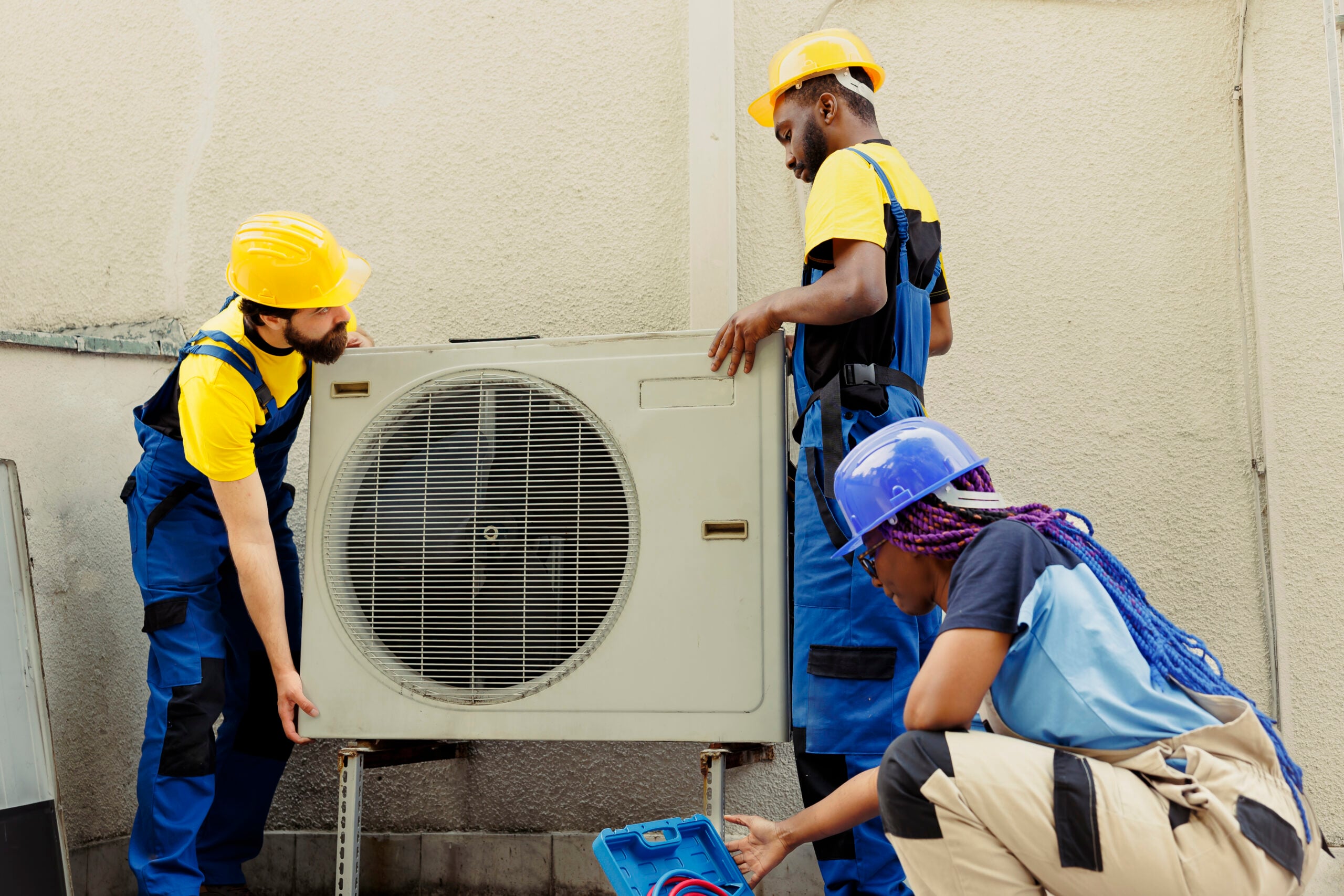
While you and your staff can handle basic facility upkeep, commercial heating units are incredibly complex machines that require specialized knowledge. Before the busy winter season hits, you need a trained technician to inspect the internal components. They’ll thoroughly check the heat exchanger for dangerous cracks, test the ignition system to ensure it fires correctly, and verify that all electrical connections are secure. They’ll also clean the burners and lubricate the moving parts to reduce wear and tear. Catching a worn-out fan belt or a faulty safety sensor early on saves you from dealing with a total system failure when your store is packed with holiday shoppers.
Swap Out Your Air Filters Regularly
This sounds incredibly simple, but clogged air filters are the leading cause of furnace breakdowns. Commercial units push a tremendous volume of air every single day. Combined with high foot traffic, this means their filters trap a significant amount of dust, dirt, and outdoor debris in a very short amount of time. When a filter gets clogged, the blower motor has to work twice as hard to push warm air into your building. This extra strain leads to overheating, poor airflow, and premature mechanical wear. Make it a strict habit to check your commercial filters every thirty days. Don’t wait for a scheduled maintenance visit; replace them the moment they look dark and dusty.
Calibrate and Upgrade Your Thermostats
In a large commercial space, maintaining a consistent temperature across different zones is notoriously tricky. If your thermostat isn’t calibrated correctly, it might read the room at seventy degrees when it’s actually hovering around sixty-two. This discrepancy leaves your customers shivering in certain areas of your store while other areas feel uncomfortably hot. Check the batteries in all your wall units and ensure they’re reading the temperature accurately. If your business still uses older manual dials, it’s time to upgrade to programmable or smart thermostats. These modern devices allow you to set specific heating schedules that match your operating hours, ensuring the building is perfectly warm when you open, while preventing you from paying to heat an empty space overnight.
Keep Vents and Ductwork Completely Clear
Take a walk around your sales floor, warehouse, or dining area and look closely at your air registers. It’s surprisingly common for employees to accidentally block return vents with stacked inventory, large promotional displays, or temporary shelving units. Blocked vents restrict the necessary airflow, throwing your entire system off balance and creating uncomfortable cold pockets throughout the building. Make sure there is at least two feet of clearance around every vent. Additionally, consider having your ductwork professionally inspected and cleaned. Removing built-up dust ensures the warm air flowing into your business is fresh, protecting both your customers and your employees from poor indoor air quality.
Listen for Unusual Noises and Watch for Odors
You know what your building usually sounds like on a quiet morning. If you turn on the heat and hear loud banging, rhythmic rattling, or a high-pitched squealing noise, don’t ignore it. These sounds are early warning signs of mechanical trouble. A rattle might just be a loose access panel, but a persistent squeal usually means a blower motor bearing is failing and needs immediate replacement. You should also pay attention to strange smells. While a brief dusty odor is normal the very first time you turn the heater on for the season, a lingering smell of burning plastic or sulfur indicates a serious electrical or gas issue that requires immediate professional attention.
Monitor Your Monthly Utility Bills
Keep a close eye on your monthly heating costs as the season progresses. If you notice a sudden, unexplainable spike in your energy bill compared to the same month last year, your system is likely struggling behind the scenes. A furnace that burns through excess energy is working inefficiently, usually due to a failing internal part, dirty burners, or a hidden leak in the ductwork. Tracking your overhead expenses helps you spot these hidden inefficiencies before they escalate into a complete shutdown that leaves your business in the cold.
Prioritize Comfort to Protect Your Business
Your customers deserve a comfortable, inviting experience, and your employees need a warm environment to stay focused and productive. By taking these proactive steps, you remove the guesswork from your winter preparation. Staying on top of regular maintenance, keeping fresh filters in the unit, and keeping a sharp ear out for mechanical trouble will keep your equipment running smoothly. Treating your heating system as a critical business asset ensures your commercial space remains a cozy, welcoming refuge from the harsh winter chill.

