
How Social Media Luxury Furniture Shopping Trends Are Changing Design
Social media luxury furniture shopping trends have fundamentally changed how people discover, evaluate, and ultimately purchase high-end furniture pieces — and the shift has been fast enough that many buyers and sellers are still catching up to what it actually means for how the purchasing process works. A decision that used to start with a visit to a showroom now typically starts with a scroll through Instagram or Pinterest, which changes everything about what buyers expect when they eventually do walk through a showroom door.
How Discovery Has Shifted
A decade ago the path to discovering a specific luxury furniture piece typically ran through shelter magazines, interior designer referrals, or simply walking into showrooms and seeing what was available. Those channels still exist and still matter, but they’ve been largely displaced as the starting point by social media platforms where design inspiration is essentially infinite and immediately accessible.
Instagram and Pinterest specifically have become the primary discovery channels for interior design inspiration across every market segment, including luxury. The visual nature of both platforms is naturally suited to furniture and interior design content — a beautifully photographed living room or bedroom becomes a reference point that a prospective buyer saves, returns to, and uses to articulate what they’re looking for long before they speak with anyone at a furniture store.
This changes the buyer who walks into a showroom meaningfully. They arrive already knowing what aesthetic they’re drawn to, already having seen specific pieces in styled room contexts, and often already knowing the name of specific products or collections they want to see in person. The discovery phase that used to happen in the showroom has largely moved online before the visit begins.
What Social Media Does Well and Where It Falls Short
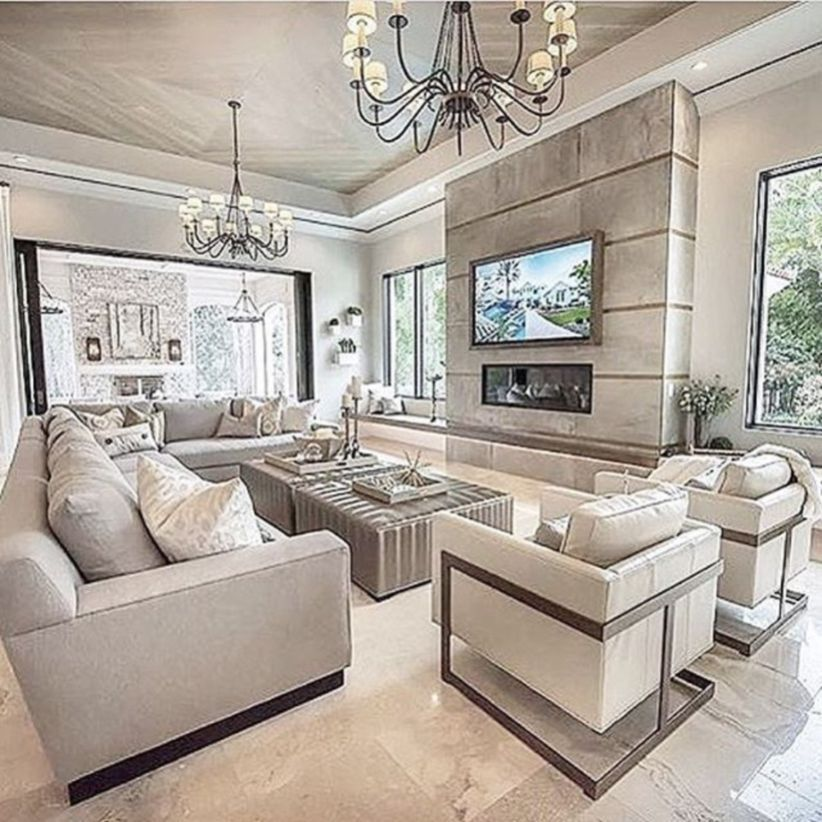
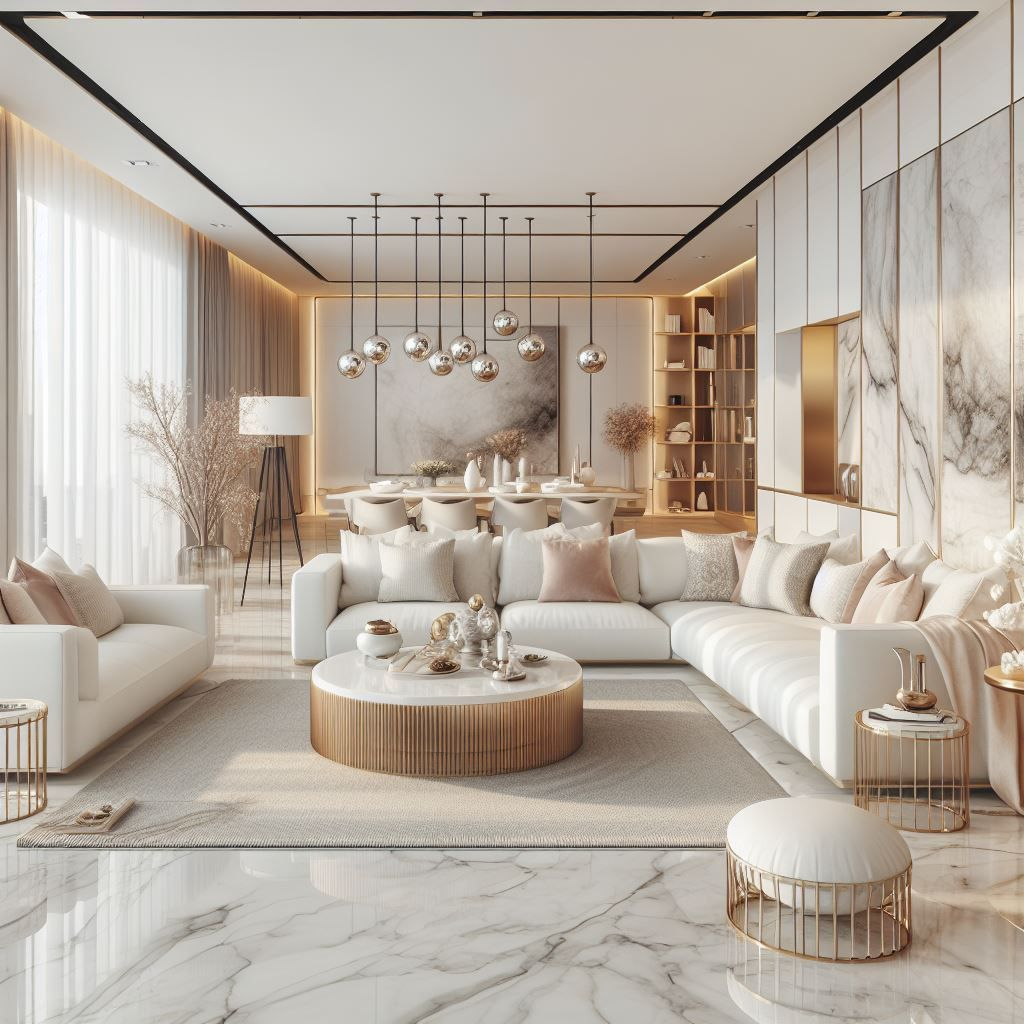
Social media’s strength in luxury furniture discovery is visual inspiration — showing pieces in styled, aspirational contexts that communicate how a room can look and feel rather than just what individual products look like in isolation. A living room sofa photographed in a beautifully composed room setting communicates its character in a way that a white-background product photo never can, which is why well-produced lifestyle content drives so much more engagement and purchase intent than catalog-style imagery.
What social media can’t replicate is the physical experience that still determines whether a luxury furniture purchase actually gets made. Scale, texture, the weight of upholstery fabric, the feel of a seat cushion, and how a piece looks under the specific light conditions of an actual room — none of these translate through a screen regardless of how good the photography is. This is why the showroom visit hasn’t disappeared even as discovery has moved online — it’s just shifted position in the purchase process from the beginning to a validation step that happens after the online discovery phase has already narrowed the options.
How Social Media Trends Affect What People Buy
Beyond changing the discovery process, social media luxury furniture shopping trends have accelerated the pace at which design preferences shift and expanded the range of influences buyers bring into the purchase conversation. A design moment that would previously have taken years to filter from editorial coverage into mainstream buyer preferences now propagates across social platforms in months.
This creates both opportunity and complexity for buyers. The opportunity is access to a far broader range of design influences than any single market’s local showroom environment would have historically provided. The complexity is distinguishing between genuinely enduring design preferences and trend-driven impulses that might feel compelling on screen but live less well in an actual home over time.
Quality luxury furniture pieces that are built to last for decades are a different purchase than fast-fashion adjacent pieces that respond to whatever is trending. The social media discovery process doesn’t always make that distinction obvious — which is where the showroom visit and the relationships with knowledgeable staff become more rather than less valuable in an era when initial discovery happens online.
What the Best Showrooms Offer in Response
Showrooms that have adapted well to social media luxury furniture shopping trends use social platforms as a genuine extension of the showroom experience rather than a separate channel. Well-produced social content that shows pieces in real room contexts, that provides scale references, and that communicates material and construction quality as well as aesthetics creates the kind of informed buyer who walks into the showroom ready to make decisions rather than needing to start from scratch.
The combination of strong online visual presence and a showroom experience that delivers on what the online content promised — with the addition of the physical qualities that no screen can communicate — is what turns the social discovery process into actual purchase decisions for bedroom furniture and living room pieces that buyers will live with for years.

