
Crawfish Boils Are Getting Bigger, and Event Infrastructure Hasn’t Kept Up
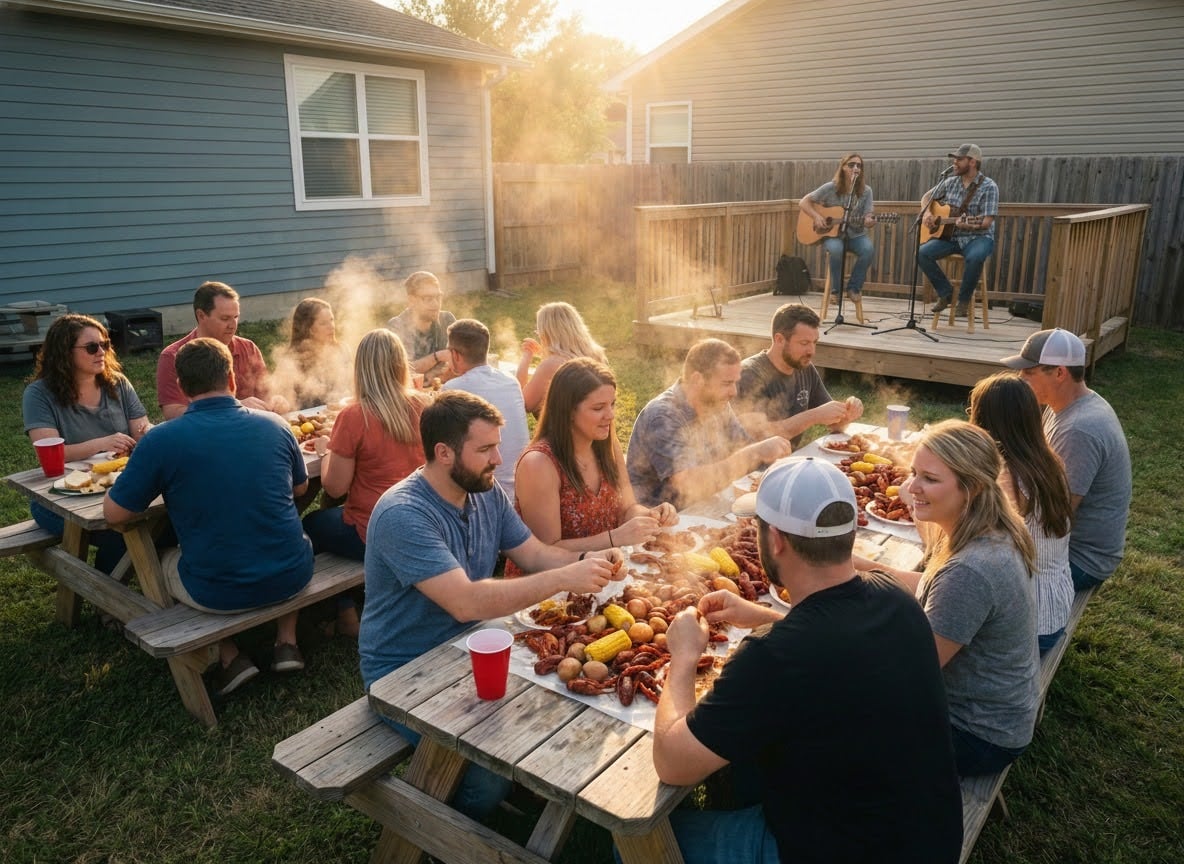
Crawfish boils used to be small, mostly private gatherings. A backyard. A family reunion. A neighborhood get-together. Over time, that has changed. Today, crawfish boils show up as company events, community fundraisers, ticketed festivals, and multi-hundred-person public gatherings. The food is the hook, but the real draw is the experience. People want something they can do together, outside, with music in the background and long tables full of conversation.
The problem is that the crawfish boil has scaled faster than the infrastructure around it. The crowd gets bigger, the event runs longer, and guest expectations rise, but the logistics plan often looks like it belongs to a smaller gathering. That gap is most apparent in sanitation. When the restroom plan is treated as a checkbox rather than an experience factor, even well-run events can start to feel uncomfortable once the first trays hit the tables.
This is not a minor detail. At crawfish boils, sanitation is not only about having enough toilets. It is about whether guests can wash their hands, reset, cool down, and keep enjoying the day. When that part is missing, people leave early, lines build, and the event loses energy.

From backyard tradition to large-scale event
The growth of crawfish boils is part of a broader shift. More communities are leaning into food-driven gatherings because they bring people together. You see it with barbecue cookoffs, chili contests, seafood festivals, and street food events. They feel local, they are easy to understand, and they turn a typical weekend into something worth showing up for.
The rise of these gatherings also fits with what event and travel researchers have tracked: people are spending on experiences and local trips. The U.S. Travel Association’s research regularly highlights the scale of domestic travel and the economic role of leisure travel, which helps explain why towns and organizations keep adding more festivals and public events. A crawfish boil that once served a few dozen friends can now turn into an event drawing hundreds or thousands of people, especially when it is tied to fundraising, civic programs, or tourism weekends.
But scaling changes everything. A backyard boil has natural infrastructure. Bathrooms inside the house. Running water at the sink. Shade from a porch. Air conditioning a few steps away. Once the boil becomes a public event in a field, parking lot, or fairground, those basics must be built from scratch.
Why sanitation problems stand out at crawfish boils
Some events can get away with bare-minimum sanitation because restroom use is occasional. Crawfish boils are different because the main activity is messy by design. People peel crawfish with their hands. Seasoning is oily. Butter drips. Spice dust sticks. Guests touch coolers, serving trays, tables, phones, and each other, then go right back to eating.
That creates constant demand for handwashing. Not hand sanitizer. Not a wet wipe. Real soap and running water. Guests want to rinse off grease and spice. Parents need a place to help children clean up. People want to wash up before getting back into their vehicle. When that is hard to do, discomfort builds fast.
This is why crawfish boils expose infrastructure problems more quickly than many other outdoor events. When sanitation is limited, guests cannot ignore it. Their hands literally remind them every few minutes. When the restroom plan doesn’t match the eating style, the event feels harder than it should.
Guest expectations have changed.
In the past, many people accepted rough conditions at outdoor events. You went, you dealt with it, you left. Today, that mindset is shifting. Guests still expect the charm of an outdoor boil, but they also expect basic comfort. They want to feel that organizers planned for the reality of the crowd.
Hygiene expectations have also moved into the mainstream. That shift is partly cultural and partly informed by public health messaging. The Centers for Disease Control and Prevention points out that handwashing can prevent about 30 percent of diarrhea-related sickness and about 20 percent of respiratory infections like colds. People might not quote those numbers at a festival, but many now have a stronger gut sense that soap and water matter, especially around food.
When guests show up at a large crawfish boil and find only sanitizer or limited handwashing access, the event can feel behind the times. It is not because people are picky. It is because the experience is challenging to enjoy when you feel sticky, overheated, and unable to clean up.
Infrastructure decisions shape how long people stay
A common way to judge an event is turnout. How many tickets were sold? How many people came through the gate? But crawfish boils bring another metric into play. Dwell time. How long guests stay once they arrive.
Dwell time matters because it affects everything else. If people stay longer, vendors sell more. Sponsors get more exposure. Fundraisers raise more. Bands play to fuller crowds. The whole event feels more alive. If people leave early, the event may look busy at first and then fade.
Sanitation plays a direct role in that. Heat makes people tired. Messy hands make people uncomfortable. Long lines make people impatient. If guests cannot reset, leaving early becomes the easiest solution. This connection was framed plainly in a NewsTrail industry analysis, arguing that the ultimate crawfish boil hack is not culinary at all, but sanitation infrastructure, because the biggest friction point is the moment guests need to wash their hands and get out of the heat.
The lesson is simple. Great crawfish can bring people in. Comfortable infrastructure helps keep them there.

Why older event setups no longer work
Many events still use the same sanitation playbook that worked when crowds were smaller. Drop a few portable toilets on the edge of the site. Add a hand sanitizer station. Call it done. That plan may meet a minimum requirement, but it often does not meet the needs of a large crawfish boil.
The difference is not only the number of guests. It is the pattern of use. Crawfish boils create waves. When food comes out, people eat at the same time. When they finish, they want to wash at the same time. A few small wash points cannot handle that surge, and the result is long lines and a crowd that starts to look for exits.
Heat makes it worse. In warm weather, standing in a line feels longer than it is. Guests who are already sticky and hot become less patient. A restroom plan that might be acceptable on a mild day can feel like a failure when temperatures climb.
This is also why event planners sometimes feel confused after the fact. They had good food. They had music. They had enough seating. They may even have had enough toilets. Yet the crowd left early or the vibe dropped. The missing piece was often handwashing and comfort.
Crawfish boils are a stress test for the whole events industry
Crawfish boils are not just another festival theme. They are a stress test. If sanitation is planned well at a crawfish boil, it usually works well at many other types of events. If it is planned poorly, the failure is immediate and visible.
That makes crawfish boils useful as a case study for anyone who runs outdoor food events. Any gathering where people eat with their hands, touch shared surfaces, and remain outdoors for hours will face similar pressure. Seafood festivals, barbecue cook-offs, wing events, and even some fairground food weekends face the same basic challenge. High contact food plus heat plus long time on site.
The boil format also highlights something planners sometimes overlook. Sanitation is not only a back-of-house operation. It is part of the guest journey. Guests move from the food line to the table to the wash area and back again. If that loop is broken, the experience breaks.
What modern infrastructure looks like in plain terms
When people hear “infrastructure,” they may picture something expensive or complicated. But the real needs are basic. Clean restrooms. Enough handwashing. Soap. Running water. A place to cool down for a minute.
At large crawfish boils, restroom trailers have gained attention because they package the basics in a way that aligns with how guests behave. Sinks are built in. Water is available. Lighting is better. Climate control reduces heat stress. Guests can wash properly and return to the event instead of leaving.
This is not about turning a boil into a luxury event. It is about keeping a high-volume, hands-on food event comfortable enough for people to stick around. When the crowd stays longer, the event performs better across the board.
The bigger picture for planners and communities
Communities and organizations that want to grow crawfish boils into major events often focus on marketing and food operations first. Those things matter. But growth also requires logistics that scale. Parking. Shade. Waste handling. Restroom planning. Handwashing access.
If the goal is to run larger events year after year, infrastructure planning becomes part of reputation. Guests remember whether they felt comfortable. They remember whether the event felt organized. They remember whether they could wash their hands without having to wait long.
Over time, that memory affects turnout. People return to events that feel easy to attend. They skip ones that feel like work. Sanitation sits quietly in the middle of that decision, even if it rarely shows up in social media posts or reviews.
Crawfish boils are getting bigger because people love them. The next step is making sure the infrastructure keeps pace. The organizers who treat sanitation as an experience, not an afterthought, are likely to see stronger crowd retention, better energy throughout the event, and fewer headaches on event day.

