
Best Practices for Managing the Supply Chain and Boosting Profitability
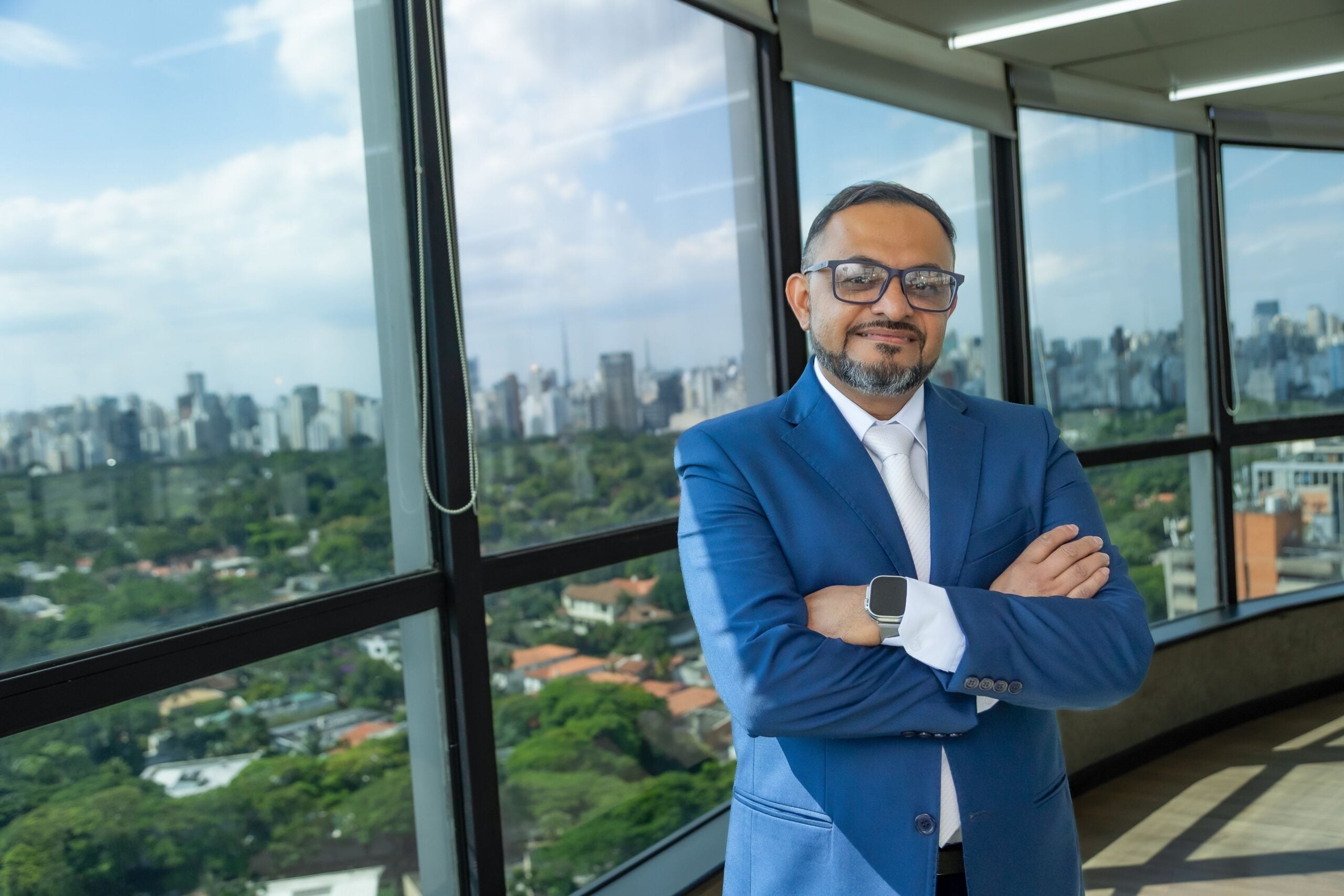
Companies across various industries are embracing smart logistics strategies to optimize their supply chains and reduce operational costs. Marcelo de Farias, a specialist with over 25 years of experience in international trade and logistics, highlights that practices such as real-time data analysis, system integration, and strategic import planning have proven crucial to increasing profitability and maintaining global competitiveness. This trend is especially evident among Brazilian companies, which since 2023 have relied on the consulting services of MR Global Business LLC, where Farias serves as an international buyer and logistics consultant.
Marcelo de Farias has played a key role in transforming the logistics management of companies aiming to expand their international footprint without incurring the expenses of maintaining their own import and export departments. “Our focus is to simplify and optimize. With efficient management, precise supplier location, and detailed cost calculations, we enable operations with lower risk and higher returns,” Farias explains. He leads projects that range from Radar system registration to full logistics process oversight.
According to Farias, smart logistics is built on five essential pillars: detailed supply chain mapping, process automation, data integration between suppliers and buyers, strategic choice of transportation modes, and continuous performance analysis. “A company that thoroughly understands its supply chain can act faster and reduce errors that lead to losses,” he adds.
Among his success stories are cases involving the import of educational technology and DIY products, which Farias managed during his tenure at Importing Commerce Ltda from 2020 to 2023. The innovative logistics approach allowed the company to distribute products across Brazil, becoming a market leader in its segment.
The impact of efficient logistics is also noticeable in mid-sized companies. MR Global Business has supported businesses in the textile, medical equipment, and pet accessories sectors, helping them enter international markets without complex internal structures. “We work to ensure clients have access to reliable suppliers with clearly defined costs. This creates significant savings and reduces delivery times,” Farias notes.
Data from the Brazilian Logistics Association (Abralog) indicate that companies implementing integrated supply chain solutions can cut total logistics costs by up to 30%. Another study, conducted by Deloitte, shows that 79% of executives consider modernizing the supply chain a critical factor for business resilience post-pandemic.
Marcelo is also involved in regional development initiatives, such as participating in the São Paulo East Zone Development Forum, where he offers workshops on international trade and strategic logistics. His goal is to share knowledge and prepare local industries to compete more effectively in the global market.
Throughout his career, Farias has gained valuable experience at companies like Tecnomult do Brasil, MGC Comércio Importação e Exportação, and currently at MR Global Business LLC. His work is marked by innovation in processes, including customized logistics proposals tailored to each client’s unique needs. “There’s no one-size-fits-all formula. Smart logistics means adapting strategies to each operation’s profile, always focused on results,” he emphasizes.
Additionally, the adoption of technology tools has become increasingly prominent. Integrated management systems (ERP), tracking platforms, and predictive software provide full visibility over logistics processes—from origin to final destination. Farias points out that with reliable, real-time data, companies can anticipate demand, correct deviations, and continuously improve supply chain performance.
For the expert, the future of logistics lies in collaboration between companies, suppliers, and technology. “The more connected the links in the chain, the greater the efficiency and competitiveness of the business,” he concludes.
With the growing complexity of international trade and the need for rapid market responses, smart logistics is no longer a competitive advantage—it’s a necessity. Professionals like Marcelo de Farias demonstrate that with technical knowledge, strategic vision, and integrated management, the supply chain can be transformed into a driver of sustainable growth.
By Sophia Ellison

