
Commercial Pest Control Restaurant Food Service Georgia and Tennessee
Commercial pest control restaurant food service Georgia and Tennessee operators invest in isn’t optional in the way that some business expenses are — it’s a fundamental operating requirement for any food service establishment that wants to maintain its health department rating, protect its reputation in an era when a single social media post about a pest sighting can go viral within hours, and avoid the regulatory consequences that pest infestations in food handling environments trigger. Understanding what effective restaurant pest control involves — and why it differs significantly from both residential pest control and generic commercial pest control — helps food service operators make better decisions about protecting their businesses.
Why Restaurants Face Elevated Pest Pressure
Food service establishments create conditions that are extraordinarily attractive to the pest species most problematic in commercial settings — cockroaches, rodents, flies, and stored product pests. The combination of abundant food sources, moisture from cooking and cleaning operations, warmth from commercial kitchen equipment, and the complex infrastructure of a commercial kitchen with its grease traps, floor drains, and equipment-to-wall gaps creates a habitat that pest populations find highly favorable.
Georgia and Tennessee’s climate extends the active season for most pest species compared to northern markets — which means Atlanta and Nashville area restaurants face pest pressure that doesn’t experience the natural winter suppression that provides some relief in colder climates. Year-round pest activity means year-round vigilance rather than the reduced attention some northern operators apply during cooler months.
The consequences of pest activity in a food service environment are also more severe than in most other commercial settings. A single cockroach sighting by a customer — or worse, captured in a photo or video — can produce reputational damage that far exceeds anything a health department violation would generate on its own. And health department violations triggered by pest evidence during inspection can range from required corrective action to temporary closure, with the associated revenue loss and the lasting reputational impact that closure generates even after the underlying issue is resolved.
What Restaurant-Specific Pest Control Actually Involves
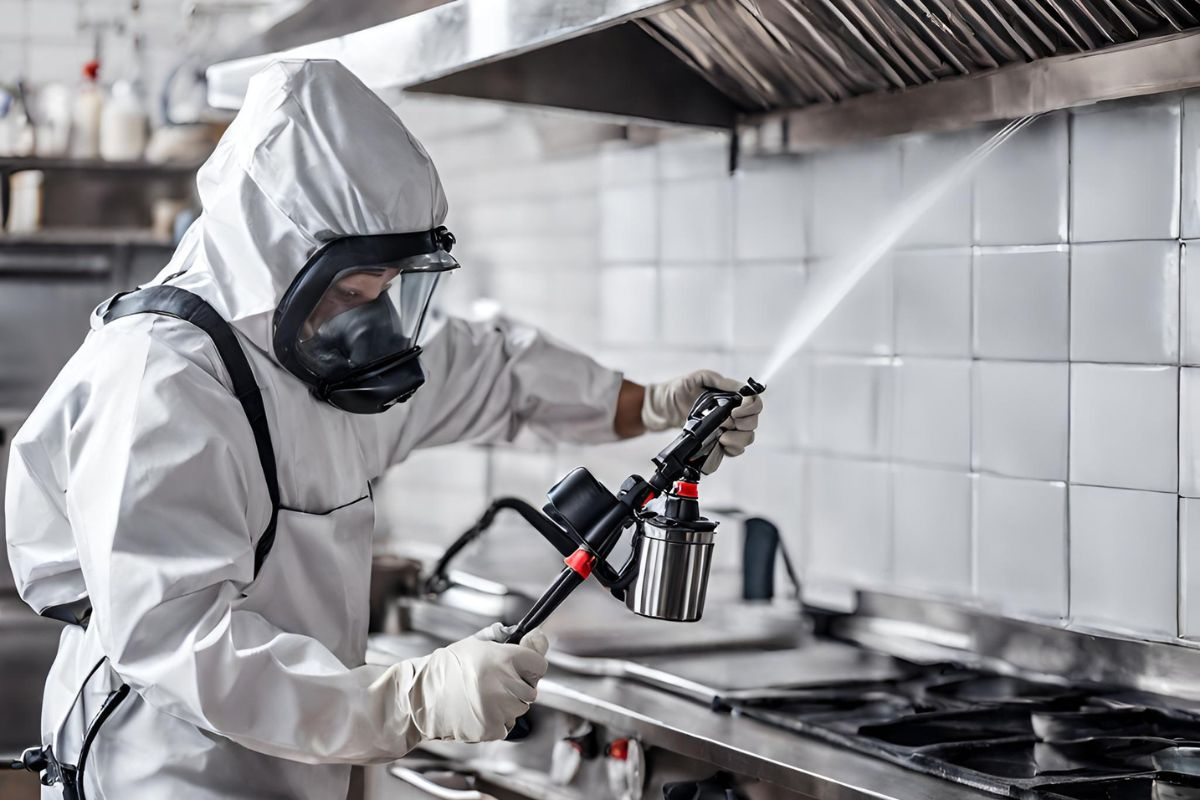
Commercial pest control services for food service establishments operate under constraints that don’t apply to other commercial settings — primarily the requirement to use products and application methods that are safe for use in environments where food is prepared and served, and to maintain documentation that satisfies health department requirements for pest management programs.
Restaurant pest control programs are built around Integrated Pest Management principles that prioritize prevention and monitoring over chemical application — because the opportunities for chemical application in food preparation areas are significantly more limited than in other commercial environments. Identifying and eliminating the conditions that attract and harbor pests, sealing entry points, managing waste and sanitation practices that contribute to pest pressure, and monitoring for early signs of activity are the foundation of restaurant pest management rather than routine broadcast chemical application.

The Health Department Documentation Requirement
One of the most practically important distinctions between restaurant-grade commercial pest control and generic pest control is the documentation system that satisfies health department inspection requirements. Health inspectors in Georgia and Tennessee evaluate pest management programs based on written service records, monitoring data, and evidence that treatments are being applied according to label requirements and in compliance with food safety regulations — not simply on whether a pest control company is under contract.
Eco-friendly residential and commercial pest control programs that include the service documentation system that health departments require — detailed service reports for every visit, monitoring station placement maps, product application records with EPA registration numbers — provide the evidentiary trail that demonstrates a compliant pest management program rather than simply showing that service is occurring.
Common Restaurant Pest Threats in the Southeast
The specific pest threats most relevant to food service operators in Atlanta and Nashville reflect both the regional climate and the specific environment that food service creates. German cockroaches — the most problematic cockroach species in commercial food service — thrive in the warm, humid conditions that commercial kitchen equipment creates and reproduce rapidly enough that small infestations can become large ones quickly without aggressive intervention.
Rodents follow food sources into food service establishments through gaps in building infrastructure that managers rarely systematically evaluate — utility penetrations, gaps at loading dock doors, deteriorated weatherstripping at delivery entrances. Fruit flies that breed in floor drains, bar drains, and accumulated organic matter in hard-to-clean areas represent a persistent summer challenge for Atlanta and Nashville establishments that don’t address the breeding sources alongside the adult fly population.
Building a Program Before Problems Develop
The most effective and most cost-effective commercial pest control restaurant food service program is one established before a pest problem develops rather than in response to one. A proactive program that includes regular monitoring, systematic facility assessment for conducive conditions, and preventive treatment where appropriate costs significantly less than emergency remediation of an established infestation — and avoids the health department and reputational consequences that develop when pest problems are addressed reactively.

