

The 12-Week Uniform Problem Every Youth Sports Club Knows
Ask any youth club director about the worst week of the season and many will describe the same one. It is not a playoff loss. It is uniform week: a spreadsheet of sizes, a stack of unpaid orders, a bulk shipment that arrives with the wrong numbers, and forty families asking when their child’s jersey will show up.
For a volunteer or a small paid staff, that week can swallow more time than practice planning.
Why the old model breaks
The traditional uniform order runs in bulk. A director collects sizes from every family, places one order with a supplier, pays up front or on account, then waits. LA Weekly, citing USA Teamwear, reported that 8 to 12 weeks is standard across the industry for team uniforms. When the boxes arrive, the director sorts them, hands them out and handles every mistake.
Three problems follow from that model. Someone has to front the money. Someone has to collect it back from families. And any sizing error or late registration becomes a second order with its own wait.
How an on-demand team store works
An on-demand store flips the sequence. The club sets up a branded online store with its approved uniform and spirit wear. Each family orders and pays directly, choosing sizes themselves. The supplier produces each order and ships it to the family’s door.
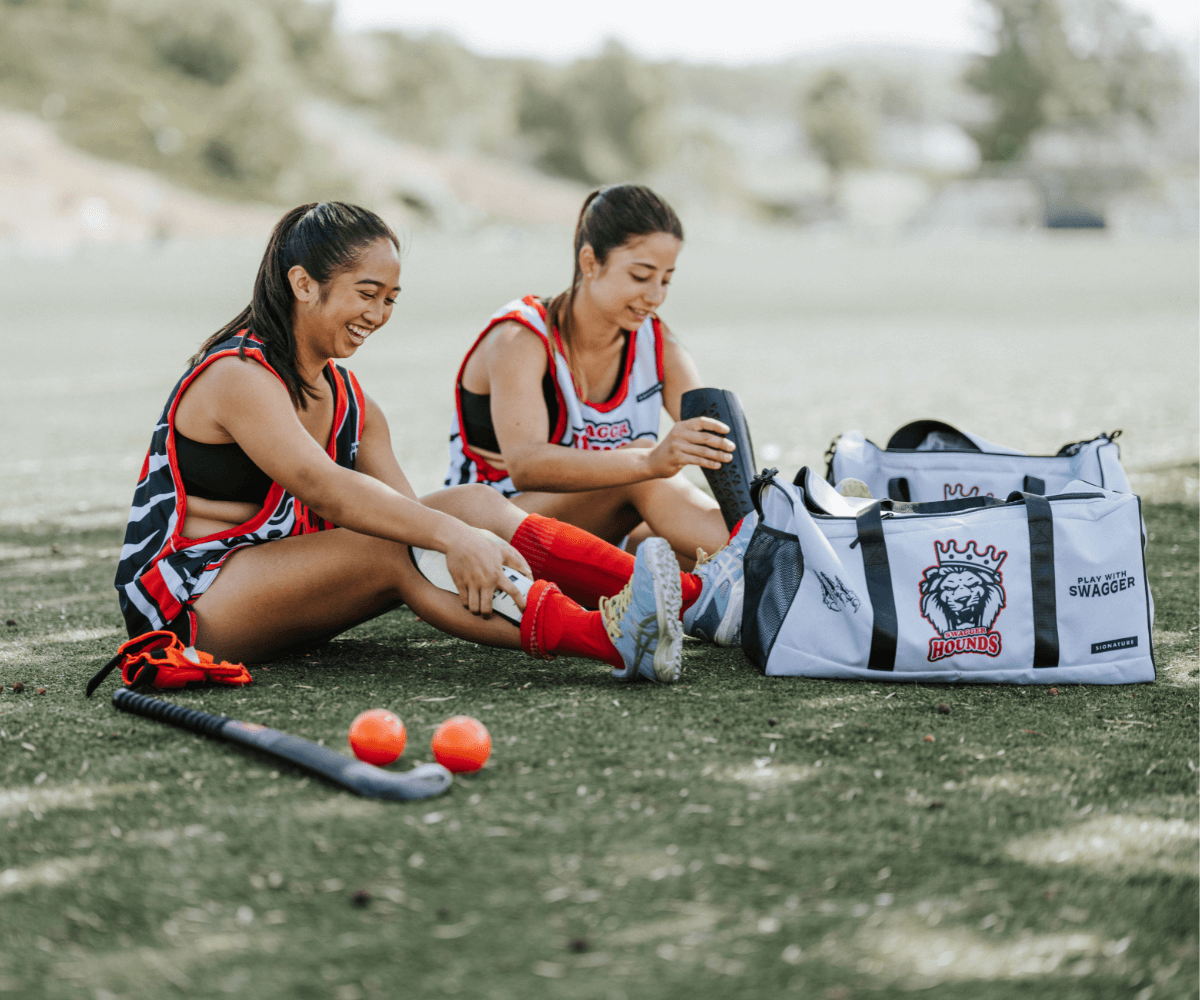
The club director never touches the money or the boxes. A late sign-up orders the same jersey two weeks into the season without a new bulk run.
Signature Locker, the uniform and team store platform run by Tampa-based Signature Athletics, is built on this model. The company says there are no minimum orders and that gear ships directly to each player. In LA Weekly’s August 2026 feature on the company, Signature reported an average delivery time of 13 days, and its website advertises a 21-day turnaround with 99.7 percent order accuracy.
The money that comes back
Team stores also change the economics for the club. Signature Locker returns 10 percent of every order to the program as Signature Dollars, according to the company, which clubs can spend on next season’s uniforms or equipment or use to cover the cost of gear for a family that cannot afford it.
For a club outfitting several hundred players, that rebate becomes a real line in the budget. It also turns a cost centre into a small source of funding without asking parents for anything extra.
Questions to ask any team store provider
- What is the real delivery time? Ask for the average and the worst case in peak season, not only the headline number.
- Who handles returns and exchanges? The answer should not be the club director.
- Are there minimums? A store that requires a minimum order recreates the bulk problem.
- What does the club earn back? Rebates, credits and how they can be spent.
- Can late registrations order the same items? Mid-season sign-ups are the test.
The time it gives back
Signature says programs on its platform save more than 100 hours a year. However the figure plays out at any single club, the direction is clear. Every hour a director spends reconciling sizes is an hour not spent recruiting coaches, planning practices or talking to families.
Uniforms are the most visible part of running a youth program, and for years they have been one of the most manual. Moving the ordering to families and the logistics to a supplier removes a job that never needed to sit with the club in the first place.

