
Total Loss Vehicle Threshold Insurance Virginia: What Drivers Should Know
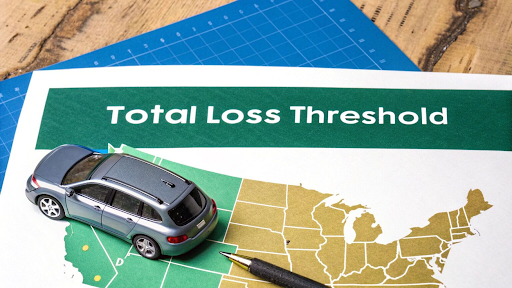
The total loss vehicle threshold insurance Virginia adjusters apply when evaluating accident damage is a number most drivers have never thought about until they’re staring at a damaged car and wondering whether the insurer is going to repair it or declare it a total loss. Understanding how that threshold works, how the total loss determination gets made, and what options exist once it’s made gives drivers meaningful control over a process that otherwise happens to them rather than with them.
What Total Loss Actually Means
A vehicle is declared a total loss when the cost of repairing it exceeds a threshold percentage of its actual cash value — the vehicle’s market value at the time of the accident rather than what was originally paid for it or what remains on a loan. Different states set that threshold differently, and Virginia uses what’s called a total loss formula that compares repair costs plus salvage value to the vehicle’s actual cash value rather than a fixed percentage threshold.
When repair cost plus the amount the insurer would recover by selling the damaged vehicle as salvage exceeds the vehicle’s actual cash value, the insurer declares it a total loss. At that point the insurer pays the actual cash value — minus any applicable deductible — and takes ownership of the vehicle, which then gets a salvage title.
This calculation explains why vehicles with lower market values get totaled at seemingly modest damage levels. A vehicle worth eight thousand dollars that sustains five thousand dollars in damage and has a salvage value of three thousand dollars hits the total loss threshold — five thousand plus three thousand equals eight thousand, which equals the vehicle’s actual cash value — even though the damage might look repairable to a casual observer.
How Actual Cash Value Gets Determined
The actual cash value determination is where the most consequential negotiations in a total loss claim happen, because the ACV figure directly determines how much the insurer pays. Insurers use market data — comparable vehicle sales, valuation tools, condition adjustments — to establish the ACV, and that process isn’t infallible. The specific comparable vehicles used, the condition adjustments applied, and the valuation methodology all affect the final number in ways that aren’t always visible to the claimant.
Virginia drivers who believe an insurer’s ACV determination is low have the right to dispute it, and providing evidence of comparable vehicles selling at higher values in the local market is the most direct approach to that dispute. Documented vehicle history, recent maintenance, and any upgrades or options that affect market value are all relevant to the ACV argument and worth gathering before accepting an insurer’s initial offer.
What Happens After a Total Loss Declaration
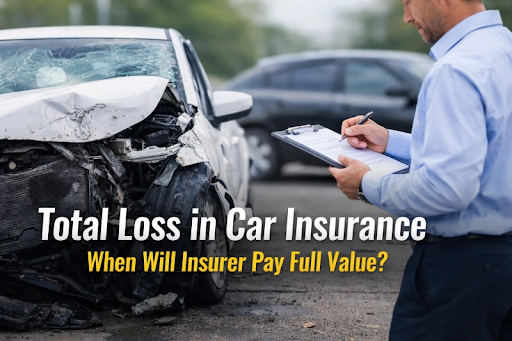
Once a total loss is declared the insurer pays out the ACV, takes the vehicle’s title, and the vehicle gets remarketed as salvage or sold to a rebuilder. For drivers the immediate practical question is replacement transportation — which the total loss settlement needs to address — and whether the settlement amount actually enables the replacement the driver needs.
This is where exploring a wrecked car trade in before the total loss process is finalized sometimes makes sense. For vehicles that are close to the total loss threshold — where repair is technically possible but expensive relative to the vehicle’s value — the trade path can sometimes produce a better outcome than the insurance process delivers, particularly for drivers who want to move quickly into a replacement vehicle rather than waiting through the insurance settlement timeline.
When the Settlement Doesn’t Cover the Loan
The gap between what an insurer pays on a total loss and what’s owed on a vehicle loan is one of the most commonly encountered and least anticipated problems in the total loss process. Vehicles depreciate faster than most loan balances decrease, particularly in the early years of a loan term — which means the ACV at the time of a total loss is frequently lower than the outstanding balance.
Without gap insurance in place, that difference comes out of the driver’s pocket even after the total loss settlement is paid. For Virginia drivers in that situation, understanding all available options — including the trade my car in Virginia path and how it interacts with the existing loan — before the insurance process concludes is what prevents decisions made under time pressure from creating financial problems that outlast the vehicle.
Moving Forward in Roanoke and Richmond
For drivers in the Roanoke and Richmond areas navigating a total loss determination, the Roanoke wrecked car trade in team can help evaluate whether the trade path or the insurance settlement path produces a better outcome for the specific vehicle and situation. That evaluation costs nothing and takes very little time — and it frequently reveals options that drivers didn’t know existed before they assumed the insurance process was the only path forward.

