
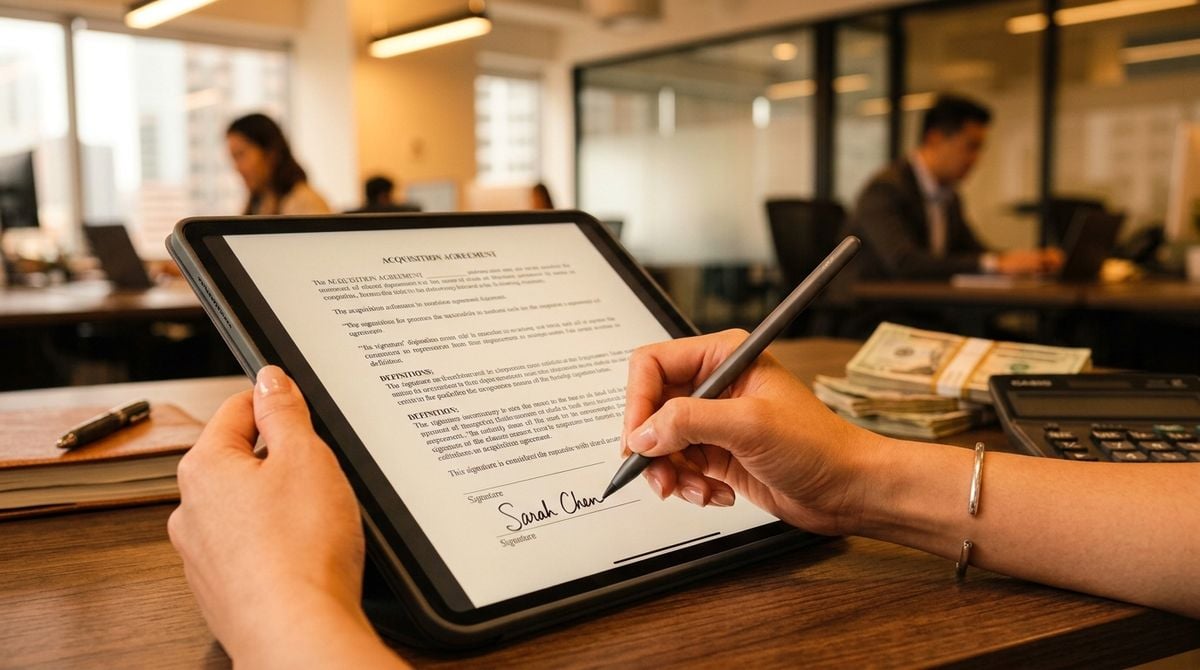
Opening Your First Bank Account After Graduation: Questions to Ask Before Signing
Graduation often brings a new bank account, a new employer, and a set of forms that look more complicated than they are. Many graduates open the first account they see on a campus poster or in a friend’s recommendation, then discover later that the fees, limits, or app features do not suit their needs. Taking time to compare options can save frustration. This article explains the questions worth asking before you sign anything. It offers general information only, so check the terms yourself and speak with a bank representative about your circumstances.
Compare the main account types
Banks offer several types of everyday accounts, and their names can vary from one institution to another. Some accounts focus on daily spending, with a debit card and online transfers. Others are designed for saving, which may pay interest but limit how often you can withdraw money. A few are built for students or recent graduates and include lighter requirements. Start by deciding what you need most: easy access to cash, a simple way to pay bills, or a separate space for savings.
Ask the representative to explain each account in plain language. Readers may also want to visit letterboxd. A short written summary is helpful, and you should keep a copy. If a product sounds similar to another, compare the details side by side rather than relying on memory.
Understand fees and conditions
Fees are the area where many new account holders are surprised. Some accounts charge a monthly maintenance cost unless you meet a condition, such as paying in a minimum amount each month or keeping a certain balance. Others may charge for overdrafts, international payments, cash withdrawals from certain machines, or paper statements. Read the fee schedule before you open the account, and ask which charges are most likely for someone in your situation.
You can also visit geek-foo.net for more reading. A promotional feature that is free in the first year may cost something later. Ask whether the bank will notify you before changes take effect, and where that notice will appear. Keeping a note of the key terms in your phone can help you remember them later.
Check online access and security
Most daily banking now happens through an app or website. Before you open an account, check whether the app is easy to use, whether it shows transactions clearly, and whether you can set alerts for payments and low balances. Alerts are especially helpful during your first year, when you may be learning how much money goes out each week.
Security matters just as much. Choose a strong, unique password for your banking login and turn on any extra verification the bank offers. Never share one-time codes, and be careful with messages that claim to be from the bank and ask for your details. A bank will not normally ask for your full password by message or phone call. For a related read on this site, see Your First Month Back at a Desk After.
Gather the documents you will need
Opening an account usually requires proof of identity and proof of address. Common examples include a passport or national identity card and a recent utility bill or letter confirming your address. Some banks also ask for details of your employment or expected income. Gather originals and clear copies before your appointment, so the process moves quickly.
If you are moving between cities or countries, check in advance whether the bank accepts your documents. Some institutions have stricter rules for new residents, and a short call can prevent delays. Keep copies of everything you submit in a secure folder, since you may need them again when you apply for a loan, rent a flat, or sign a contract.
Set up the account safely from day one
Once the account is open, take a few simple steps. Update your address and contact details immediately, so you receive statements and security messages. Set up a single direct debit for any regular bill you want to manage, rather than many small ones that are easy to forget. If you receive a salary, confirm the payment details with your employer and check the first payment carefully.
Use a checklist for the first month:
1. Confirm the account number and sort code with your employer before the first payment.
2. Turn on transaction alerts in the banking app.
3. Save your customer service phone number and a secure contact channel.
4. Write down the date of any fee that is charged in the first months.
5. Review the first statement line by line to confirm that everything matches.
Keep questions for a qualified financial adviser or a bank staff member as well. Choosing an account is a decision about your daily cash flow, and taking your time now can make the next few years easier to manage.

