
How to Calculate Real Fuel Costs for Your Commute
With fuel prices fluctuating and commuting habits shifting post-pandemic, understanding your true fuel costs has never been more relevant. Whether you’re driving into town twice a week or making a daily round-trip across a sprawling highway, calculating your actual fuel expense helps you budget more precisely, and could even inform your next vehicle purchase.
Here’s how to break it down, step by step.
Step 1: Measure Your Commute Distance
Start with the basics. Use Google Maps or your vehicle’s trip computer to determine the round-trip distance of your commute. Don’t forget to account for side errands, school drop-offs, or detours that are part of your regular route.
For example:
Home to work: 22 km
Round trip: 44 km
5-day week: 220 km/week
Monthly (assuming 4.33 weeks): ~952.6 km/month
Step 2: Know Your Vehicle’s Real-World Fuel Economy
Manufacturers often publish idealized fuel economy numbers, but real-world performance often falls short. Fuel consumption varies with driving conditions, weather, traffic, and vehicle maintenance.
City driving: frequent stops, idling, and lower speeds reduce fuel efficiency.
Highway driving: generally more efficient but depends on speed and terrain.
Look up your vehicle’s actual fuel economy on Natural Resources Canada’s Fuel Consumption Ratings
. Alternatively, track your fuel use manually for two weeks.
Formula:
Litres per 100 km (L/100km) = (Litres used ÷ Kilometres driven) × 100
Step 3: Calculate Monthly Fuel Use
Now multiply your average L/100km figure by your monthly commute distance, then divide by 100.
Example:
Vehicle: 9.5 L/100km
Monthly commute: 952.6 km
Fuel used: (9.5 × 952.6) ÷ 100 = 90.5 litres/month
Step 4: Factor in Fuel Prices
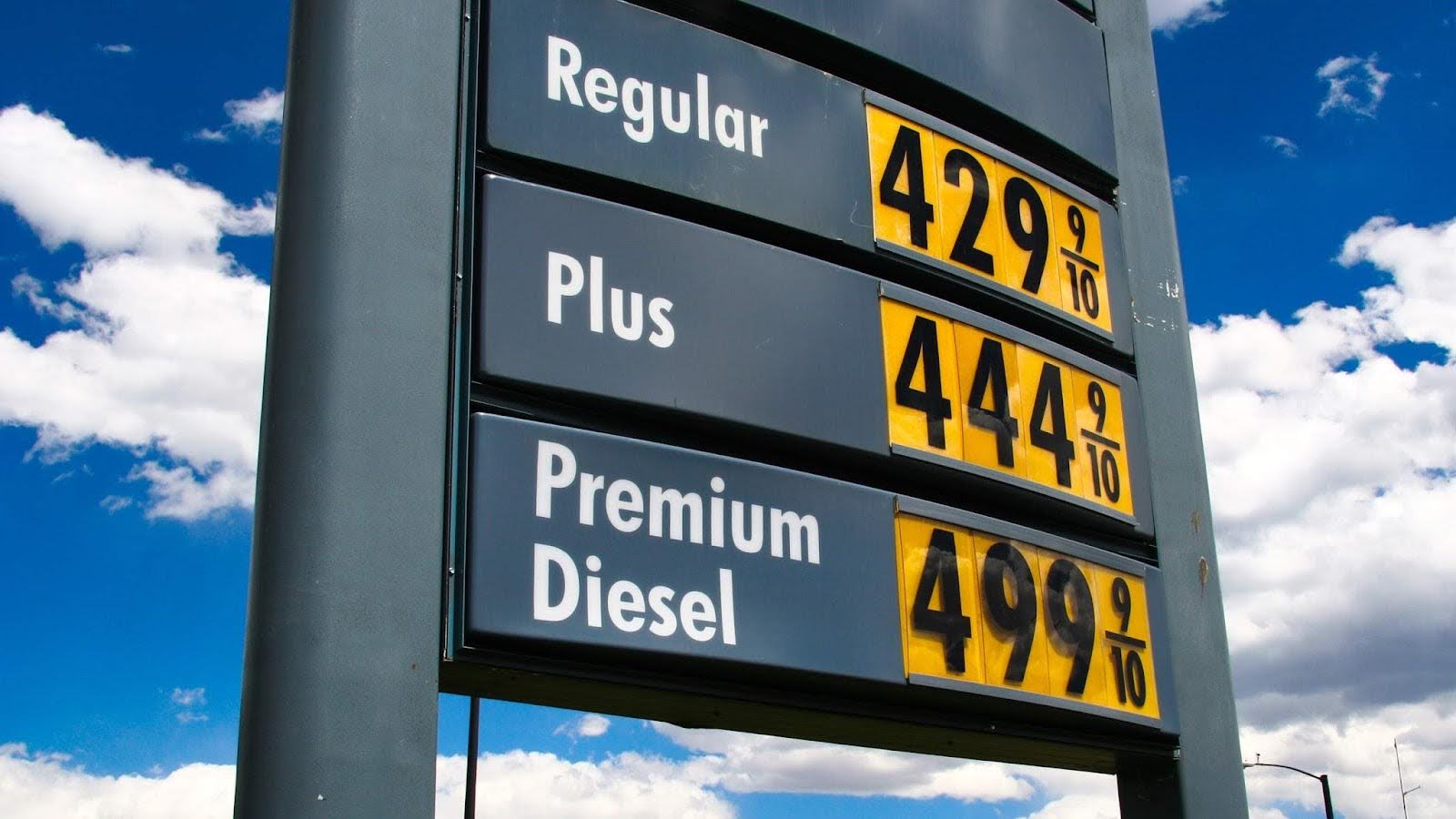
Use current average fuel prices in your region. These are typically available from your local energy board or apps like GasBuddy.
Let’s assume:
Price of regular gas: $1.80/L
Monthly usage: 90.5 L
Fuel cost = 90.5 L × $1.80 = $162.90/month
Note: If you use premium fuel or diesel, adjust accordingly.
Step 5: Account for Variable Factors
Most commuters overlook these hidden costs:
Winter idling: adds 5–10% more fuel use
Tire pressure: underinflated tires can cut efficiency by 3%
Traffic patterns: start-stop traffic increases consumption
Vehicle age: older engines often burn more fuel
Want to avoid higher costs due to aging parts or poor mileage? Consider exploring used cars in Newfoundland
that meet your efficiency and reliability needs.
Step 6: Compare Across Vehicle Types
Use your monthly fuel cost as a benchmark. Now compare it with alternatives:
Hybrid: 5.0 L/100km → $85.73/month
Compact gas car: 7.5 L/100km → $128.60/month
SUV: 11.5 L/100km → $197.52/month
EV: Equivalent cost ~$30/month (charging rates vary)
Not ready to go electric? At Carlantic
, you’ll find fuel-efficient gas and hybrid options that provide better mileage without sacrificing comfort or reliability.
FAQs: Real Fuel Costs
How often should I recalculate my fuel costs?
At least quarterly, or whenever fuel prices change significantly. It’s also smart to reevaluate if your commute pattern shifts.
Is it better to use L/100km or km/L?
In Canada, L/100km is the standard. It allows for easier cost comparisons when fuel prices rise.
Do fuel-efficient cars save money in the long run?
Yes. Even a 2–3 L/100km improvement can save hundreds annually. Use fuel cost calculators to model scenarios before you buy.
Are hybrid cars worth the premium?
Often, yes, especially for city commuters. The initial cost difference can be recouped in 3–5 years through fuel savings alone.
What about plug-in hybrids or EVs?
EVs have far lower per-km energy costs. But savings depend on charging access, electricity rates, and government rebates.
Final Word
Calculating real fuel costs isn’t just a budgeting exercise, it’s a smart planning tool. Whether you’re deciding between keeping your vehicle or upgrading to a more efficient model, understanding your fuel spend gives you leverage.
And if your current commute is draining your wallet more than expected, don’t just accept it. Run the numbers, review your options, and consider switching to a vehicle that aligns better with your financial goals. Carlantic offers a curated selection of used cars in Newfoundland, including hybrids and compacts, that can slash your monthly costs without compromising quality.

