
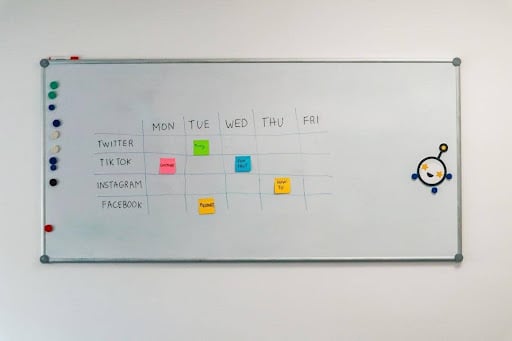
Glass Versus Traditional Whiteboards: Which Belongs in Your Space?
Glass dry erase boards have become a popular alternative to traditional whiteboards in modern offices and schools. Both serve the same basic purpose, yet they differ in durability, appearance, and cost. Choosing between them depends on how a space is used and the impression it should make.
Understanding the practical differences helps specifiers avoid buyer’s remorse. Each option suits particular settings better than the other. A clear comparison guides a confident decision.
What Makes Glass Boards Different?
Glass dry erase boards use a tempered glass writing surface rather than coated steel or laminate. That surface resists staining and ghosting almost entirely, staying clear over years of use. The material gives glass its signature durability and clean appearance.
The premium surface also writes and erases smoothly. Markers wipe away without leaving shadows. These traits distinguish glass from conventional boards.
How Do Traditional Whiteboards Compare?
Traditional whiteboards rely on painted steel, porcelain enamel, or laminate surfaces. Quality varies widely, with porcelain lasting far longer than basic laminate. Lower-end boards can ghost and stain over time.
Facilities prioritizing longevity and a clean look often choose glass dry erase boards because the tempered surface resists ghosting and staining that wear down traditional boards, keeping the writing area clear for years. The durability suits high-use rooms well.
Porcelain enamel boards remain a strong traditional option. They offer durability approaching glass at lower cost. The traditional category spans a wide quality range.
How Do They Compare on Key Factors?
Several factors distinguish the two options in practice. The main points of comparison include:
- Glass resists ghosting and staining almost completely
- Traditional boards range from economical to durable
- Glass offers a premium, modern appearance
- Porcelain enamel rivals glass for longevity
- Cost typically favors traditional surfaces upfront
Glass leads on appearance and stain resistance. Traditional boards lead on upfront affordability. The priorities of the space decide between them.
Which Suits Modern Offices?
Modern offices often favor glass for its clean, contemporary look. Frameless glass boards suit minimalist design and project polish. Their durability supports frequent collaborative use.
The premium appearance reinforces a professional image. Glass reads as an intentional design choice. Aesthetics often tip offices toward it.
Which Suits Schools and High Use?
Schools and heavy-use settings weigh durability against budget closely. Porcelain enamel offers excellent longevity at a lower price than glass. It withstands constant classroom use well.
Glass also performs in these settings where budget allows. Both resist the wear that degrades cheaper boards. The decision often comes down to funding.
How Does Cost Factor In?
Cost is a real consideration in the comparison. Glass typically carries a higher upfront price than most traditional boards. Porcelain enamel sits between basic laminate and glass.
Longevity can offset glass’s higher cost over time. A board that never needs replacing earns its price. Specifiers weigh upfront against lifespan.
What Should Specifiers Choose?
Specifiers should match the board to the room’s use and image goals. Glass suits modern offices prioritizing appearance and durability. Porcelain enamel serves high-use settings on tighter budgets.
Clarifying priorities simplifies the choice. Where polish matters, glass leads, and where value rules, porcelain competes. Either can serve well when matched correctly.
How Does Magnetic Capability Compare?
Magnetic capability distinguishes some boards from others. Painted steel and certain glass boards accept magnets for posting materials. That feature adds flexibility many rooms value.
Standard glass and some surfaces are not magnetic. Specifiers confirm this detail when posting matters. Matching capability to need avoids disappointment.
How Does Board Choice Affect a Room’s Acoustic Properties?
Hard glass and porcelain surfaces reflect sound somewhat differently than softer laminate boards, a minor but real consideration in rooms already dealing with acoustic challenges from hard flooring or high ceilings. This effect is rarely significant enough to drive the decision alone but is worth noting in acoustically sensitive spaces.
Specifiers working on rooms with known acoustic issues can address this through complementary treatments elsewhere in the room, such as ceiling panels or flooring choices, rather than letting it override the board material decision on its own.
Glass and traditional whiteboards each have a place, differing in durability, appearance, and cost. Matching the surface to the room’s use and image leads to the right choice.
How Does Installation Differ Between Glass and Traditional Boards?
Glass boards are generally heavier than traditional whiteboards and require more robust wall mounting, sometimes necessitating additional structural blocking that a lighter traditional board would not need. This installation difference should factor into project planning and budgeting alongside the material cost itself.
Specifiers should confirm wall construction can support the intended glass board size before finalizing the specification, particularly in renovation projects where existing wall conditions may not have been built with this load in mind.
What Safety Considerations Apply to Glass Boards?
Reputable glass board manufacturers use tempered safety glass specifically engineered to resist shattering and, in the rare event of breakage, to fragment into small, less hazardous pieces rather than large shards. Confirming this specification is a reasonable precaution, particularly in settings with children or high foot traffic.
Mounting hardware rated for the specific weight and size of the chosen glass board further reduces risk. Cutting corners on mounting hardware to save cost is a poor trade against the safety margin it provides.
For specifiers, the practical lesson is to weigh appearance and longevity against budget. The board that fits the space serves it best for years.

