
Eco-Friendly Waste Surface Encapsulation Technologies Explained
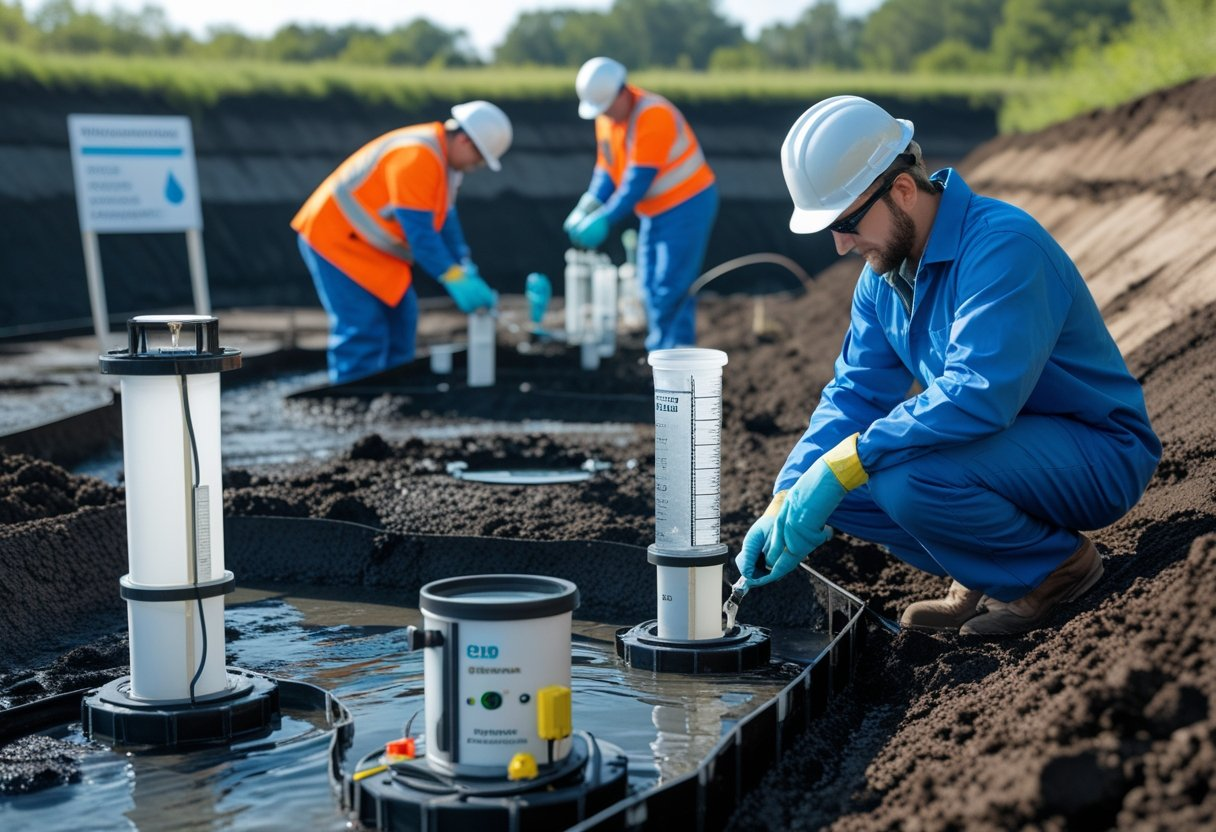
Industrial remediation faces mounting challenges—ranging from hydrocarbon contamination to vapor intrusion and regulatory compliance pressures. As governments and industries seek environmentally responsible solutions to mitigate odor emissions and manage contaminated sites, Remedia Global provides structured, science-backed technologies that address these needs. Leveraging green chemistry and field-tested methodologies, the company supports clients in achieving environmental compliance while reducing community impact. Among its key innovations is Remedia™ Liqui‑Shell, an aqueous, green alternative that delivers effective surface encapsulation and odor/vapor containment. These solutions reflect the company’s broader commitment to eco-friendly waste management technology.
Environmental remediation refers to the systematic process of reducing, controlling, or eliminating environmental hazards—such as contaminants, odors, or vapors—from impacted sites. It plays a vital role in managing risk, meeting regulatory requirements, and improving site safety. Remediation technologies are not singular solutions but rather components of a broader, site-specific strategy. These interventions combine application methods, material science, and operational controls to manage the behavior and migration of pollutants. Remedia Global approaches remediation as a structured, adaptive process focused on environmental stewardship and operational integrity.
Source Control
Effective remediation begins with identifying and addressing the source of contamination. Whether the concern is hydrocarbons, industrial waste, or other pollutants, controlling the source reduces future risk and simplifies downstream treatment efforts.
Containment and Stabilization
To prevent the migration of vapors or contaminants, containment methods are deployed. These strategies often involve capping, sealing, or stabilizing surfaces to minimize exposure pathways and environmental impact.
Treatment and Mitigation
Once stabilized, the environment can be treated using controlled processes that either neutralize or isolate harmful substances. Remedia Global emphasizes the use of non-invasive, surface-level solutions that operate within a defined scope of control, guided by environmental compliance frameworks.
A comprehensive remediation system integrates several core components. Application systems—such as surface sprayers or field-deployable units—deliver treatment materials efficiently and uniformly across target zones. These systems apply formulations like Remedia™ Liqui‑Shell, designed to function as a protective barrier. Treatment agents are engineered to encapsulate, suppress, or stabilize contaminants without introducing new risks. Supporting infrastructure includes monitoring protocols, project documentation, and on-site controls to ensure performance consistency and regulatory alignment. Together, these components form a cohesive strategy tailored to each site’s unique environmental conditions.
Remedia Global is a developer and supplier of environmental remediation technologies, focused on surface-level interventions for odor, vapor, and contaminant control. Established with a mission to support environmentally responsible infrastructure, the company has evolved from its founding in the United States to include operations and project support internationally. With manufacturing and technical teams located in North America and Europe, Remedia Global addresses regulatory and site-specific needs across multiple continents. Its solutions are designed for use in construction, oil and gas, utilities, and environmental contracting sectors. The company’s product line includes Remedia™ Liqui‑Shell, which serves as an aqueous, green alternative for surface encapsulation and vapor suppression.
Remedia Global provides surface encapsulation and containment solutions aimed at controlling odors, vapors, and contaminants across a range of industrial and environmental settings. The technologies are formulated for use in areas impacted by hydrocarbon presence, contaminated soil, and volatile emissions, especially in construction, oilfield, and remediation operations. Systems typically include an aqueous-based treatment material combined with field-ready application equipment, such as spray rigs or tank systems. These systems are designed for rapid deployment and require minimal site preparation. Once applied, the treatment forms a barrier that stabilizes the affected surface, helping to minimize exposure and migration. Remedia’s solutions are non-invasive and integrate easily into existing site workflows, enabling continuous operation while addressing environmental concerns.
Remedia’s product applications focus on surface-level containment in environments where vapor control and contaminant suppression are critical. These include active construction sites, legacy oilfield operations, and environmental cleanup zones. One example is the use of engineered liquid encapsulants that form physical barriers over impacted areas. Designed to suppress vapor and odor emissions, these materials are applied via standard spray equipment and adhere to a variety of soil or surface conditions. The systems are intended for temporary or semi-permanent use depending on project requirements. Their modular nature allows for scalability, whether addressing localized contamination hotspots or broader site stabilization efforts. Remedia’s approach supports both planned remediation projects and reactive containment needs under regulatory oversight.
Assessment and Planning
Each remediation project begins with a site-specific assessment to understand the nature and extent of vapor or contaminant concerns. This includes identifying emission sources and defining operational parameters.
Deployment and Implementation
Based on the site analysis, surface treatment systems are selected and deployed. Liquid encapsulants are applied using portable sprayers, hydroseeders, or truck-mounted systems. Applications are tailored to soil conditions, weather, and project timelines.
Monitoring and Operational Considerations
Ongoing monitoring ensures that the treatment remains effective and aligned with site goals. Remedia Global supports its technologies with deployment guides and site-specific technical input to assist environmental contractors and compliance teams throughout the operational lifecycle.
Remedia’s surface remediation technologies are used across a wide range of industrial and environmental contexts. In industrial and manufacturing facilities, they help manage odor and vapor emissions from exposed soil or waste stockpiles. At hydrocarbon-impacted sites, such as oilfields and refineries, the technologies are deployed to suppress volatile emissions and isolate contaminated zones. Waste management and transfer facilities use the systems for surface stabilization and vapor containment during operations or temporary storage. In environmental restoration projects, particularly those governed by regulatory oversight, the treatments are used as part of broader containment or stabilization efforts. Applications are adaptable to various terrains, including soil, sand, clay, and composite surfaces, and are suitable for short-term or semi-permanent use. The modular deployment enables integration into remediation workflows without disrupting core operations.
Remedia’s systems are designed for safe, surface-level application under typical field conditions without requiring soil excavation or thermal treatment. They are compatible with standard environmental protocols and are engineered to align with regulatory compliance objectives across jurisdictions. Application is subject to ambient weather and surface conditions, with guidance provided to ensure optimal deployment. Materials are non-flammable and water-based, supporting safer environmental handling. While they do not require long curing times, coverage rates and durability depend on site-specific variables. As part of its product development strategy, Remedia Global positions its formulations to reduce the environmental footprint of traditional remediation processes and contribute to sustainability objectives—including green aqueous technology adoption.
Remedia technologies are engineered for straightforward integration into field operations. Deployment logistics support a range of delivery systems, including truck-mounted sprayers, hydroseeders, and portable units. The treatment materials are supplied in pre-mixed or concentrate forms, with storage in sealed containers under standard site conditions. These formulations are non-flammable and water-based, reducing handling complexity. Compatibility with existing infrastructure—such as containment berms, liners, or temporary capping systems—allows flexible use. Remedia Global provides technical support materials and operational guidance to contractors and site teams, ensuring safe, consistent application and material management across diverse environmental conditions.
Frequently Asked Questions (FAQs)
What is environmental remediation?
Environmental remediation is the process of treating, containing, or isolating pollutants and environmental hazards to reduce risks to human health and ecosystems.
Where is remediation typically applied?
Remediation is commonly used in industrial sites, oilfields, landfills, contaminated soil zones, and areas requiring regulatory cleanup or restoration measures.
Are these technologies safe to handle?
Yes. Remedia’s materials are non-flammable and aqueous-based, requiring no thermal treatment or hazardous chemical handling. Standard PPE and site safety protocols are recommended.
What infrastructure is needed for deployment?
The systems are compatible with common field equipment like hydroseeders, sprayers, and tanks. No excavation or permanent installation is required.
How does this compare to traditional remediation methods?
Unlike excavation or thermal destruction, surface-level treatments like Remedia™ Liqui‑Shell offer non-invasive alternatives that support site operations with minimal disruption.
What is the environmental impact of using these systems?
The systems are designed to limit contaminant migration and surface emissions. Being water-based and applied at the surface, they reduce the need for deeper intervention and are aligned with sustainability goals—especially for soil stabilization solution applications.
Environmental remediation remains a critical component of responsible site management across regulated industries. As environmental requirements evolve and industrial activities intersect with community and ecological interests, remediation technologies offer a practical framework for minimizing exposure and maintaining operational continuity. The ability to implement non-invasive surface-level interventions that address odors, vapors, and contaminants supports broader environmental planning goals and risk mitigation protocols. With field-deployable systems and adaptable treatment formulations, organizations can integrate these tools into both proactive and responsive site strategies. Remedia Global continues to support contractors, engineers, and regulatory stakeholders through product availability, technical documentation, and operational guidance aligned with jurisdictional compliance standards.
Surface encapsulation technologies have become an increasingly relevant tool within modern environmental remediation strategies, particularly where non-invasive control of odors, vapors, and surface contamination is required. As regulatory expectations, sustainability considerations, and operational constraints continue to shape remediation planning, these solutions offer a practical means of managing environmental risk while maintaining site functionality. Remedia Global’s work in surface-level containment reflects an emphasis on engineered simplicity, regulatory compatibility, and responsible material use. Through continued collaboration with contractors, engineers, and environmental professionals, the company supports remediation efforts that balance technical performance, environmental stewardship, and real-world field conditions across diverse industrial and regulated environments.

