
Could Neighborhood Retailers Become America’s Next Financial Hubs?
Photo By: Matthew Zheng
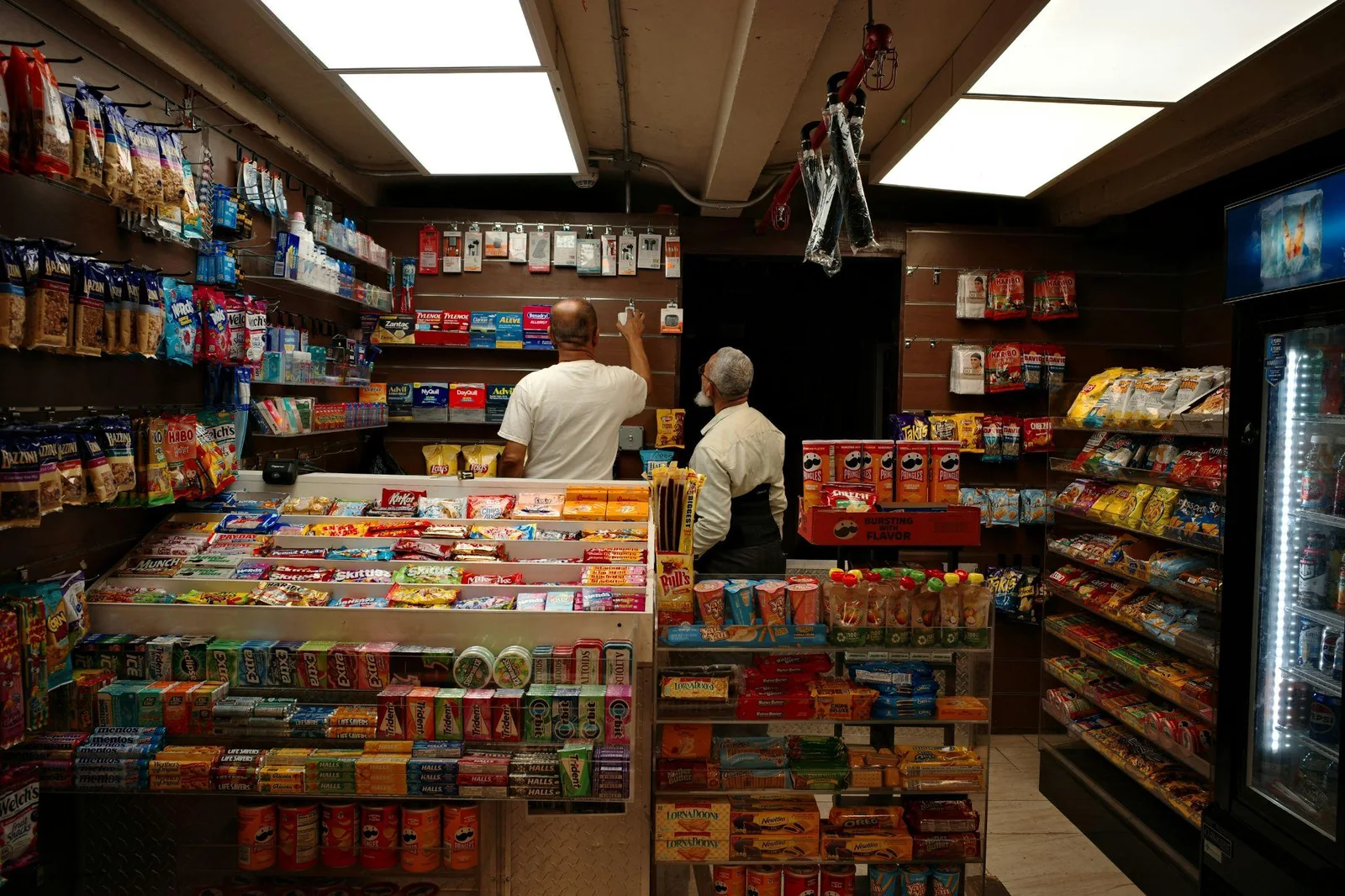
A convenience store may soon offer customers more than fuel, snacks and groceries. The same location could also become a place to pay utility bills, withdraw cash, transfer money or connect physical cash with digital financial services.
For retailers, that possibility introduces a new business opportunity: offering services that bring customers back for reasons beyond everyday purchases.
For consumers, it could mean handling essential financial transactions in places they already visit. As banking becomes increasingly digital, neighborhood retailers may have an opportunity to fill a practical gap between traditional financial institutions and the everyday transactions that still require physical access.
Why Financial Services Are Moving Beyond Bank Branches
Digital banking has made many transactions easier, but it has not eliminated the need for cash or in-person financial services.
The shift is substantial: Federal Reserve research found that noncash payments more than tripled since 2000, even as physical financial transactions remain part of everyday life. Consumers still receive checks, pay bills in cash, send money to relatives and need access to funds outside normal banking hours.
“These aren’t unusual financial needs. They’re everyday situations that traditional banking and digital-only platforms don’t always address conveniently,” said Michael Herron, CEO and President of PointsKash, a fintech platform that converts loyalty rewards into spendable cash.
Herron argues that the challenge is not necessarily a shortage of financial products, but the fragmentation of those services across providers and locations. Neighborhood retailers offer an alternative because they are already part of consumers’ daily routines.
According to NACS, there are 151,975 convenience stores in the United States, providing an extensive existing retail footprint for potential financial-service access points.
“Instead of asking people to change where they go to access financial services, why not bring those services to the places they’re already visiting?” Herron said.
For convenience stores, gas stations and grocery stores, that approach could expand their role beyond traditional retail.
A New Revenue Opportunity for Neighborhood Retailers
The business case begins with a familiar retail challenge: giving customers additional reasons to visit.
A convenience store typically generates revenue through fuel, beverages, snacks and other purchases. Adding financial services could introduce another category of transactions.
“Now imagine that same location also giving customers access to bill payments, cash withdrawals, money transfers, digital wallet funding, and other financial services,” Herron said.
Unlike occasional retail purchases, certain financial transactions may recur throughout the month.
That creates opportunities for additional foot traffic, service-related revenue and stronger customer relationships. Customers visiting for financial services might also purchase traditional retail products, although the extent of those benefits would depend on the location and business model.
“Suddenly, that retailer is offering something much more valuable than another product on a shelf. They’re providing a service that customers may need repeatedly throughout the month,” Herron explained.
Still, the opportunity depends on making the service practical for merchants. “Retailers shouldn’t have to become banks or financial technology experts to participate.”
Financial Services Bring New Responsibilities
Expanding into financial services is not as straightforward as adding another product category. Transactions involving money require safeguards that differ from ordinary retail operations.
“Security, customer identity verification, fraud prevention, cash management, consumer protection, and regulatory compliance all have to be addressed properly,” Herron said.
Depending on the services offered, retailers and technology providers may also need to work with appropriately licensed or regulated financial institutions. That makes the operating model particularly important.
Herron says his company aims to provide technology, coordinate financial-service integrations and work with banking and operational partners so merchants can remain focused on running their businesses.
But technology partnerships do not eliminate the need for oversight, reliable cash handling or clearly defined responsibilities.
“We take those responsibilities seriously because trust is everything when you’re handling people’s money,” he said.
For retailers considering financial services, the potential revenue opportunity must therefore be weighed against the practical requirements of providing a dependable service.
From Standalone ATMs to Connected Financial Platforms
ATMs have long demonstrated that certain banking transactions can happen outside traditional branches.
Newer financial technology could extend that model by combining several functions within a single retail access point.
PointsKash is developing its KashPoint platform around that approach, with configurations intended for different retail environments.
Its KashPoint Pro kiosks are designed to support a broader range of financial transactions, while KashPoint Lite and KashPoint Express are intended for locations where a full-sized kiosk may not be practical.
Depending on the configuration, integrations and regulatory approvals, supported services could include cash withdrawals, bill payments, check cashing, money transfers and digital wallet funding.
The company’s PK Pay application is also designed to connect physical transactions with digital financial services.
“The easiest way to explain PointsKash is that we’re building a bridge between America’s physical cash economy and the digital financial world,” Herron said.
The distinction matters for retailers because different locations have different needs.
A large grocery chain may have the space and customer demand for a broader service offering, while a small independent store may need a more limited configuration.
“Our platform is designed to adapt to those differences,” Herron said.
What Would Make Retail Financial Services Reliable?
For retail-based financial services to become a dependable part of America’s financial infrastructure, Herron identifies three requirements: accessibility, trust and consistency.
“People need to know these services are available where and when they need them. They need confidence that their money and personal information are protected. And they need an experience that works reliably, whether they’re in a major city or a small town.”
Achieving that requires more than installing equipment.
Banking relationships, regulatory oversight, dependable technology, cash logistics and retailer participation all contribute to whether a service can operate reliably.
The challenge is creating an experience that consumers can trust while keeping the model manageable for merchants.
The Store as a Financial Access Point
Neighborhood retailers are unlikely to replace banks, but they could become more important places for completing everyday financial transactions.
For merchants, the opportunity lies in providing services that complement their existing business and potentially encourage repeat visits.
For consumers, the benefit could be greater convenience when accessing and moving money.
As Herron puts it, “For us, this isn’t simply about putting more machines into stores. It’s about making financial services more accessible, giving retailers new opportunities to grow, and helping bridge a gap that has existed in our financial system for far too long.”
The next evolution of neighborhood retail may be defined as much by the services customers can access as by the products they can buy.

