
Exploring Public Botanical Gardens on Your Next Vacation
Travel itineraries often revolve around famous art museums, historic monuments, and bustling culinary districts, yet some of the most restorative travel experiences wait quietly behind conservatory gates. Public botanical gardens offer travelers an immediate sanctuary where regional history, architectural design, and living science converge along shaded walking paths. Whether tucked into the center of a metropolis or perched along a coastal bluff, these cultivated landscapes showcase how local communities interact with their natural environment. Stepping onto a garden trail allows visitors to slow their walking pace and absorb the distinct character of a destination through its native and exotic flora.
Beyond providing a peaceful afternoon stroll, botanical collections serve as living libraries that preserve rare plant species and demonstrate sustainable horticulture. Travelers who spend time observing regional plant beds return home with a richer appreciation for climate adaptation, soil stewardship, and outdoor aesthetics. Even casual sightseers with minimal gardening experience find themselves captivated by towering glasshouses, fragrant herb courtyards, and tranquil water features. Incorporating green spaces into a vacation schedule balances the high energy of urban sightseeing with quiet moments of natural discovery.
Planning an Itinerary Around Regional Flora
Mapping out a memorable garden tour starts long before packing a suitcase or booking local transit. Readers may also want to visit blogsup.net. Many public sanctuaries divide their acreage into distinct ecological zones, allowing visitors to wander from arid succulent rockeries into humid tropical conservatories within a single morning. Checking trail maps and guided walking schedules ahead of arrival helps sightseers prioritize the collections that match their personal interests.
Selecting the right time of day for a visit dramatically changes the atmosphere inside the gates. Early morning hours bring cool air, soft light for photography, and lively birdsong before larger tour groups arrive at the main entrance. Late afternoon visits offer long shadows across manicured lawns and a gentle transition into evening as fragrant night-blooming plants begin to open. Packing comfortable walking shoes, a refillable water bottle, and a small notebook ensures that visitors can explore sprawling hillside paths without discomfort.
Seasonal Timing and Microclimate Highlights
Every season transforms the visual texture of a public landscape, meaning no two visits to a botanical collection ever look identical. You can also visit bizguidemw.com for more reading. Summer tours often focus on shaded woodland glens, aquatic lily ponds, and high-altitude alpine beds that thrive in warm sunshine. Even winter travel holds strong appeal at destinations featuring historic glass conservatories filled with blooming orchids, citrus trees, and towering ferns.
Microclimates within a single property also create surprising pockets of biodiversity worth seeking out during a walk. Sunken stone quarries, sheltered courtyard walls, and misted stream banks allow horticulturists to cultivate delicate specimens that would never survive in an exposed field nearby. Observing how garden designers use stone walls to trap daytime heat or plant dense evergreens as windbreaks reveals clever lessons in environmental adaptation. Paying attention to these subtle landscape features turns a simple walk into a fascinating study of natural engineering.
Gathering Design Inspiration for Home Landscapes
One of the greatest joys of visiting world-class plant collections is bringing fresh creative ideas back to a personal yard or balcony. For a related read on this site, see How to Transition Company Operations After Buying a. A sprawling perennial border at a public park might inspire a homeowner to group three complementary flower varieties inside a corner garden bed. Similarly, a formal courtyard herb garden can spark ideas for arranging terracotta pots and climbing trellises on a sunny apartment patio.
Taking detailed notes on plant tags during a tour saves guesswork when visiting a neighborhood nursery back home. Public gardens label their specimens with both common names and Latin botanical classifications, along with notes on native habitats and sun preferences. Writing down the exact botanical name allows travelers to research whether a captivating shrub or ornamental grass suits their own local climate zone. Sketching pathway curves, bench placements, and foliage color combinations also captures design principles that photographs alone sometimes miss.
- Botanical Latin names recorded directly from display plaques for accurate plant matching
- Combinations of foliage textures pairing broad leaves alongside fine ornamental grasses
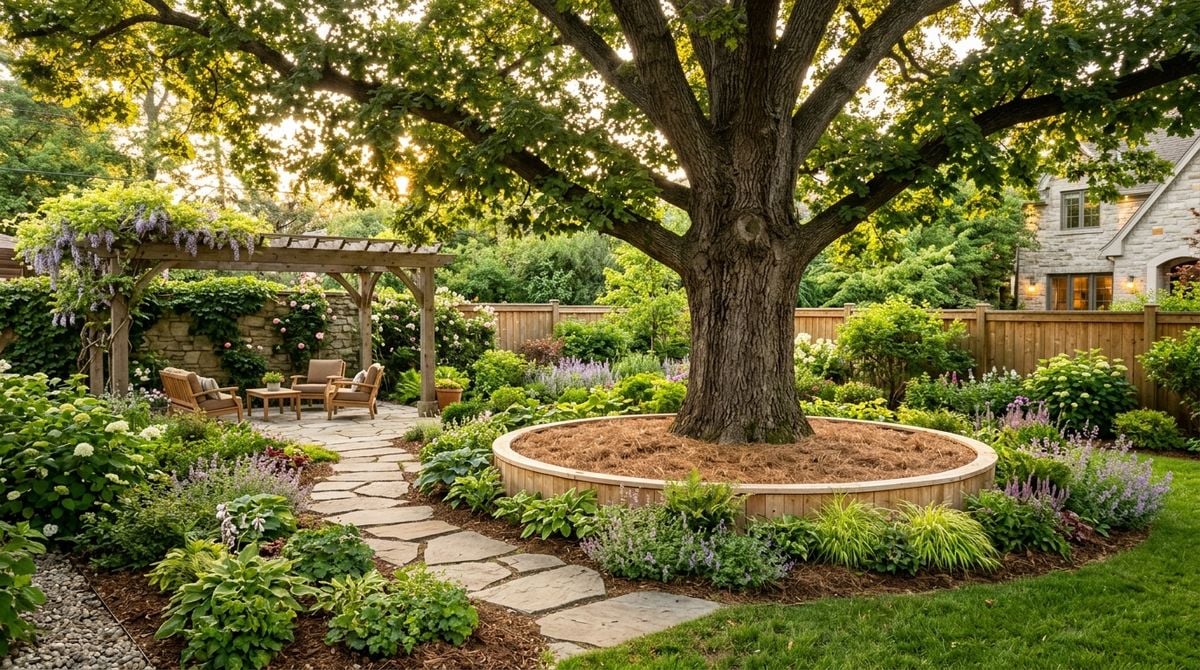
- Hardscape transitions using gravel paths, timber arbors, and natural stone edging
- Container arrangements demonstrating how thriller, filler, and spiller plants balance a pot
Keeping Houseplants Healthy During Extended Trips
For avid gardeners, the excitement of leaving on a trip often comes with mild concern about the potted plants and garden beds left behind at home. Preparing indoor greenery and outdoor containers before locking the front door prevents wilting and stress while the household is away. Grouping indoor pots together in a bright room away from direct window glass creates a shared pocket of humidity that slows moisture evaporation from the soil. Watering thoroughly right before departure and placing pebble trays beneath drainage saucers keeps roots hydrated during short absences.
Longer vacations call for simple watering solutions and help from a trusted neighbor or friend. Self-watering ceramic spikes, cotton wicking cords dipped into water pitchers, and programmable drip timers on outdoor patios deliver steady moisture without saturating the roots. Trimming back faded blossoms and pinching off fast-growing shoots before leaving also reduces the overall water demand of thirsty container plants. Clear labels showing which pots need water and which desert succulents prefer to stay completely dry make plant care easy for any visiting house sitter.
Bringing Botanical Memories Back to Everyday Life
Great travel experiences linger long after the suitcases are unpacked, and garden visits leave a particularly lasting impression on daily life. Every time a homeowner tends a newly planted perennial border or rearranges patio containers inspired by a vacation conservatory, the peace of that journey returns. Public gardens remind travelers that beauty grows through patience, seasonal rhythm, and careful attention to the surrounding environment. Making room for botanical sanctuaries on every travel itinerary enriches both the journey abroad and the green spaces waiting at home.

