
How Do I Get My House Tested for Mold?
Getting your house tested for mold starts with hiring a certified inspector. DIY kits give unreliable results and cannot locate hidden growth inside walls, HVAC systems, or under flooring. A professional mold inspection connects you with certified inspectors who use air sampling, moisture meters, and lab analysis to confirm what is present and where. If you suspect mold from odors, water damage, or worsening indoor symptoms, professional testing is the only method that produces actionable, documented results.
What Triggers the Need for Mold Testing
Most homeowners schedule mold testing after a specific event or pattern of symptoms. Knowing the common triggers helps you decide whether testing is the right next step.
Common reasons to get your house tested:
- Recent flooding, roof leak, or plumbing failure
- Persistent musty odor that does not go away with cleaning
- Visible staining or discoloration on walls and ceilings
- Allergy or respiratory symptoms that improve when you leave the house
- Buying or selling a property and needing documented results
- Previous mold remediation with no clearance test performed
Water damage warrants immediate testing since mold colonization begins within 24 to 48 hours of moisture exposure. The longer testing is delayed, the harder it becomes to trace the original moisture source.
Choosing a Certified Mold Inspector
Certification separates qualified inspectors from unqualified ones. Look for credentials from the American Council for Accredited Certification (ACAC) or the Indoor Air Quality Association (IAQA). Both require documented training in sampling protocols, moisture diagnostics, and report writing.
Always ask whether the inspector uses a third-party laboratory for sample analysis. Third-party accredited labs provide unbiased species identification and spore counts. Confirm the lab holds accreditation from the American Industrial Hygiene Association (AIHA) before booking.
What the Testing Process Involves
A certified inspector follows a structured process during every house mold test. The inspection covers both visible and hidden areas using multiple testing methods in combination.
The process typically includes:
- Full visual assessment of all accessible areas including attics and crawl spaces
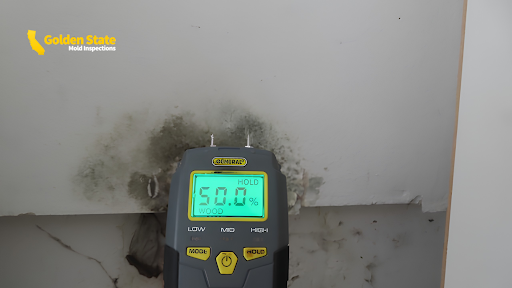
- Moisture meter readings on walls, floors, and ceilings throughout the property
- Air sampling from multiple interior zones and one outdoor baseline sample
- Surface swabs or tape-lift samples from suspect areas and visible growth
- Thermal imaging to locate moisture behind walls and under floors
- HVAC inspection including air handlers, evaporator coils, and accessible ductwork
Each method targets a different aspect of mold activity. Combining them produces a complete picture of contamination across the entire property.
How Air Samples Are Analyzed
Air samples are sent to a third-party accredited laboratory after collection. The lab uses spore trap microscopy or PCR testing to identify mold species and measure concentration levels per cubic meter of air.
Indoor results are compared against outdoor baseline levels taken the same day. Elevated indoor counts indicate active hidden growth even when no visible mold is present. Species like Stachybotrys chartarum appearing indoors but not outdoors strongly indicate a hidden contamination source inside the building structure.
Understanding Your Test Results
Lab results return within 24 to 72 hours of sample submission. The inspector compiles findings into a written report covering affected zones, species identified, spore concentrations, and moisture readings from every area tested.
Key elements in a professional mold test report:
- Indoor vs outdoor spore count comparison broken down by zone
- Species list with contamination level identified per species
- Moisture readings mapped to specific wall, floor, and ceiling locations
- Thermal imaging findings showing active moisture intrusion points
- Recommended remediation scope based on full findings
Remediation without this documentation often results in incomplete removal and recurring growth within months of the original work being completed.
The Difference Between Testing and Remediation
Testing and remediation are separate services performed by separate contractors. A certified inspector identifies what is present and where. A licensed remediation contractor removes contamination based on the inspector’s documented findings.
Hiring the same company to test and remediate creates a conflict of interest. Keeping these services separate protects you from inflated remediation scopes and ensures test results stay fully objective. The EPA recommends this separation for all residential assessments, with full details available through the EPA mold cleanup guidelines.
What Happens After Testing Confirms Mold
Once the report confirms mold presence, remediation planning begins immediately. The inspector’s report outlines which materials require removal, what containment protocols apply, and whether post-remediation clearance testing is needed.
Clearance testing confirms spore counts have returned to normal levels after remediation is complete. This step matters before closing a real estate transaction or submitting an insurance claim. Some lenders and insurers require a passing clearance report before approving financing on a previously affected property.
How to Find the Right Inspector in Los Angeles
Mold inspections near me searches in Los Angeles return providers with varying credentials and equipment. Narrow your options by checking for these qualifications:
- Current ACAC or IAQA certification
- AIHA-accredited third-party laboratory partnership
- Thermal imaging included in the standard inspection
- Written report delivered within 24 hours of inspection
- Availability within 48 hours for water damage situations
Ask about turnaround time for written reports and whether rush lab processing is available. Inspectors who schedule quickly are preferable when water damage is recent.
Moisture evidence changes fast once drying equipment is brought in. Early testing produces far more informative results than testing delayed by several days. Booking within the first 48 hours after water intrusion gives the inspector the clearest possible picture of active contamination sources.
Booking a Certified Mold Test
A certified inspection gives you lab-verified evidence of what is present, where it is located, and what needs to happen next. That documentation protects you during remediation, real estate transactions, and insurance claims.
DIY kits cannot produce this level of detail. They measure surface contamination only and provide no species identification, no spore counts, and no moisture mapping. A professional report is the only starting point that leads to complete and lasting remediation.
Golden State Mold Inspections provides certified mold inspections near me across El Segundo and the greater Los Angeles area using calibrated equipment and third-party accredited labs.

