
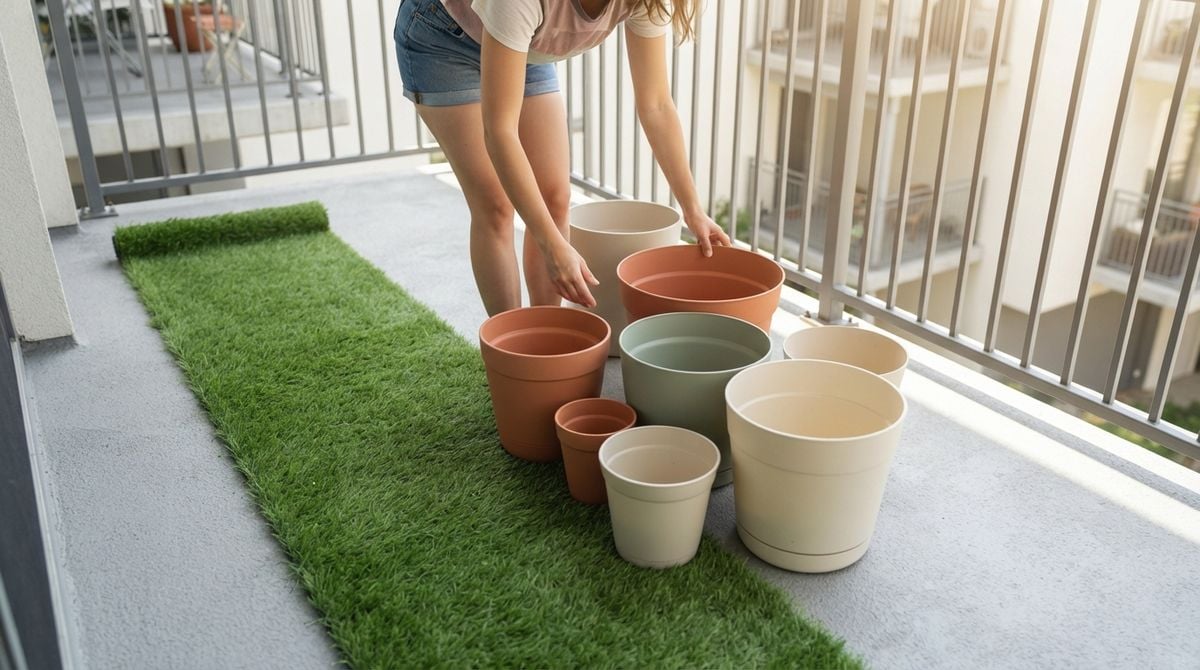
A Monthly Budget for a Small Balcony Garden
A balcony garden can start small and slowly grow into a place you look forward to every evening. It can also quietly drain a household budget when spending is not planned. Pots, compost, seeds, a few tools and the occasional replacement plant add up faster than most people expect. This article explains a simple way to build a monthly budget for a small outdoor space, so that each purchase has a place and nothing arrives as an unpleasant surprise. The method does not need a complicated spreadsheet or a special app. It needs a short list, a realistic limit and a habit of checking the numbers once a month. The aim is calm and steady progress, not perfection.
Start with a short list of categories
Begin by writing down every type of spending that your outdoor space is likely to need. Common groups include containers, soil and compost, seeds or young plants, watering supplies, tools, winter protection and small repairs. Keep the list short, because five or six groups are usually enough for a balcony. A long list with many tiny categories is often abandoned after a few weeks, while a short one stays in use.
Next, decide which categories are essential and which are simply nice to have. Soil and a reliable watering method are essential. A decorative bench is nice to have. Writing this down honestly shows where money can flex when a month is tight, and it stops small treats from pushing out the things the plants truly need.
Turn the list into a monthly limit
Once the categories are clear, give each one a monthly limit. Do not chase a perfect figure. Choose an amount that feels comfortable and that you could keep to in an ordinary month. Many people find it easier to set one limit for the whole outdoor budget first, then divide it across the categories. This keeps the total in view and makes it easier to notice when one area starts taking more than its share. A simple routine helps:
1. Look back over recent months and note what you actually spent on the balcony.
2. Choose a total limit that fits the rest of your budget without strain.
3. Divide that total among your categories, starting with the essentials.
4. Keep a small reserve for surprises, such as a cracked pot or a storm that damages a plant.
5. Write the plan on paper or in a note you will see each month.
Track spending without making it a chore
Tracking does not need to be detailed to be useful. A notebook kept near the back door, or a short note on a phone, can record each purchase with a date and a category. Spend a few minutes at the end of each week adding up the entries. You will soon see patterns, such as a habit of buying single plants on impulse during a visit to a garden centre. That is when a gentle rule, like waiting a week before buying anything that is not on the list, often helps more than a strict budget does.
Many people also keep a short record of what worked. If an inexpensive seed packet grew well, note it. If a costly planter cracked after one winter, note that too. Over time these notes become one of the most useful tools you own, because they show where your money has given good value. Readers may also want to visit Mama hustler.
Plan for seasonal costs
Balcony gardens follow a rhythm. Spring brings seeds and new plants, summer brings more watering and sometimes shade cloth, autumn brings clearing and bulb planting, and winter may require protection for containers. Looking at the whole year prevents the common pattern of spending heavily in one season and then having nothing left when a practical need appears. A useful idea is to set aside a small amount each month in a separate pot of money labelled for seasonal costs. When spring arrives, the money is already waiting.
Think, too, about the value of time. A spare afternoon to repot a crowded container may save the price of a new plant. Keeping tools clean and dry extends their life, which means fewer replacements. None of this requires special skill, only attention. Experienced gardeners often say that good habits save more than cheap purchases do, even though those savings are easy to miss because they appear as things you did not need to buy. You can also visit Pinterst for more reading.
Buy less, buy better, and ask for help when needed
Before any significant purchase, ask whether the item solves a real problem. A self-watering container might prevent losses during a busy fortnight, while a decorative stand may only add clutter. Secondhand planters, cuttings from neighbours and seed swaps can cover many needs at little cost. When you do buy something new, consider how it will serve you across several seasons rather than just one. For a related read on this site, see Combining Debts After Marriage: Questions to Ask Before.
If a larger project appears, such as rebuilding a balcony rail or changing the drainage of a terrace, get more than one written quote and read each carefully. Ask what is included, how long the work will take and what happens if something goes wrong. For matters involving property rules, safety or structural work, a qualified professional should give the final advice. This article offers general information only, and your own circumstances matter a great deal. A small outdoor budget works best when it is simple, visible and reviewed regularly. Write the categories, set a realistic limit, track gently and plan for the seasons. Over a year these steps make the balcony more enjoyable and far less stressful, because every plant and pot has been chosen with intention rather than impulse.

