
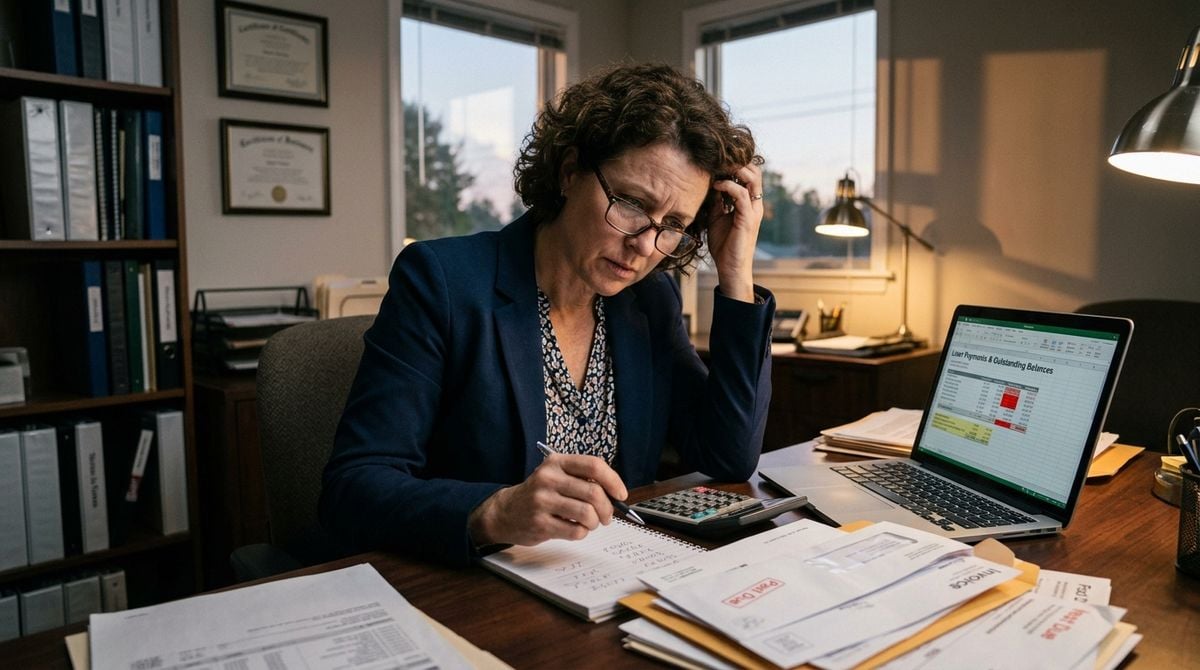
Combining Debts After Marriage: Questions to Ask Before You Merge Anything
Newly married couples often discover that they bring different financial histories into their partnership. One partner may have a student loan, a car payment, or a credit card balance, while the other has little debt or a different repayment schedule. Marriage does not automatically merge those obligations, and the way you handle existing debt can shape your household for years. This article explains the questions to ask before you combine any debts, how to gather accurate information, and where to find qualified advice. It is general information only, and the rules that apply to debts vary by location and by the type of loan.
Gather the full picture first
Start by listing every debt each of you holds. Include the lender, the type of debt, the current balance, the interest arrangement, the monthly payment, and the expected end date. Also note any co-signed loans or accounts where one partner is an authorized user. Many couples are surprised by what they discover when everything is written in one place. Gathering the information together, rather than asking one partner to report on the other, builds trust and makes the next steps much simpler. Keep the list updated as balances change, so the picture stays accurate.
Understand which debts are individual and which are shared
Being married does not automatically make each partner responsible for the other’s pre-existing personal debts. Whether a debt becomes shared depends on how it was taken out, where you live, and what you sign later. A debt in one name usually stays with that person, but a joint application, a co-signature, or shared use of certain accounts can change the picture. Before you assume anything, ask a qualified professional to explain how the rules apply to your situation, especially if the debt is large or relates to a business.
Compare the costs of different approaches
Couples often consider several approaches, such as keeping debts separate, paying them off in a planned order, or combining them through a new loan. Each option has trade-offs. Keeping debts separate may preserve clarity but leave one partner carrying more stress. Combining debts may simplify payments but can change interest terms, fees, or the security attached to a loan. Compare the total costs, the time required, and the risks on paper. Readers may also want to visit lpqueen.com. Be cautious of any offer that sounds too good to be true, and read every term before signing anything. If an offer is urgent, that is a reason to slow down rather than speed up.
Agree on a repayment plan you both can follow
Whatever approach you choose, write down a repayment plan. State how much each partner will contribute, which debt will be prioritized, and how progress will be checked. A plan that depends on a vague promise often fails when expenses rise. Some couples find it helpful to pay minimum amounts on every debt and direct any extra money to one chosen balance, though the best order depends on your interest rates and other factors. Keeping a shared record of payments can make the progress visible to both of you. You can also visit Uniquely Women for more reading.
Protect your future borrowing
Debt decisions affect future applications for housing, vehicles, and other loans. Lenders may consider both partners’ records when they assess a joint application, even when only one person is named on a particular account. This is why an honest discussion before any application can save time and disappointment. Before you apply for anything new together, check each partner’s credit report for accuracy and discuss how a recent decision might affect the other. For a related read on this site, see A Post-Trip Inbox Triage Routine for Busy Owners.
The following questions are a good starting point for your first meeting about debts:
- Which debts are in my name alone, and which are in both names?
- Which debts carry the highest interest or the strictest terms?
- Who will manage the payments, and how will we check progress?
- What would we do if one of us lost income for several months?
- Which professional should we consult before making any changes?
Finally, remember that debt is a practical matter but also an emotional one. Some people feel shame about money they owe, while others feel anxious about a partner’s past decisions. Approaching the topic with patience and curiosity makes it easier to find a plan you both can live with. Consider speaking with a qualified financial counsellor if the conversation becomes difficult or the amounts feel overwhelming. Clear facts and a shared plan are often the best foundation for a secure start.