
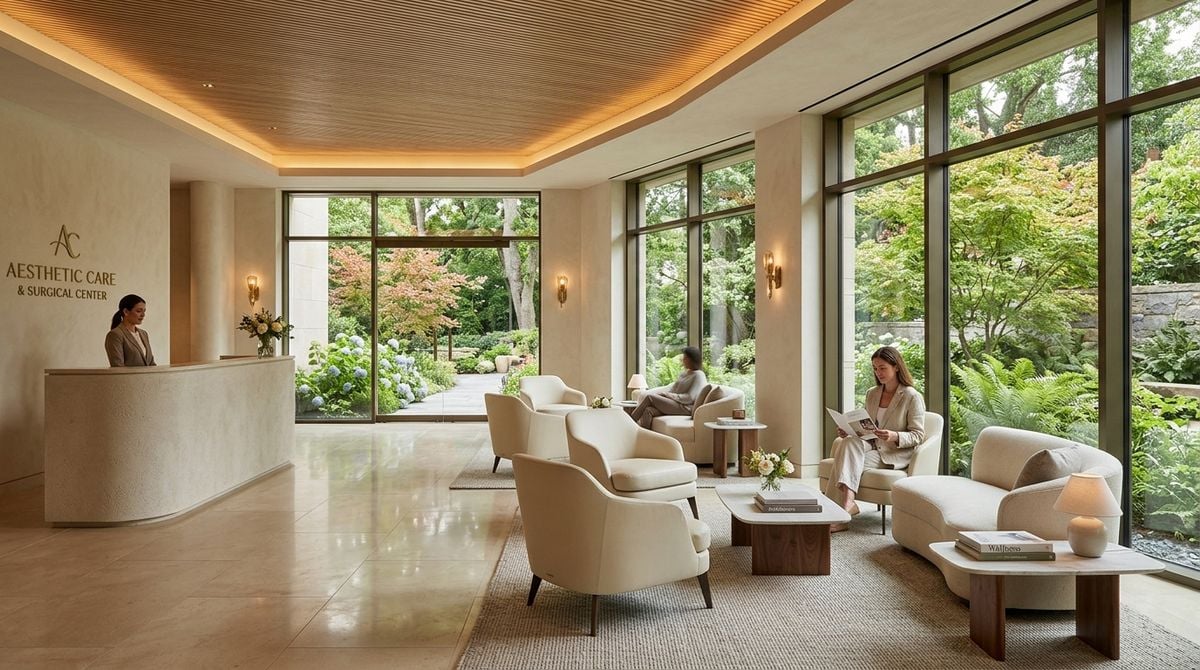
Designing a Customer Waiting Area That Feels Cared For, Not Crowded
The First Impression That Waiting Creates
Every business that asks customers to wait, whether it is a salon, a repair shop, a clinic, or a small office, has a waiting area that shapes how people feel. Even a short wait can seem long if the space is cold, cluttered, or confusing. A thoughtful waiting area sends a clear message that the customer’s time matters, and that message can influence how the whole visit is remembered.
The aim is not to create a luxury lounge. Instead, focus on comfort, clarity, and calm. Seats should be easy to get in and out of, lighting should be soft but sufficient to read by, and the entrance should make it obvious where to check in. These basic elements matter far more than expensive furniture or decorative extras.
Start by walking through the space as a customer would. Notice what you see first, where you would naturally sit, and what questions arise in your mind. Small frustrations, such as a missing sign or a blocked path, often reveal the most useful improvements.
Seating, Light, and Comfortable Space
Seating should suit a range of people. Include a mix of chairs with arms, firm seats that are easy to rise from, and a few spaces for people using wheelchairs or pushchairs. Leave enough room between the seats for people to move freely without bumping into each other. Comfortable seating is one of the simplest ways to make a waiting area feel welcoming.
Lighting and temperature matter as well. Bright, harsh lights can feel tiring, while very dim areas can make customers feel uneasy. Aim for a warm, even light that makes reading easy. Keep the room at a comfortable temperature, and consider a small fan or a heater in the corner if the space is often too hot or too cold. Readers may also want to visit Internet Chicks Worth.
Sound also shapes comfort. A quiet, steady background sound can help customers relax, while loud conversations or constant announcements can add stress. Keep any radio or music at a low and pleasant volume, and avoid playing anything that might be disliked by most visitors.
Keeping the Space Clean and Organised
Cleanliness is a powerful signal of care. Wipe tables and chairs throughout the day, empty bins before they overflow, and check the floor for spills or dropped items. Customers notice when a space is kept tidy, and they often assume that the business is careful in other areas too. A simple cleaning schedule, displayed discreetly, helps staff keep the area in good order.
Clutter is equally important. Magazines and leaflets should be neatly arranged and replaced regularly, and old notices should be removed promptly. Keep the reception desk clear so that customers can see the staff member easily. You can also visit tnt-news.com for more reading.
Provide small comforts without overwhelming the space. A water dispenser, a basket of tissues, or a rack for coats and bags can make a visit more pleasant, provided they are kept tidy and refilled regularly. Each addition should serve a clear purpose.
Information, Signs, and Staff Presence
Clear signs reduce anxiety. Customers should know where to check in, how long the wait is likely to be, and where to find the toilet or a drinking water point. Use large, simple lettering and place signs at eye level. If the wait is longer than expected, a short update from a member of staff can make a significant difference to how people feel.
Staff presence matters too. A friendly greeting from a team member, even if the queue is long, reassures customers that they have not been forgotten. Train staff to make brief, honest updates, and to acknowledge people who have been waiting for a while. A warm smile and a clear explanation often help customers accept delays with better grace.
For a related read on this site, see Planning a Festival Week Rush Before the Crowds. Walking through the checklist every few months can reveal small problems before they become complaints, and it helps the whole team focus on the same standards.
Reviewing the Space Regularly
Look at the waiting area from time to time with fresh eyes. Ask a colleague or a trusted customer for honest feedback, and invite them to suggest one improvement they would prioritise. Small changes made over time often have a bigger impact than a single expensive renovation.
Consider a simple checklist for regular reviews:
- Check that every seat is clean, stable, and comfortable to sit in
- Confirm that signs are readable, current, and placed at a sensible height
- Ensure the lighting is even and the temperature is pleasant
- Remove any clutter, old leaflets, or out-of-date notices
- Ask staff what visitors most often comment on, and act on one suggestion
A waiting area that feels cared for does not need to be grand. It needs to be clear, clean, and comfortable, with staff who make people feel expected and valued. Those qualities turn a delay into a moment of reassurance.

