
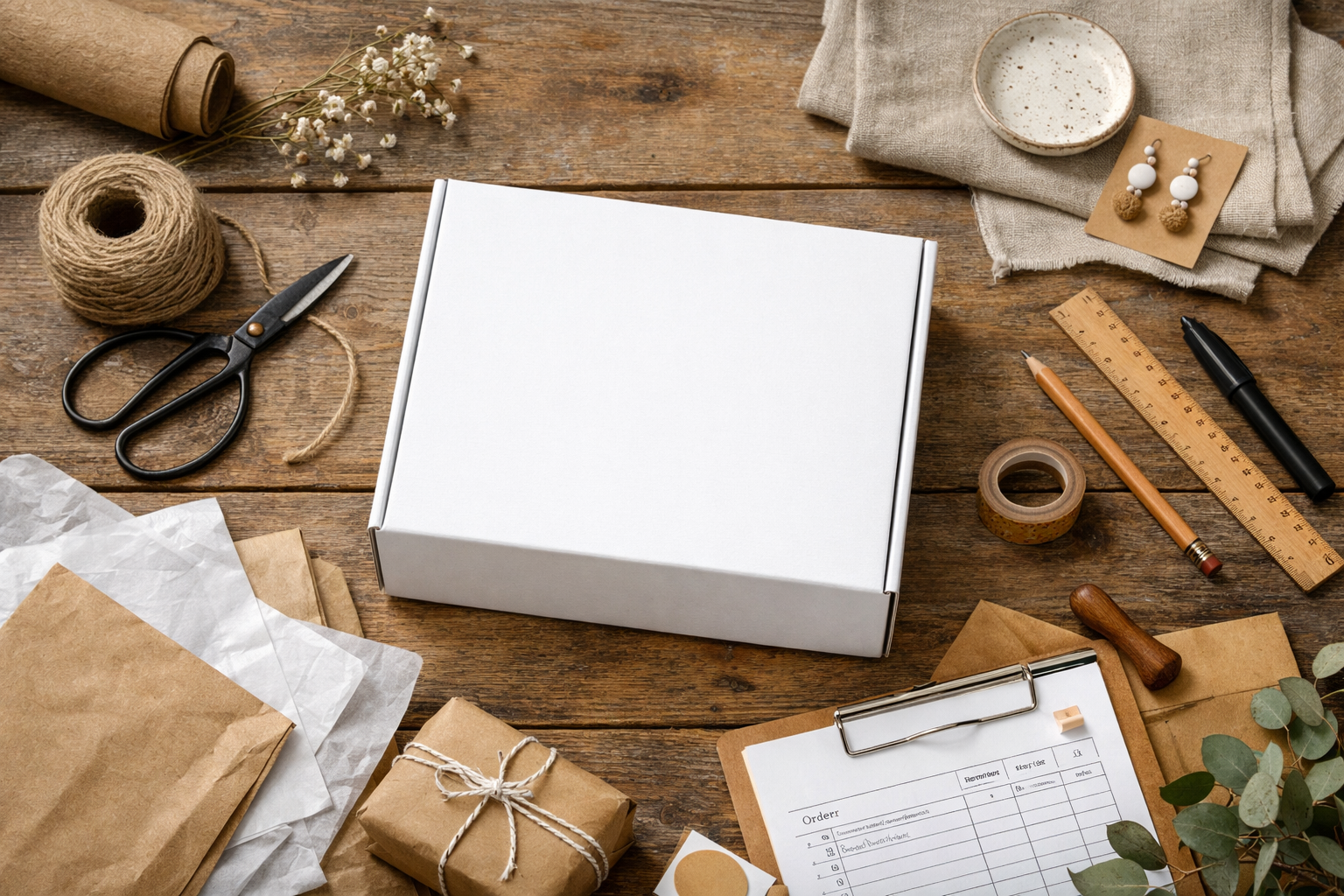
Can a White Cardboard Box Improve Shelf-ready Presentation on Tight Margins?
Key Takeaways
- Choose a white cardboard box by total packed-order cost, not unit price alone; the right dimensions can cut filler, lower shipping charges, and free up storage space at the packing table.
- Match the white cardboard box style to the product weight and finish: folding boxes suit lighter shelf-ready items, while corrugated boxes hold up better for shipping fragile handmade goods.
- Limit box inventory to two or three core measurements instead of stocking extra boxes in every size; that keeps bulk packaging simpler and reduces dead space in small studios.
- Test labels, stamps, handwritten notes, and decorative wraps on a white cardboard box before ordering custom runs, because surface texture and board type change how clean the final presentation looks.
- Avoid oversized boxes like 20x20x20 unless the product truly needs them; too much empty space raises cardboard use, plastic fill, postage, and handling time on tight margins.
- Order samples and run a real pack test with your product, inserts, and shipping method so the white cardboard box looks shelf-ready, closes fast, and arrives without crushed corners.
Packaging costs don’t usually wreck margins all at once—they do it a few cents at a time. For handmade sellers, a white cardboard box can change how a product looks on arrival and on a retail shelf, yet the real question isn’t style. It’s whether that cleaner finish earns its keep through better presentation, tighter sizing, and fewer add-ons at the packing table.
In practice, that’s where the buying decision gets real. A white exterior photographs better, takes labels cleanly, and often needs less decorative wrap to look finished (which matters more than most makers think). But if the dimensions are off by even an inch or two, shipping costs climb, filler use creeps up, and stacks of empty boxes start eating storage space. Tight-margin brands don’t need anything fancy—they need boxes that look polished, pack fast, and don’t waste money every time an order goes out the door.
Why the white cardboard box is getting more attention from handmade brands
Presentation moves price perception.
Tight margins usually push makers toward kraft, but that choice can mute color, labels, and shelf appeal. The faster answer is a white cardboard box: it looks cleaner, photographs better, and makes small-batch packaging feel more finished without adding inserts, foil, or extra decorative parts.
How a white cardboard box changes first impressions faster than kraft packaging
For handmade skincare, candles, card sets, or booster packs, a white surface shows product notes, measurements, and branding with more contrast. In practice, white cardboard boxes also hide ink shift better than rough kraft texture, which matters when a maker stamps 50 units by hand in one afternoon. And for shipping, white shipping boxes keep that cleaner look from packing table to customer doorstep.
Where white cardboard boxes fit in shelf-ready presentation for small product lines
Small product lines need packaging that can sit open on a market table, stack in medium or large cartons, and still work for shipping. That’s where custom white boxes earn attention—they support short runs, cleaner sizing, and better box-sizing choices for products with extra labels or insulated wraps.
- Best fit: soaps, jars, round tins, folded apparel, bike accessories
- Better shelf read: brighter labels, clearer dimensions, less visual clutter
The difference between paperboard and corrugated white cardboard box options
Paperboard suits lighter retail packaging. Corrugated suits shipping and bulk orders. The honest split is simple: choose paperboard for display, choose corrugated for protection—especially if the goal is premium unboxing with shipping mailer boxes and fewer crushed corners in transit.
How to buy a white cardboard box when the search intent is transactional
Wondering if a white cardboard box is worth paying a little more for? Usually, yes—if the seller cares about shelf-ready presentation, cleaner labels, and fewer packing workarounds. For handmade brands, white cardboard boxes tend to photograph better than kraft, look less decorative and more product-ready, and still work for shipping.
What to check before ordering white cardboard boxes in bulk or small runs
Start with the boring stuff. It saves money.
- Board type: corrugated works better for shipping; thinner cardboard suits light retail product packing.
- Order size: small runs help a maker test texture, pricing, and open-and-close speed before buying bulk.
In practice, sellers choosing white cardboard boxes should ask for exact measurements, bundle counts, and whether tops arrive flat or pre-folded (it changes storage more than people expect).
How dimensions, box-sizing, and measurements affect shipping cost and storage space
A half-inch matters. A box sized at 8x6x2 instead of extra space plus filler can cut packaging waste — lower shipping cost, while cleaner box-sizing also means more units fit on one shelf. For a medium product line, even one oversized carton can eat up storage space fast—20x20x20 boxes are the obvious example, but smaller boxes cause the same problem if dimensions drift.
When custom white cardboard boxes make sense for low-volume makers
Custom isn’t always the smart first move. But custom white boxes make sense once a seller has one repeat product size, stable shipping patterns, and a clear insert or label system. That’s where premium unboxing with shipping mailer boxes starts to pay off—not as a luxury, but as a workflow choice.
What white cardboard box specs matter most for shipping, labeling, and daily packing
Roughly 1 inch of wasted box space can raise filler use and bump shipping pricing faster than most sellers expect. For handmade brands packing 20, 50, or 200 orders a week, the right white cardboard box is less about looks and more about dimensions, texture, speed, and clean labeling. That’s why custom white boxes often make more sense than grabbing whatever medium or large cardboard boxes are on hand.
Choosing corrugated or folding cardboard boxes based on product weight and texture
Start with weight. Corrugated white cardboard boxes work better for candles, mugs, booster packs, bike parts, and anything insulated or fragile; folding cardboard fits lighter product like card sets, notes, or small decorative maker goods. A simple rule:
- E-flute or folding styles for lighter items under 1 lb
- B-flute corrugated for medium orders up to 5 lbs
- Extra strength walls for bulk shipping or larger measurements like 20x20x20
Open tops, tuck tops, mailers, and other white box styles that speed up packing
Open tops suit bins and back-stock. Tuck tops move faster at the table. Mailers usually win for ecommerce—especially premium unboxing with shipping mailer boxes—because they close cleanly and stack well during daily packaging runs.
How white surfaces handle stamps, product labels, handwritten notes, and decorative wraps
White surfaces show black stamps, small product labels, and handwritten thank-you notes better than kraft or plastic. In practice, white shipping boxes also photograph cleaner, hide less junk, and make custom wraps or round stickers look intentional—not useless, not rushed, just easier to open and pack.
Tight margins change the math on white cardboard packaging
A candle maker ships 40 orders a week from a spare room. She switches from mixed leftover boxes to one white cardboard box size for her best-selling set, and the packing table gets faster almost overnight. That’s the real math: packaging cost isn’t just unit pricing. It’s labor, filler, postage, and shelf space too.
Unit pricing versus total packed-order cost for small, medium, and large box orders
Small runs often look expensive per piece, but total packed-order cost can still drop if the fit is right. For handmade brands, premium unboxing with shipping mailer boxes only makes sense if assembly stays quick and dimensions match the product.
Medium orders are usually the break point where white shipping boxes start beating generic mixed boxes on consistency, label placement, and storage. At larger counts, white cardboard boxes also help standardize box-sizing and reorder notes for the maker handling daily shipping.
How oversized boxes like 20x20x20 raise filler use, postage, and storage waste
A 20x20x20 carton sounds flexible. It usually isn’t. Oversized cardboard boxes raise corrugated use, invite extra plastic or paper fill, and can push a light product into higher shipping pricing tiers.
- More empty space means more filler
- More volume means higher postage
- Large boxes eat storage fast
Why replacing extra plastic fill with better-fit cardboard boxes can protect margin
Better-fit custom white boxes cut waste at the source — that matters more than shaving a few cents off unit cost. In practice, a snug white cardboard box often protects decorative, round, small, or medium product orders with less junk.in the pack area, fewer useless void fillers, and cleaner shelf-ready packaging with open tops or closed mailer styles.
A smarter white cardboard box strategy for Etsy makers and artisan fulfillment tables
Think of it like a packing table chat over coffee: the smart move isn’t stocking anything and everything, it’s picking a tight set of sizes that covers most orders with less dead space, lower shipping cost, and a cleaner shelf look. For handmade sellers, one white cardboard box can do double duty as retail-ready packaging and mail prep if the measurements are right and the corrugated board isn’t flimsy.
Building a short list of two or three box dimensions instead of stocking anything and everything
In practice, most small maker brands can work with just two or three dimensions:
- Small for jewelry, candles, soap, cards
- Medium for mugs, kits, folded textiles
- Large only for gift sets or multi-product orders
White cardboard boxes tend to photograph better on shelves — packing benches, and white shipping boxes also make labels, notes, and product stickers easier to read.
Using samples and test packs to check crush resistance, shelf look, and shipping performance
Before buying bulk, test 10 to 25 empty samples. Check box-sizing, texture, open-and-close wear, and whether tops stay square after tape. A seller comparing custom white boxes should pack a real product, stack five high, and run one rough shipping test—one drop, one overnight hold, one return-trip check.
Sources to review when comparing packaging rules, recycled material claims, and mailing standards
For mailing standards and recycled claims, review USPS size rules, Postal Explorer, UPS packing guidance, FedEx packaging standards, FTC Green Guides, and EPA recycling basics. That homework matters if a maker wants premium unboxing with shipping mailer boxes without drifting into plastic-heavy packaging or weak cardboard.
Frequently Asked Questions
Where can people get free cardboard boxes from?
Free boxes usually come from grocery stores, bookstores, liquor stores, community giveaway groups, or neighbors who just moved. For a white cardboard box, free options are much harder to find because white boxes are usually bought for cleaner presentation, product packaging, or gift-ready shipping rather than casual reuse.
Are the white USPS boxes free?
Some postal service Priority Mail boxes are free, but they can only be used with that mail class. They also come with postal branding, so they aren’t the same thing as a plain white cardboard box for custom packaging, labels, or branded order packing.
What do people call white cardboard?
It depends on the material. A white cardboard box might be made from white corrugated cardboard for shipping, or from paperboard like SBS for retail packaging, folded card cartons, and lighter product boxes. The name should match the thickness, texture, and use case.
Where is the cheapest place to buy boxes?
The cheapest option usually isn’t the lowest unit price on the page. Realistically, total cost comes from box pricing, case quantity, shipping, storage space, and how often a seller has to reorder. For Etsy shops and maker brands, buying white cardboard boxes in bulk often beats grabbing small packs one order at a time.
Is a white cardboard box good for shipping handmade products?
Yes—if the box is the right size and board strength. White corrugated boxes work well for candles, soaps, skincare sets, stationery, and folded apparel because they look clean on arrival and take labels, stamps, and stickers better than darker surfaces.
What size white cardboard box should a seller choose?
A box that’s too large drives up shipping cost and filler use, while one that’s too tight can crush corners or damage the product during packing. In practice, keeping two or three core dimensions covers most small and medium handmade orders.
Experience makes this obvious. Theory doesn’t.
Can a white cardboard box be custom printed?
Yes, and that’s one reason sellers switch from plain kraft. A white cardboard box gives better print contrast for logos, notes, line art, and product information—especially black ink or full-color work—and it also photographs better for product shots and unboxing content.
Are white cardboard boxes better than plastic mailers?
For fragile or gift-style orders, yes. Boxes protect shape, stack better in storage, and feel more polished, while plastic mailers make sense for soft goods that don’t need rigid walls. If presentation matters, a white cardboard box usually wins fast.
Do white boxes get dirty too easily in a packing setup?
They can, especially on shared tables or in garage workspaces. But that’s usually a handling issue, not a box problem—clean hands, a clear packing surface, and keeping stock wrapped until needed solves most of it.
Should a small shop order white cardboard boxes in bulk or small batches?
Small batches make sense for a new product launch or a size test. Once order volume is steady, bulk purchasing cuts the per-box cost and reduces midweek supply problems—just make sure the boxes fit your shelves, packing station, or back-stock area before ordering extra cases.
For handmade sellers watching every dollar, packaging decisions can’t live in the branding bucket alone. They belong at the packing table, on the storage shelf, and in the postage math. A white cardboard box earns its place when it gives a cleaner shelf presence, holds labels and stamps well, and keeps the product fit tight enough to cut down on filler and wasted space. That’s where margin protection starts—not with the cheapest unit price, but with the packed-order cost from box to tape to postage.
And the smartest move usually isn’t stocking ten sizes.
Corrugated or folding carton, tuck top or mailer, each choice affects speed, storage, and how polished the order looks the moment it lands in a customer’s hands.
The next step is simple: pull the top three products by order volume, measure each one with its wrap or insert, order sample boxes in the closest sizes, and run a one-week packing test before placing a larger order.
For more, check out Patent Application Backlogs in 2026: What the Latest USPTO Data Shows.

