
Why Kingsley And Company Prioritizes Ethical and Sustainable Real Estate Development
Real estate development decisions can influence neighborhoods for decades, affecting housing accessibility, commercial activity, infrastructure use, and long-term community stability. In redevelopment markets where underinvestment has persisted for years, development strategies are often evaluated not only by construction outcomes but also by how projects perform operationally over time. Kingsley And Company, a minority-owned commercial real estate investment and development firm based in Cincinnati, Ohio, approaches redevelopment through a framework centered on sustainability, operational accountability, and ethical community investment.
As redevelopment activity continues across Cincinnati, conversations surrounding affordable housing, mixed-use growth, and neighborhood revitalization increasingly focus on how projects can support both economic performance and long-term community functionality. Through projects such as Victory Vistas, Kingsley And Company emphasizes redevelopment strategies intended to balance commercial viability with sustainable neighborhood integration.
Ethical Development and Long-Term Community Planning
Ethical development in commercial real estate extends beyond regulatory compliance or construction delivery. In many redevelopment environments, long-term project performance is influenced by decisions related to sustainability, tenant usability, affordability considerations, and ongoing operational management.
Across urban redevelopment markets, communities are increasingly evaluating projects based on whether developments remain functional and accessible after completion rather than solely on short-term investment activity. In underserved areas, those expectations can become especially important where redevelopment projects may influence future neighborhood confidence and broader investment momentum.
The ethical redevelopment philosophy associated with Kingsley And Company emphasizes evaluating long-term operational impact during the earliest planning stages of redevelopment. Site selection, design coordination, sustainability planning, and asset management considerations are integrated into the redevelopment process from the outset rather than treated as isolated phases.
This approach reflects broader industry recognition that redevelopment success is often determined by long-term operational stability as much as by construction itself.
Sustainability as an Operational Strategy
Sustainability planning has become an increasingly important component of commercial redevelopment as developers and municipalities place greater emphasis on operational efficiency, lifecycle durability, and long-term property functionality.
Kingsley And Company approaches sustainability as part of broader redevelopment planning rather than a standalone branding initiative. Operational efficiency, maintenance expectations, material durability, and long-term usability are evaluated throughout project development to help support continued property performance after completion.
For mixed-use and affordable redevelopment projects, sustainability planning can also influence long-term occupancy stability and operational affordability. Buildings designed for manageable maintenance requirements and long-term efficiency may contribute to stronger tenant retention and more sustainable operating conditions over time.
Kingsley And Company’s sustainability planning approach incorporates these considerations as part of the redevelopment framework used across projects such as Victory Vistas and other community-oriented developments.
As redevelopment conversations continue evolving across Cincinnati and similar urban markets, sustainability strategies increasingly intersect with broader discussions surrounding affordability, neighborhood continuity, and responsible investment planning.
Chinedum Ndukwe’s Perspective on Ethical Redevelopment
Chinedum Ndukwe, founder of Kingsley And Company, has emphasized redevelopment strategies connected to equitable growth, operational stewardship, and responsible urban investment. As redevelopment pressures continue affecting housing accessibility and neighborhood stability in many urban markets, development models increasingly require coordination among investors, community stakeholders, and redevelopment professionals capable of supporting long-term project viability.
This broader redevelopment environment has increased attention on planning structures that prioritize operational continuity and sustainable neighborhood integration rather than short-term construction outcomes alone.
Community-centered investment strategies connected to Kingsley And Company reflect this emphasis on collaborative redevelopment planning. The firm’s approach incorporates coordination among investors, redevelopment professionals, local stakeholders, and operational partners throughout multiple stages of project execution.
In redevelopment environments where financing complexity and investment risk can affect underserved communities disproportionately, these collaborative structures may influence whether projects remain sustainable and accessible over time.
Victory Vistas and Sustainable Mixed-Use Development
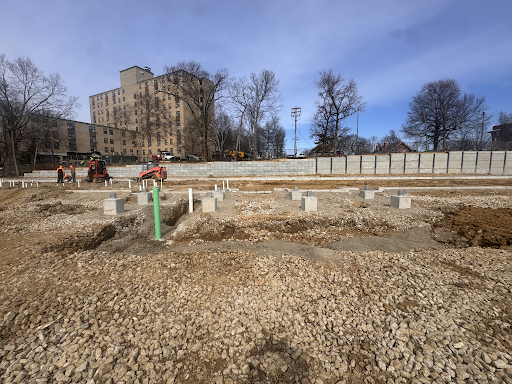
Victory Vistas represents a redevelopment strategy centered on affordable mixed-use planning and long-term neighborhood functionality. Mixed-use redevelopment projects can contribute to broader community stability by integrating residential and commercial activity within the same development environment while supporting localized business activity and sustained property activation.
In Cincinnati redevelopment markets where neighborhoods continue balancing reinvestment opportunities with housing accessibility pressures, mixed-use projects are often evaluated according to how effectively they support long-term occupancy, operational continuity, and community usability.
Kingsley And Company approaches projects such as Victory Vistas through planning structures intended to support sustainable neighborhood integration rather than isolated short-term redevelopment cycles.
The project also reflects broader redevelopment conversations surrounding affordable housing accessibility and equitable investment in historically underserved communities. Across many urban markets, developers increasingly face pressure to balance financial performance with operational durability, sustainability planning, and community-oriented redevelopment goals.
Victory Vistas aligns with this larger redevelopment landscape by emphasizing long-term property functionality and responsible urban investment planning.
Financing Structures and Responsible Investment Coordination
Redevelopment projects in underserved urban markets frequently involve more layered financing structures than conventional market-rate developments. Traditional underwriting models often rely heavily on established comparables and historical investment patterns, creating additional complexity for projects located in communities experiencing uneven redevelopment activity.
As a result, redevelopment initiatives may require coordination among investors, municipal stakeholders, development professionals, and community organizations to align financing strategies with long-term operational goals.
Kingsley And Company incorporates financing coordination, redevelopment planning, sustainability integration, leasing oversight, and asset management into a connected redevelopment framework intended to support long-term project viability.
The redevelopment framework used by Kingsley And Company also reflects the growing role of strategic collaboration within urban redevelopment environments. In many cities, mixed-use and affordable redevelopment projects increasingly depend on partnerships capable of supporting both financial sustainability and long-term neighborhood continuity.
These collaborative planning structures can influence redevelopment feasibility, operational durability, and broader investment confidence within underserved communities over time.
Asset Management and Long-Term Neighborhood Stability
The long-term impact of redevelopment projects is often determined after construction concludes. Properties that remain operationally stable, well-maintained, and economically functional are generally better positioned to support surrounding neighborhood continuity and sustained occupancy.
Kingsley And Company maintains involvement across redevelopment phases that include acquisition planning, redevelopment coordination, leasing oversight, sustainability integration, and long-term asset management. This operational continuity reinforces redevelopment strategies intended to support lasting community functionality rather than short-term development cycles alone.
Leasing strategy, maintenance planning, tenant usability, and long-term operational oversight all contribute to whether redevelopment projects remain aligned with their original planning objectives over time.
As redevelopment activity continues across Cincinnati and other urban markets, projects capable of balancing sustainability, affordability considerations, and operational accountability may play an increasingly important role in shaping long-term neighborhood investment patterns.
About Kingsley And Company
Kingsley Consulting DBA Kingsley And Company is a minority-owned commercial real estate investment and development firm based in Cincinnati, Ohio. Founded by Chinedum Ndukwe, the firm specializes in redevelopment planning, investment financing, leasing, sustainability integration, and long-term asset management across commercial real estate projects.
The company focuses on redevelopment strategies intended to support underserved communities through collaborative planning, operational accountability, and long-term neighborhood investment. Kingsley And Company’s approach to responsible urban development reflects the firm’s emphasis on sustainable growth and ethical redevelopment planning.

